Telltale Games History: The Walking Dead, Collapse and Revival
How ex-LucasArts developers built Telltale, struck gold with The Walking Dead, collapsed in 2018 and returned under LCG Entertainment.
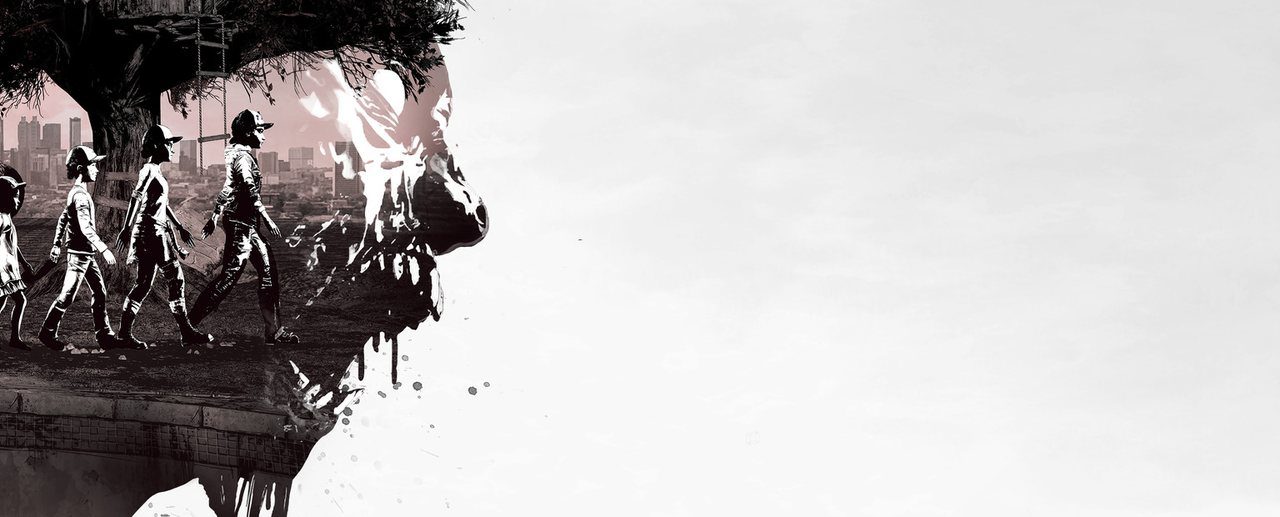
Few studios have risen and fallen as dramatically as Telltale Games. Founded by veterans of LucasArts’ adventure era, it spent years making modest episodic games before The Walking Dead turned it into one of the most talked-about developers in the world. Six years later, most of the studio was gone. The name lives on under new owners, who as of October 2026 are preparing the long-awaited The Wolf Among Us 2.
This history covers the studio’s founding, its episodic model, its breakthrough, its closure and its revival, sticking to documented events.
Founding: LucasArts veterans go independent (2004)
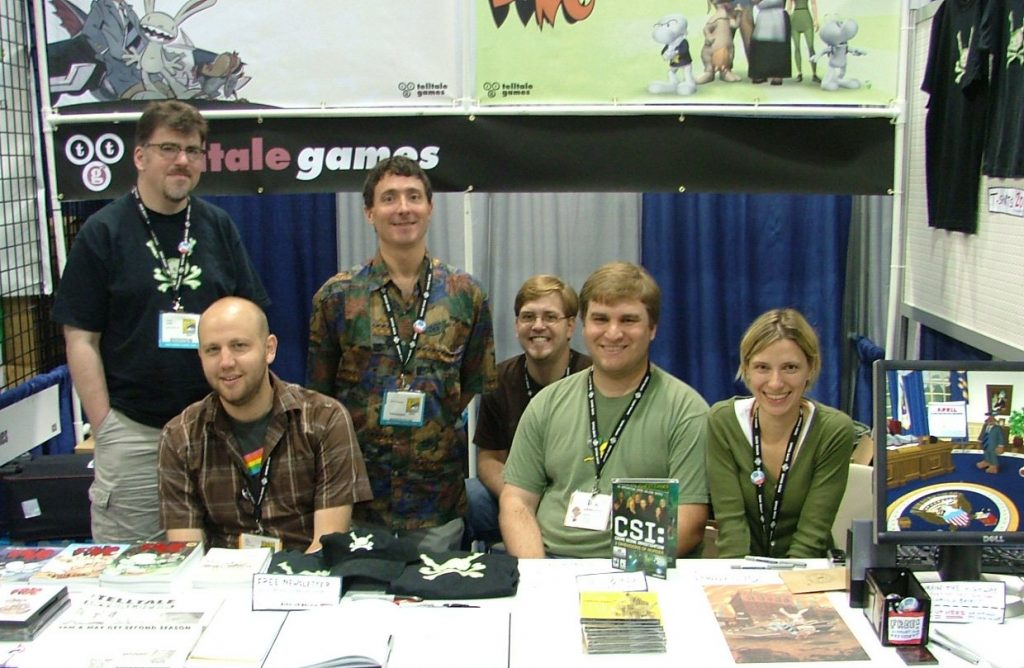
Telltale was founded in July 2004 in San Rafael, California, by Kevin Bruner, Dan Connors and Troy Molander, all former LucasArts developers. The timing was no accident: LucasArts had moved away from most adventure game development, and the founders believed there was still an audience for story-driven games. (For the era they came from, see our guide to point-and-click adventures.)
The studio’s earliest releases were small: Telltale Texas Hold’em (2005), episodic adventures based on Jeff Smith’s comic Bone, and a series of CSI games for Ubisoft. The project that proved the company’s approach was Sam & Max Save the World, starting in 2006, an episodic revival of the comedy duo who had starred in a LucasArts adventure in the 1990s.
The episodic model
Telltale’s business model was distinctive. Instead of releasing one large game, it split each “season” into episodes, usually five, released over months. This offered several advantages:
- Lower upfront costs: episodes could be built and sold while later chapters were still in development.
- Ongoing attention: each episode was a new release, keeping players and press talking.
- TV-like storytelling: cliffhangers and recaps fit licensed properties drawn from comics, film and television.
The model also had costs. Tight schedules left little room for polish, and the studio’s in-house engine, the Telltale Tool, became associated with bugs and performance problems in later years.
Before its breakthrough, Telltale built relationships with major license holders. Tales of Monkey Island (2009), a five-episode series released between July and December 2009, was described as the first collaboration between Telltale and LucasArts; LucasArts approved the script, concept art and puzzles. Its design director was Dave Grossman, co-designer of the first two Monkey Island games. Licenses for Back to the Future, Jurassic Park and Law & Order followed.
The breakthrough: The Walking Dead (2012)
The Walking Dead, based on Robert Kirkman’s comic series, debuted with Episode 1, “A New Day”, on April 24, 2012, and concluded with Episode 5, “No Time Left”, in November 2012. Players control Lee Everett, a convicted criminal who becomes the guardian of a young girl, Clementine, during a zombie outbreak in Georgia.
The game moved away from traditional adventure puzzles toward conversation and consequence. Dialogue choices were often timed, and staying silent was itself an option that other characters reacted to. A notification system told players when a character had noticed their decisions. The emphasis was on hard moral choices and the relationship between Lee and Clementine.
It was a phenomenon. The game won numerous Game of the Year awards, including from USA Today, Wired, GamesRadar+ and Destructoid, as well as Game of the Year at the Spike Video Game Awards and Best Narrative at the Game Developers Choice Awards. It popularized the choice-driven storytelling format that came to define Telltale; our guide to interactive drama games explains how that format works.
The boom years: The Wolf Among Us and beyond
Telltale’s next original season was The Wolf Among Us, based on Bill Willingham’s Fables comics. Its first episode, “Faith”, launched on October 11, 2013, and the final episode, “Cry Wolf”, followed on July 8, 2014. A prequel to the comics, it casts players as Bigby Wolf, the former Big Bad Wolf and now sheriff of Fabletown, a hidden community of fairy-tale characters in New York City, investigating a series of murders. Critics praised its story and faithfulness to the source material, though some noted pacing and technical issues. Its noir mystery and distinctive look made it a fan favorite, and demand for a sequel began almost immediately.
The studio expanded rapidly, signing more and more licenses: Tales from the Borderlands, Game of Thrones, Minecraft: Story Mode, Batman and Guardians of the Galaxy, plus further Walking Dead seasons. Tales from the Borderlands in particular was widely praised for its comedy and characters.
But the pace took its toll. Reports described crunch culture, frequent rewrites and an aging engine, all of which hurt morale and, critics felt, the quality of later releases. Many players also grew weary of a formula that seemed to change little from series to series.
Decline and collapse (2017-2018)
The cracks became public in 2017. In March, co-founder Kevin Bruner stepped down as CEO and was replaced by Pete Hawley. In November 2017, Telltale cut about 90 positions, roughly a quarter of its staff. In 2018 it announced a deal to bring Minecraft: Story Mode to Netflix and was developing a Stranger Things game.
Then, on September 21, 2018, Telltale announced a “majority studio closure” after its last major investor pulled out. Around 25 staff stayed on temporarily, and the company entered assignment, a process for winding down its business and selling assets, on October 11, 2018. A class-action lawsuit was filed over the lack of notice to laid-off employees.
The closure left The Walking Dead: The Final Season unfinished. Skybound, the company co-founded by Robert Kirkman, stepped in to complete Clementine’s story, allowing the saga that made Telltale famous to reach its ending.
Revival under LCG Entertainment (2019 onward)
The Telltale name did not disappear. LCG Entertainment, incorporated on December 27, 2018, acquired many of the original company’s assets, and by August 2019 it was operating as Telltale Games, led by CEO Jamie Ottilie and chief revenue officer Brian Waddle. By 2022, about half of its staff were former Telltale employees.
The revived studio’s first steps were cautious. In December 2019 it re-released its Batman series as Batman: The Telltale Series – Shadows Edition, which added a noir visual filter. Its first new game was The Expanse: A Telltale Series, co-developed with Deck Nine and released episodically between July and September 2023, followed by a bonus episode, Archangel, in November 2023. A Nintendo Switch version arrived in April 2026.
The company also faced turbulence. It raised $8 million from Hiro Capital and Skybound in February 2023, acquired the interactive film studio Flavourworks in August 2023, and confirmed layoffs in October 2023, citing market conditions while stating that planned games remained in production.
The Wolf Among Us 2: status as of October 2026
The sequel fans had been asking for since 2014 was announced at The Game Awards in December 2019. Here is what is documented about it so far:
- Original partner: AdHoc Studio, founded by former Telltale developers, initially handled narrative and cinematics, but withdrew from the project in 2023 over disagreements about creative control. AdHoc went on to focus on its own game, Dispatch.
- Engine change: the sequel was planned to move to Unreal Engine.
- Delays: earlier release targets passed without the game launching.
- Current plan: at Summer Game Fest in June 2026, Telltale and its partner PM Studios showed a new trailer and gave the game a 2027 release window.
- A remaster first: The Wolf Among Us Remastered, with updated visuals and sound, is scheduled for late 2026 on PC and consoles, giving players a chance to revisit the original before the sequel.
Until the sequel actually launches, plans can change; the dates above reflect announcements as of October 2026.
Where to start with Telltale’s games
If you are new to the studio, a few entry points stand out:
- The Walking Dead (2012): the game that made Telltale famous and the clearest example of its approach. Play it to understand why choice-driven storytelling took off.
- The Wolf Among Us (2013-2014): a compact noir mystery and the natural choice ahead of the remaster and sequel.
- Tales of Monkey Island (2009): for players who prefer traditional puzzles and comedy to moral dilemmas.
- The Expanse: A Telltale Series (2023): the revived studio’s first new release, showing how the formula has evolved.
Availability of older Telltale games has changed over the years because many depended on licenses, so check current storefronts before buying.
Telltale’s legacy
Whatever happens next, Telltale’s influence is clear. It proved that a mass audience would embrace story-first games with simple controls, and it made “choices matter” a selling point across the industry. Developers who passed through the studio have gone on to found or join other narrative studios, carrying its techniques with them.
Its downfall offers lessons too. Rapid expansion, punishing schedules and an engine that was not modernized in time contributed to a collapse that surprised much of the industry. The studio’s story is both a success and a warning: a great format can make a studio, but it cannot sustain one on its own.
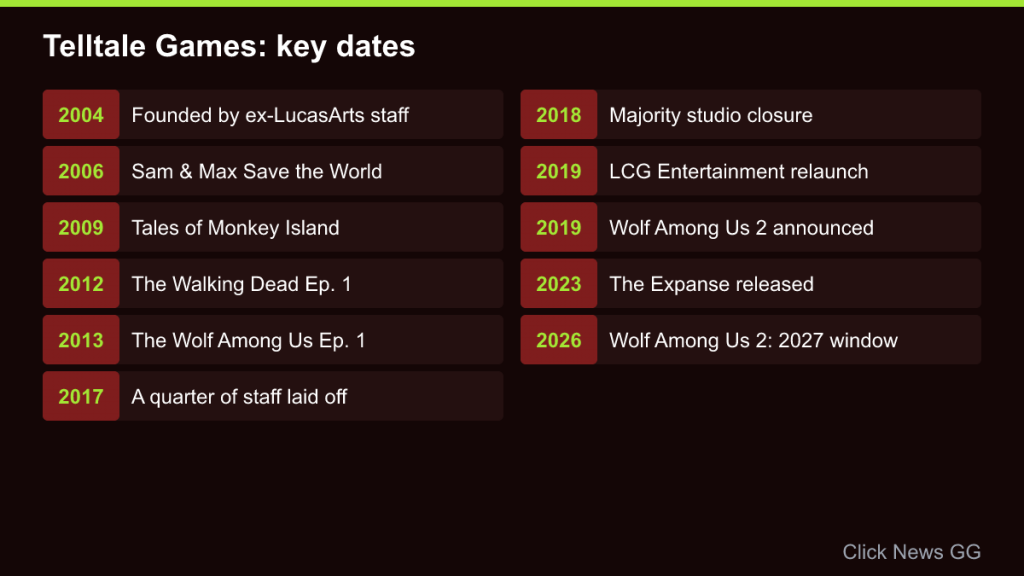
Key dates
| Date | Event |
|---|---|
| July 2004 | Telltale founded by ex-LucasArts staff |
| 2006 | Sam & Max Save the World proves the episodic model |
| 2009 | Tales of Monkey Island, in collaboration with LucasArts |
| April 2012 | The Walking Dead Episode 1 released |
| October 2013 | The Wolf Among Us Episode 1 released |
| November 2017 | About a quarter of staff laid off |
| September 2018 | Majority studio closure |
| August 2019 | LCG Entertainment relaunches Telltale |
| December 2019 | The Wolf Among Us 2 announced |
| 2023 | The Expanse: A Telltale Series released |
| June 2026 | The Wolf Among Us 2 given a 2027 window; remaster announced |