
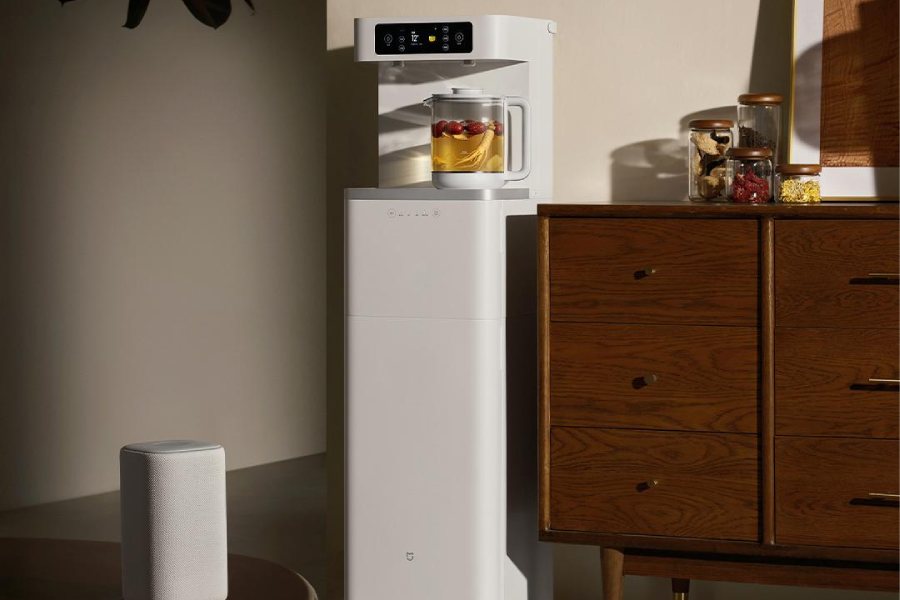
Chinese technology giant Xiaomi has unveiled its latest innovation in the smart home appliance sector — an intelligent tea station capable of autonomously brewing tea and sterilizing cups. The device represents another step in the company’s ambitious mission to integrate smart technology into every aspect of daily life, bringing traditional tea culture into the modern era of connected devices. Users can select from a variety of pre-programmed modes designed specifically for different tea varieties, ensuring optimal brewing conditions for each type of tea leaf.
Advanced Features and Brewing Technology
The new Xiaomi tea station combines sophisticated temperature control with precise timing algorithms to deliver the perfect cup of tea every time. Different types of tea require specific water temperatures and steeping times — green tea typically needs cooler water around 70-80°C, while black tea performs best at near-boiling temperatures. The smart station automatically adjusts these parameters based on the selected tea mode, eliminating the guesswork that often leads to bitter or weak brews. This level of automation represents a significant advancement over traditional electric kettles or basic tea makers.
One of the most innovative features of the device is its built-in cup sterilization system. Using high-temperature steam or UV light technology, the station can sanitize cups before serving, addressing growing consumer concerns about hygiene in the post-pandemic world. This feature is particularly appealing in households where multiple family members share tea-drinking equipment, or in small office environments where communal kitchenware is common. The sterilization process takes only minutes and can be activated independently or as part of the complete brewing cycle.
Xiaomi’s Growing Smart Home Ecosystem
This tea station joins Xiaomi’s extensive portfolio of smart home products, which has grown dramatically since the company expanded beyond smartphones. The Mi Home ecosystem now includes everything from air purifiers and robot vacuums to smart rice cookers and water purifiers. According to industry analysts, Xiaomi has become one of the world’s largest IoT platforms, with hundreds of millions of connected devices operating globally. The company’s strategy of offering high-quality smart appliances at competitive prices has resonated strongly with consumers, particularly in Asian markets where tea consumption remains deeply embedded in daily culture.
The integration of traditional practices with modern technology reflects a broader trend in the consumer electronics industry. Tea has been an integral part of Chinese culture for thousands of years, with elaborate ceremonies and specific preparation methods passed down through generations. By digitizing these traditions, companies like Xiaomi are making them more accessible to younger consumers who may lack the knowledge or patience for manual brewing techniques. The preset modes essentially encode centuries of tea-making wisdom into convenient one-touch operations.
Market Potential and Consumer Reception
The smart tea maker market has been expanding rapidly in recent years, driven by increasing urbanization and busy lifestyles that leave little time for traditional tea preparation. Research indicates that the global smart kitchen appliance market is expected to reach significant growth in the coming years, with Asia-Pacific leading demand. Xiaomi’s entry into this specific niche could accelerate adoption, given the company’s established distribution networks and reputation for value-oriented innovation. Early consumer reactions on Chinese social media platforms have been largely positive, with many praising the device’s sleek design and practical functionality.
Pricing and availability details for international markets have not yet been announced, though the product is expected to launch first in China through Xiaomi’s official channels. Given the company’s track record, the tea station will likely be competitively priced to capture market share from established kitchen appliance brands. As smart home technology continues to mature, innovations like this tea station demonstrate how even the most traditional daily rituals can be enhanced through thoughtful application of modern engineering and connectivity.
Expert Opinion: This product launch signals Xiaomi’s strategic push to dominate the premium smart kitchen segment while honoring cultural traditions that resonate with its core Asian consumer base. As competition intensifies in the smart home market, we can expect other major players to introduce similar culturally-specific appliances, potentially expanding into coffee, matcha, and other beverage categories with region-appropriate customization features.