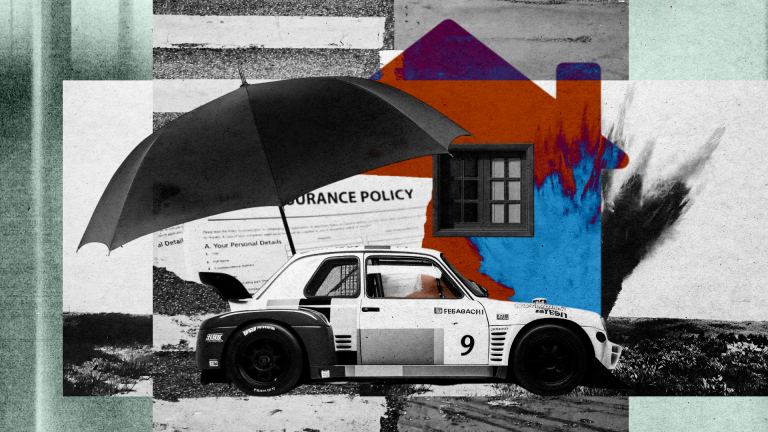

As armed conflicts continue to affect civilian populations across various regions, an increasing number of property owners are turning to specialized insurance products designed to protect their assets from war-related damages. War risk insurance, once considered a niche product primarily used by businesses operating in conflict zones, has now become a practical consideration for ordinary citizens seeking financial protection for their homes and vehicles. Understanding how these policies work, what they cover, and how to successfully file claims has become essential knowledge for those living in or near areas affected by military operations.
The concept of war risk insurance dates back centuries, originally developed to protect maritime trade during times of conflict. However, modern war risk policies have evolved significantly to address the needs of contemporary property owners. These specialized insurance products typically cover damages resulting from military actions, including shelling, aerial bombardment, missile strikes, and other combat-related incidents. Unlike standard property insurance, which explicitly excludes war-related damages in most cases, these dedicated policies fill a critical gap in coverage that many property owners only discover after tragedy strikes.
What War Risk Insurance Covers and Policy Limitations
War risk insurance policies for residential properties and vehicles typically cover a range of damages directly attributable to military operations. This includes structural damage from explosions, fire caused by military action, damage from falling debris or aircraft, and destruction resulting from shelling or missile impacts. Some comprehensive policies also extend coverage to include damages from looting that occurs during active military operations, though this coverage varies significantly between insurers and specific policy terms.
However, potential policyholders should carefully examine what their coverage excludes. Most war risk policies do not cover damages that occur during nuclear, biological, or chemical attacks. Additionally, properties located in territories under occupation may face coverage restrictions or complete exclusions. The timing of policy purchase is also crucial—insurers typically impose waiting periods before coverage becomes active, and policies purchased after hostilities have already begun in a specific area may have significant limitations or higher premiums.
Factors Affecting Policy Costs and Premium Calculations
The cost of war risk insurance varies dramatically based on several key factors. Geographic location represents the most significant variable, with properties in active conflict zones or areas near military installations commanding substantially higher premiums. The type and value of the insured property also play crucial roles—insuring a luxury apartment in a major city will cost considerably more than coverage for a modest vehicle. Insurance companies employ sophisticated risk assessment models that consider historical conflict patterns, current geopolitical tensions, and proximity to strategic targets when calculating premiums.
Property owners can expect to pay anywhere from a small percentage of their property’s value for basic coverage in relatively stable areas to significantly higher rates for comprehensive protection in high-risk zones. Some insurers offer tiered coverage options, allowing policyholders to balance their budget constraints against their desired level of protection. Deductibles also affect premium costs, with higher deductibles resulting in lower monthly or annual payments but greater out-of-pocket expenses when filing claims.
Steps to Ensure Successful Compensation Claims
Successfully obtaining compensation under a war risk insurance policy requires careful documentation and adherence to specific procedures. Property owners should maintain detailed records of their insured assets, including photographs, purchase receipts, and professional appraisals. When damage occurs, immediate documentation becomes critical—photographing the damage from multiple angles, preserving any physical evidence, and obtaining official reports from relevant authorities can significantly strengthen a claim.
Policyholders must notify their insurance company promptly after an incident, as most policies specify strict timeframes for claim submission. Failure to report damage within the required period can result in claim denial. Additionally, property owners should avoid making repairs or alterations to damaged property before an insurance adjuster has conducted an inspection, as this could compromise the assessment process. Working with a qualified insurance broker or legal professional can help navigate complex claim procedures and maximize the likelihood of receiving fair compensation.
The insurance industry continues to adapt its products and practices in response to evolving global security situations. As conflicts affect more civilian populations, the demand for accessible and affordable war risk coverage is likely to grow, potentially leading to new policy innovations and regulatory frameworks designed to protect property owners in uncertain times.
Expert Opinion: Insurance industry analysts predict that war risk coverage will become increasingly mainstream as geopolitical instabilities persist globally. Property owners in potentially affected regions should consider obtaining coverage during periods of relative calm, as premiums inevitably spike during active conflicts and some insurers may refuse new policies altogether. The key to maximizing protection lies in thorough documentation, understanding policy exclusions before purchase, and maintaining open communication with insurers throughout the coverage period.