The high-profile case surrounding the murder of UnitedHealthcare CEO Brian Thompson on the streets of Manhattan has reached a pivotal moment as the accused gunman, Luigi Mangione, has pleaded guilty to the charges against him. The 26-year-old suspect now faces the possibility of life imprisonment for the targeted killing that shocked the American business community and sparked nationwide debates about healthcare industry practices and corporate accountability.
The December 2024 shooting occurred in broad daylight outside a midtown Manhattan hotel where Thompson was scheduled to attend an investor conference. The brazen nature of the attack, combined with cryptic messages found on shell casings at the scene referencing healthcare industry criticisms, immediately transformed this from a typical homicide investigation into a cultural flashpoint that divided public opinion across the United States.
The Crime That Captivated America
Brian Thompson, 50, had served as the chief executive officer of UnitedHealthcare, the largest health insurance provider in the United States, since 2021. On the morning of December 4, 2024, he was ambushed by a masked gunman who fired multiple shots before fleeing on foot and later escaping on an electric bicycle. The sophisticated planning and execution of the attack suggested a premeditated assassination rather than a random act of violence.
The investigation quickly became one of the most intensive manhunts in recent New York City history. Law enforcement agencies deployed facial recognition technology, analyzed surveillance footage from hundreds of cameras, and traced the suspect’s movements across multiple states. Mangione was ultimately apprehended at a McDonald’s restaurant in Altoona, Pennsylvania, five days after the shooting, following a tip from an alert employee who recognized him from widely circulated photographs.
Public Reaction Reveals Deep Healthcare Frustrations
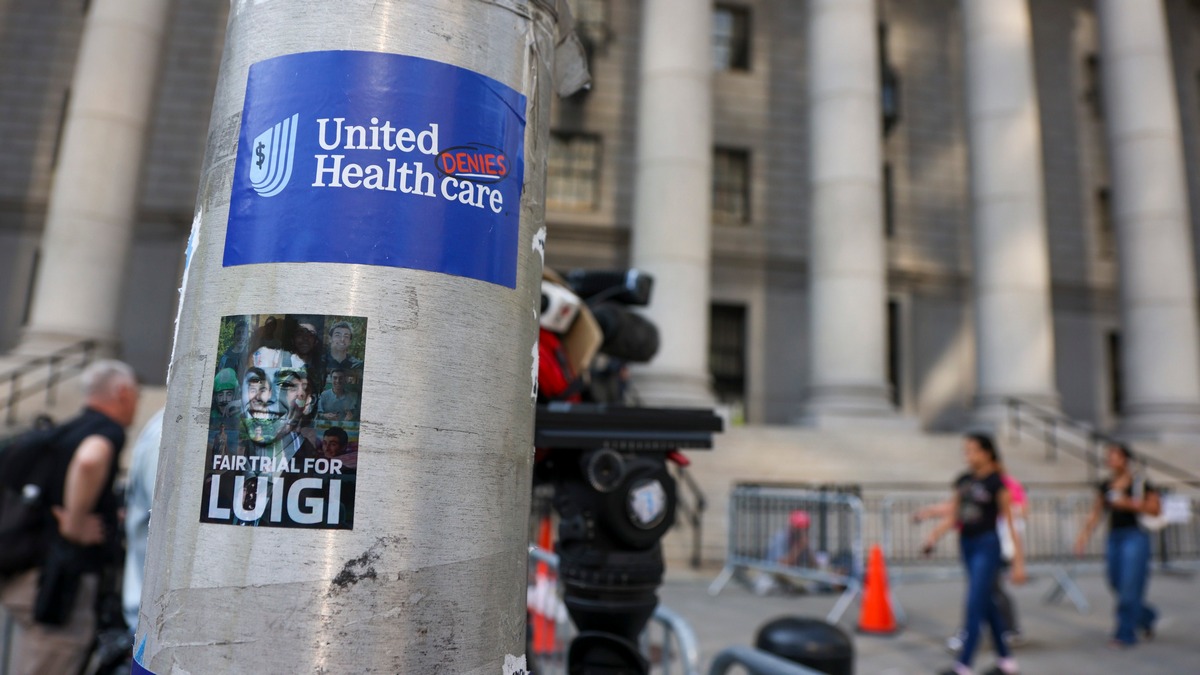
What made this case particularly unprecedented was the polarized public response. While the murder of any individual is inherently tragic, significant segments of the American public expressed sympathy not for the victim, but for the alleged perpetrator. Social media platforms were flooded with posts criticizing the health insurance industry’s practices, including claim denials, prior authorization requirements, and what many perceive as profit-driven decision-making that affects patient care.
This phenomenon highlighted the deep-seated frustrations many Americans harbor toward the healthcare system. UnitedHealth Group, the parent company of UnitedHealthcare, reported revenues exceeding $370 billion in 2023, making it one of the most profitable corporations in the world. Critics argue that such profits come at the expense of policyholders who face denied claims and inadequate coverage during medical emergencies. Industry defenders counter that insurance companies must balance actuarial realities with patient needs while maintaining financial sustainability.
Legal Proceedings and Guilty Plea
Mangione faced both state and federal charges related to the killing. The state charges included first-degree murder, while federal prosecutors pursued additional counts related to stalking and weapons violations. Legal experts noted that the case presented complex jurisdictional questions, as evidence suggested Mangione had traveled from his home state specifically to carry out the attack, potentially invoking federal statutes regarding interstate criminal activity.
By entering a guilty plea, Mangione has effectively concluded the trial phase of proceedings, with the court now moving toward sentencing. Under New York law, a conviction for first-degree murder carries a mandatory sentence of life imprisonment without the possibility of parole. The guilty plea eliminates the possibility of acquittal but also removes the uncertainty of a jury trial, which some legal analysts believed could have produced an unpredictable outcome given the unusual public sentiment surrounding the case.
Broader Implications for Corporate Security and Healthcare Reform
The Thompson murder has prompted widespread reassessment of executive security protocols across corporate America. Many Fortune 500 companies have significantly increased protection for their senior leadership, particularly those in industries that face substantial public criticism. Security consultants report unprecedented demand for threat assessments and protective services in the months following the incident.
Additionally, the case has reinvigorated discussions about healthcare reform at both state and federal levels. Several state legislatures have introduced bills aimed at increasing transparency in insurance claim decisions and restricting certain denial practices. While proponents argue these measures address legitimate grievances, opponents caution against allowing a violent crime to drive policy decisions. The sentencing of Luigi Mangione will mark the conclusion of the criminal case, but the broader conversations it ignited about American healthcare are likely to continue for years to come.
Expert Opinion: This case represents a watershed moment in American corporate history, revealing the dangerous intersection of public frustration with essential services and the potential for radicalized individual action. Legal analysts suggest the guilty plea indicates Mangione’s acceptance of responsibility, but the underlying healthcare grievances that garnered him public sympathy remain unaddressed. Without meaningful reform to insurance practices and greater transparency in claim decisions, the systemic tensions exposed by this tragedy will persist, potentially inspiring future acts of targeted violence against corporate leadership.