
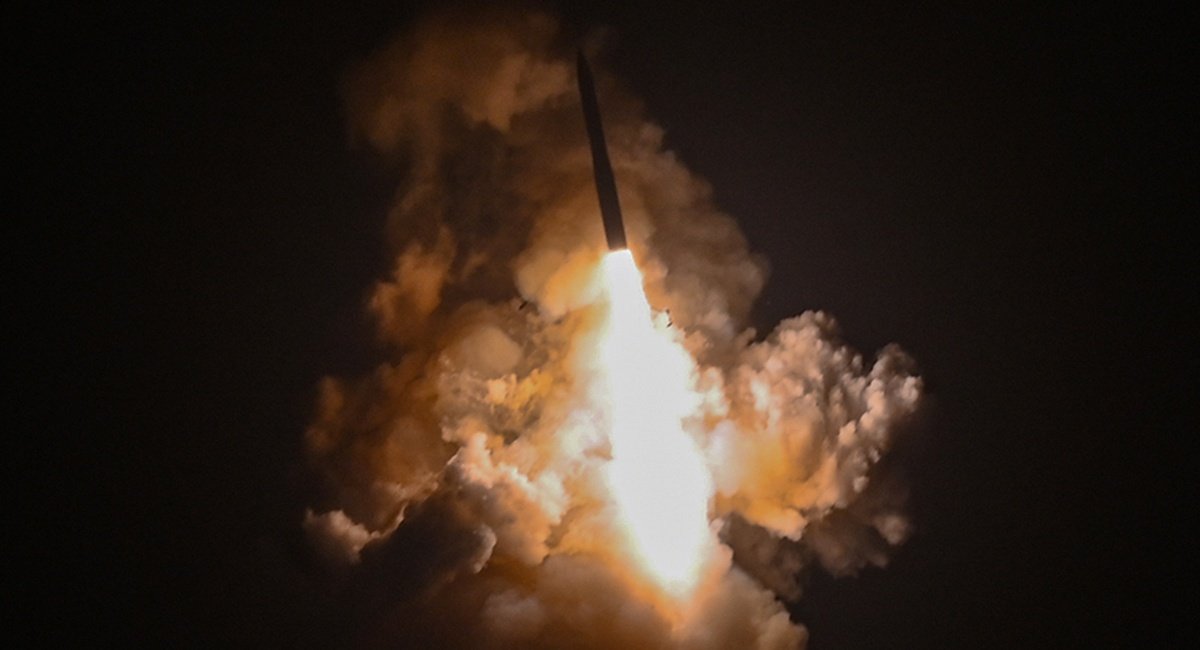
The United States Department of Defense is turning to artificial intelligence technology to help maintain its aging fleet of Minuteman III intercontinental ballistic missiles, as delays in the replacement program force the military to keep the Cold War-era weapons operational for longer than originally planned. The decision reflects both the growing role of AI in military applications and the urgent challenges facing America’s nuclear deterrent infrastructure as it approaches six decades of service.
The Minuteman III missiles, first deployed in 1970, form the land-based leg of America’s nuclear triad, which also includes submarine-launched ballistic missiles and strategic bombers. Currently, approximately 400 of these missiles are maintained in underground silos across Montana, Wyoming, North Dakota, Colorado, and Nebraska, ready to launch within minutes of receiving presidential authorization. The missiles were originally designed for a ten-year service life, but continuous upgrades have extended their operational capability far beyond initial expectations.
Delays in Sentinel Replacement Program Drive AI Adoption
The push to integrate artificial intelligence into Minuteman III maintenance comes as the replacement program, known as the LGM-35A Sentinel, faces significant cost overruns and schedule delays. Originally projected to cost approximately $96 billion, the Sentinel program has seen its estimated price tag balloon to over $140 billion, triggering a formal review under the Nunn-McCurdy Act, which requires Congressional notification when major defense programs exceed their budgets by more than 25 percent. These setbacks mean the aging Minuteman III fleet must remain operational well into the 2030s, far longer than military planners had anticipated.
The Air Force Global Strike Command, which oversees the nation’s land-based nuclear arsenal, has been exploring how AI systems can assist in predictive maintenance, identifying potential component failures before they occur, and streamlining the complex logistics of maintaining missiles that contain parts manufactured decades ago. Some components are so old that their original manufacturers no longer exist, forcing maintenance crews to either fabricate replacements or source parts from decommissioned missiles.
Historical Context and Strategic Importance
The Minuteman III has been a cornerstone of American nuclear strategy since the height of the Cold War. Each missile can carry multiple independently targetable reentry vehicles (MIRVs), allowing a single missile to strike several different targets. Throughout its service life, the system has undergone numerous modernization programs, including upgrades to its guidance systems, rocket motors, and warheads. Despite these improvements, military officials have long warned that the fundamental infrastructure is reaching the end of its viable lifespan.
Defense analysts note that the decision to employ AI for maintenance purposes represents a pragmatic response to an increasingly complex problem. “Maintaining weapons systems that are older than most of the technicians working on them presents unique challenges,” explained one defense industry observer. The institutional knowledge required to service these missiles has been gradually lost as experienced personnel retire, making AI-assisted maintenance an attractive option for preserving critical operational capabilities. The Pentagon has been investing heavily in AI applications across multiple domains, from logistics and supply chain management to autonomous systems and decision support tools.
Future Implications for Nuclear Deterrence
The integration of AI into nuclear weapons maintenance raises important questions about the future of America’s strategic deterrent. While AI can potentially improve efficiency and reduce costs, critics have expressed concerns about the reliability of automated systems in such high-stakes environments. Proponents argue that AI will augment rather than replace human decision-making, serving as a tool to help maintenance crews identify and address problems more quickly. The Air Force has emphasized that all critical decisions regarding nuclear weapons will continue to require human oversight and approval.
As the United States continues to modernize its nuclear forces, the Minuteman III will likely remain a symbol of both Cold War history and the challenges of maintaining legacy weapons systems in the 21st century. The successful integration of AI technology could provide valuable lessons for future defense programs while ensuring that America’s nuclear deterrent remains credible and effective during this extended transition period.
Expert Opinion: The deployment of AI for Minuteman III maintenance signals a broader shift in how the Pentagon approaches aging weapons systems. This hybrid strategy of combining cutting-edge technology with legacy platforms may become a template for other nations facing similar modernization challenges. However, the fundamental issue remains unresolved—without the Sentinel program getting back on track, the U.S. risks stretching its nuclear infrastructure beyond safe operational limits, regardless of how sophisticated the maintenance tools become.