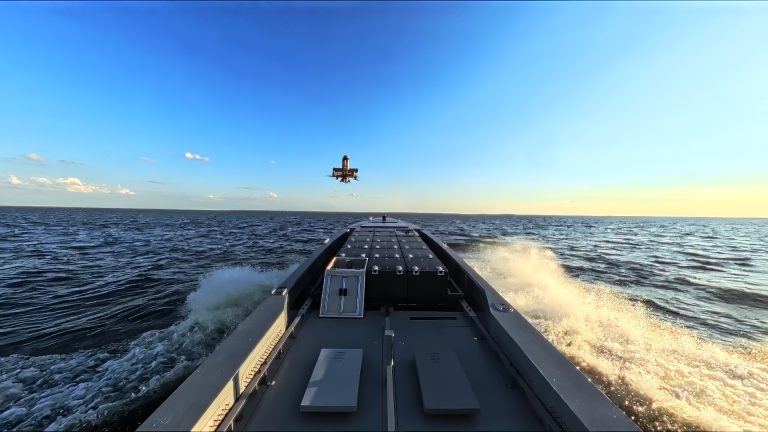
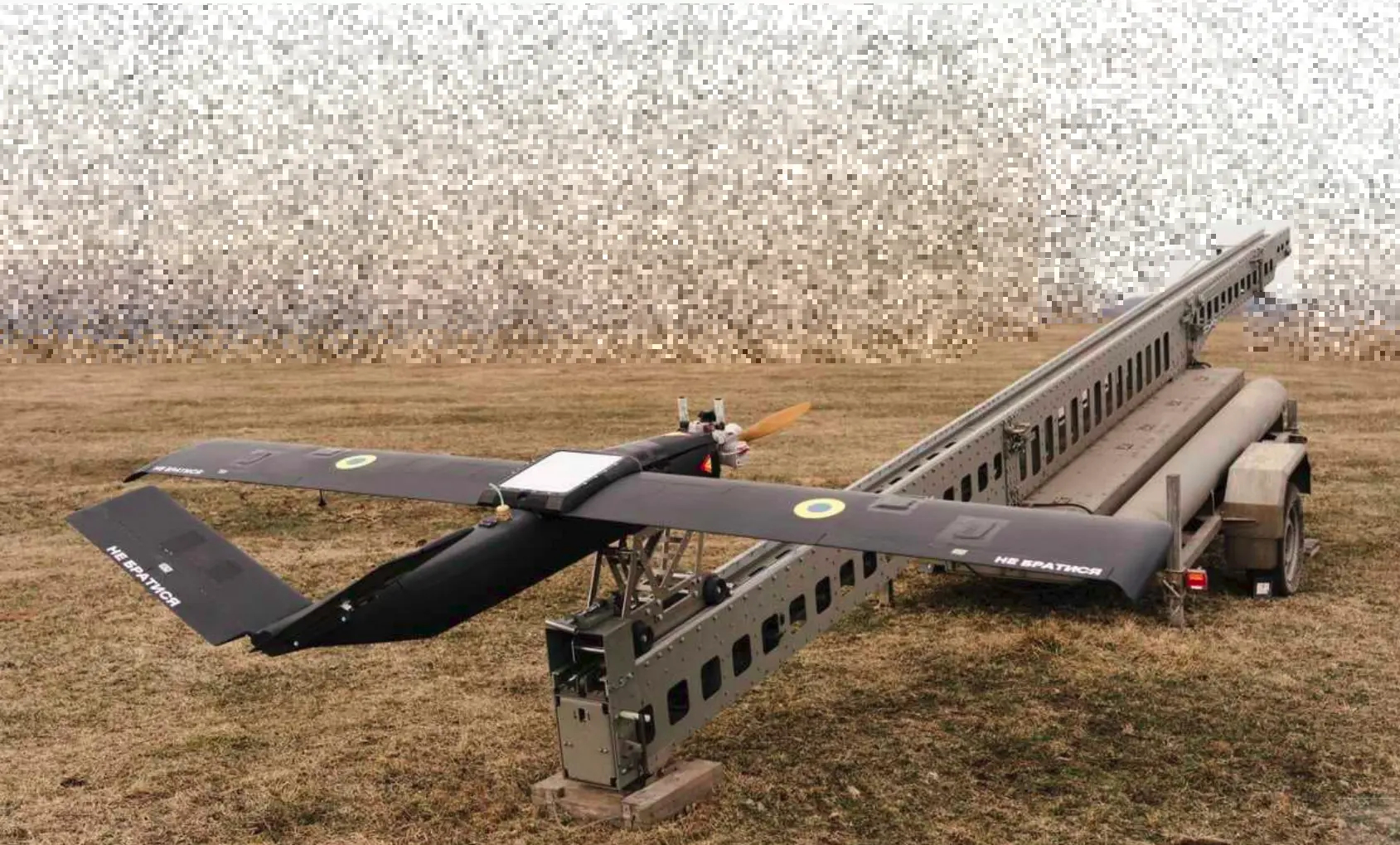
Ukraine continues to expand its domestic defense manufacturing capabilities with significant advancements in unmanned aerial vehicle technology. The Ukrainian-made TRX drone has reportedly achieved an impressive operational range of up to 450 kilometers, marking a substantial leap forward in the country’s ability to conduct long-range strike missions. Military officials indicate that combat deployment of the strike variant is expected to begin in the near future, potentially adding a powerful new tool to Ukraine’s arsenal in its ongoing defense against Russian aggression.
Technical Specifications and Development History
The TRX represents the culmination of intensive research and development efforts by Ukrainian defense engineers who have been working under extraordinary wartime conditions. The 450-kilometer range capability positions this drone among the more capable systems in its class, enabling operators to reach targets deep within enemy territory while launching from positions well behind the front lines. This extended range provides significant tactical advantages, allowing Ukrainian forces to strike critical infrastructure, military installations, and supply routes that were previously difficult to reach with shorter-range systems.
Ukrainian drone development has accelerated dramatically since the beginning of the full-scale Russian invasion in February 2022. What began as a reliance on imported systems and commercial adaptations has evolved into a sophisticated domestic production ecosystem. The country has established numerous manufacturing facilities, many operating in undisclosed locations for security purposes, that produce everything from small reconnaissance quadcopters to larger strike-capable platforms like the TRX. This rapid industrialization of the drone sector reflects Ukraine’s strategic recognition that unmanned systems offer a cost-effective means of projecting force against a numerically superior adversary.
Strategic Implications for the Conflict
The introduction of longer-range strike drones fundamentally alters the calculus of the ongoing conflict. With a 450-kilometer operational radius, Ukrainian forces can theoretically threaten targets across a vast swath of Russian-controlled territory and even reach into Russia proper. This capability serves multiple strategic purposes: it forces Russian forces to disperse air defense assets across a wider area, complicates logistics planning, and creates psychological pressure on military and civilian infrastructure far from the active combat zone. Military analysts have noted that Ukraine’s drone campaign has already forced Russia to relocate valuable assets, including aircraft and ammunition depots, further from Ukrainian territory.
The economic dimension of drone warfare also favors Ukraine in this asymmetric conflict. While cruise missiles and precision-guided munitions can cost hundreds of thousands or even millions of dollars per unit, domestically produced drones offer a fraction of that price point while delivering similar effects against many target types. This cost efficiency allows Ukraine to sustain a higher tempo of operations and absorb losses that would be prohibitive with more expensive weapon systems. Furthermore, the distributed nature of drone manufacturing makes it more resilient to Russian strikes compared to centralized defense industrial facilities.
International Context and Future Developments
Ukraine’s drone program operates within a broader international context of rapidly evolving unmanned warfare. Countries around the world have taken note of how effectively both sides have employed drones in the conflict, prompting reassessments of military doctrine and procurement priorities. The lessons learned from Ukrainian drone operations are already influencing defense planning in NATO countries and beyond. For Ukraine specifically, continued investment in domestic drone production represents both a military necessity and an economic opportunity, with potential for future exports once the conflict concludes.
Looking ahead, Ukrainian officials have indicated that the TRX program is just one element of a comprehensive drone strategy that includes multiple platforms optimized for different mission profiles. The defense ministry has announced plans to significantly expand production capacity throughout 2025, with goals of producing thousands of strike-capable drones annually. Western partners have provided support for these efforts through technology transfers, component supplies, and financial assistance, recognizing that Ukrainian drone capabilities directly contribute to degrading Russian military strength. As combat deployment of the TRX strike variant approaches, military observers will be watching closely to assess its effectiveness in real-world operations.
Expert Opinion: The TRX’s 450-kilometer range represents a significant milestone in Ukraine’s defense industrial maturation, effectively creating a persistent deep-strike capability that complements Western-supplied long-range systems. As production scales up, we can expect these drones to play an increasingly central role in Ukraine’s operational strategy, particularly in targeting Russian logistics networks and command infrastructure. This development signals that indigenous Ukrainian defense technology is rapidly closing the gap with established military powers.