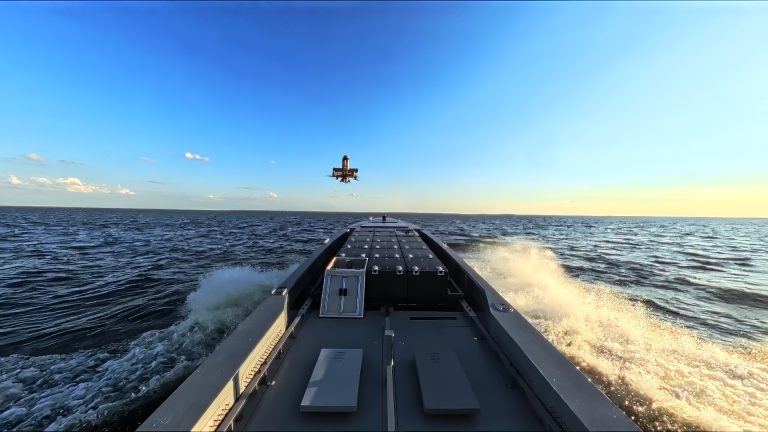
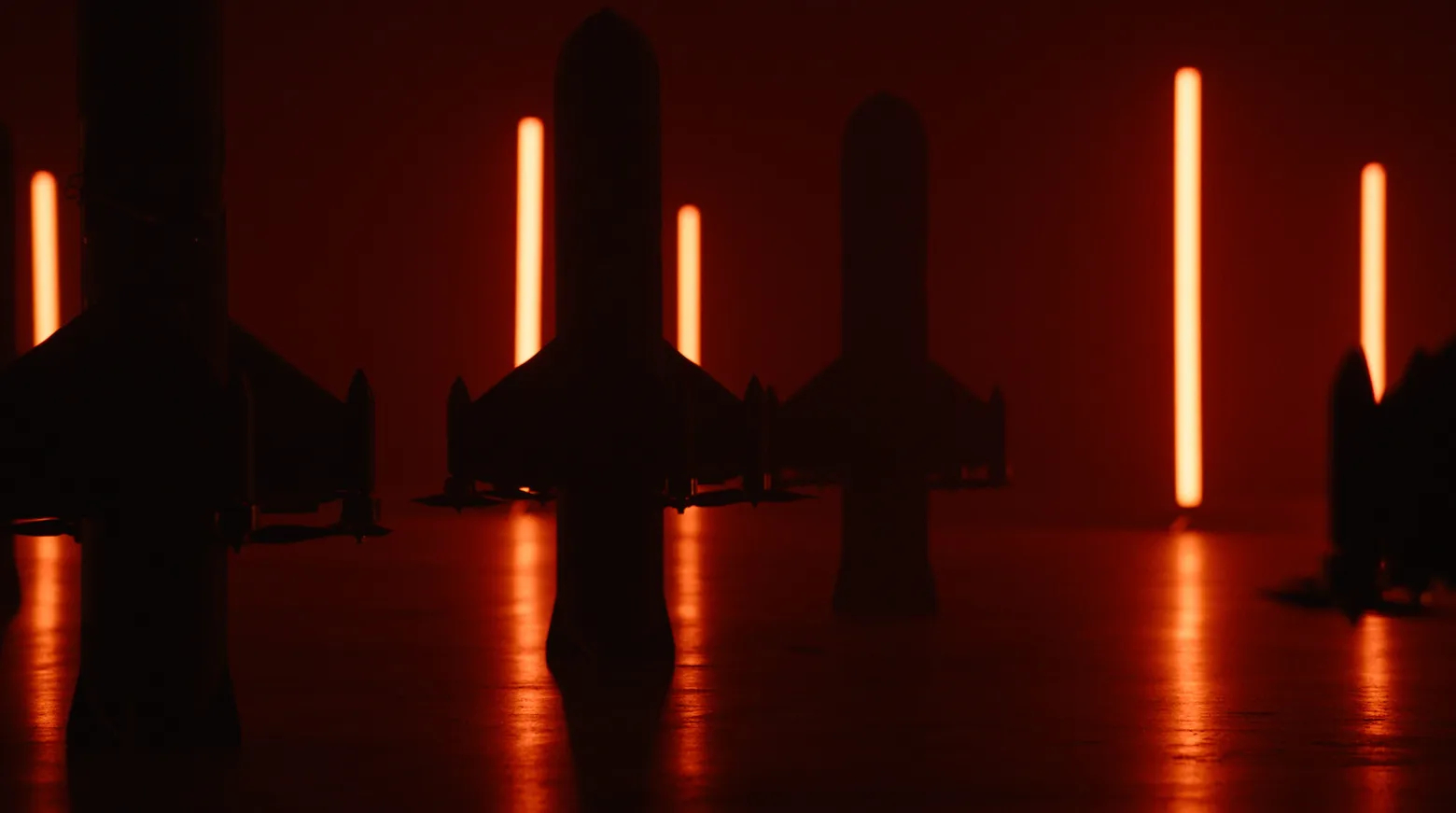
Ukraine’s defense technology sector has achieved another significant milestone with the introduction of the Zirka interceptor drone, a new unmanned aerial vehicle featuring an advanced automatic target tracking system. The drone has officially entered the Ukrainian market, offering an affordable solution for countering enemy reconnaissance and attack drones that have become a defining feature of modern warfare. This development represents Ukraine’s continued commitment to developing indigenous defense capabilities amid the ongoing conflict with Russia.
The Zirka drone stands out in the crowded field of unmanned aerial vehicles due to its sophisticated guidance system that allows for automatic target acquisition and tracking. This capability significantly reduces the skill level required for operators, making it accessible to a wider range of military units and territorial defense formations. The system can identify and pursue enemy drones autonomously, requiring minimal input from ground-based controllers once a target has been designated.
Technical Capabilities and Battlefield Applications
The automatic guidance system incorporated into the Zirka represents a crucial technological advancement for Ukrainian forces. Traditional drone interception methods often require highly skilled pilots who must manually navigate their aircraft into collision courses with enemy targets moving at high speeds. The Zirka’s automated tracking eliminates much of this challenge, using onboard sensors and algorithms to calculate intercept trajectories and make real-time adjustments during pursuit. This technology has proven particularly valuable against the Iranian-designed Shahed drones that Russia has deployed extensively against Ukrainian infrastructure.
Counter-drone warfare has emerged as one of the most critical aspects of the current conflict. Since the beginning of Russia’s full-scale invasion in February 2022, both sides have deployed thousands of unmanned aerial vehicles for reconnaissance, attack missions, and artillery spotting. Ukraine has faced particularly intense drone attacks targeting its energy infrastructure and civilian areas, making effective and affordable interception systems a national priority. The Zirka addresses this need by offering a cost-effective alternative to expensive missile-based air defense systems.
Ukraine’s Growing Domestic Defense Industry
The introduction of the Zirka drone reflects the remarkable growth of Ukraine’s domestic defense industry since the conflict began. Ukrainian companies have rapidly scaled up production of various drone types, from small reconnaissance quadcopters to larger strike platforms capable of hitting targets deep inside Russian territory. This indigenous production capacity has become increasingly important as Ukraine seeks to reduce its dependence on foreign military aid and develop sustainable long-term defense capabilities. The country’s tech sector has pivoted significantly toward military applications, with numerous startups and established companies contributing innovations to the war effort.
Affordability remains a key consideration in Ukraine’s drone development strategy. While Western allies have provided sophisticated air defense systems such as the Patriot and IRIS-T, these platforms are expensive to operate and limited in number. Interceptor drones like the Zirka offer a more economical approach to neutralizing low-cost enemy drones, creating a more favorable cost-exchange ratio in the ongoing war of attrition. Military analysts have emphasized that this economic dimension of drone warfare may prove decisive in determining the conflict’s ultimate outcome, as both sides seek to exhaust each other’s resources and production capabilities.
Future Implications for Modern Warfare
The Zirka’s entry into service also carries broader implications for the future of aerial warfare globally. Military observers worldwide are closely studying the Ukraine conflict as a preview of how future wars may be fought, with drones playing an increasingly central role in both offensive and defensive operations. The development of affordable, automated interceptor systems could fundamentally change how nations approach air defense, potentially making traditional manned aircraft and expensive missile systems less dominant in certain tactical scenarios. Ukraine’s battlefield innovations, born of necessity, may ultimately reshape military doctrine and procurement decisions in armed forces around the world.
Expert Opinion: The Zirka interceptor represents a significant evolution in counter-drone warfare, demonstrating that effective air defense doesn’t necessarily require billion-dollar systems. As autonomous targeting technology becomes more sophisticated and affordable, we can expect smaller nations to develop credible defense capabilities against drone swarms. Ukraine’s wartime innovations in this field are likely to influence global military procurement strategies for the next decade.