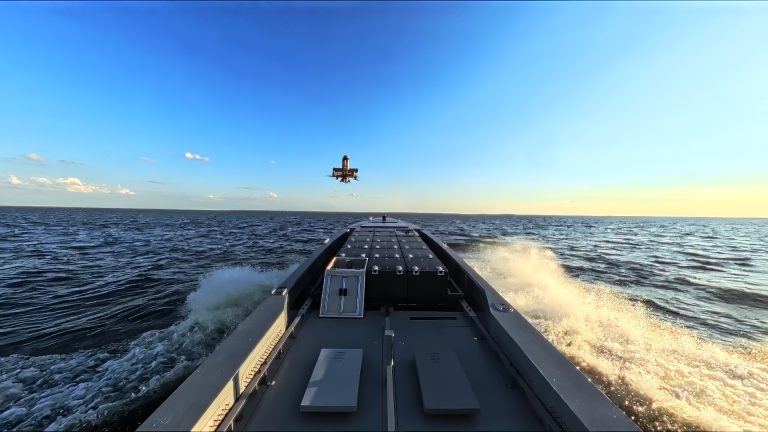
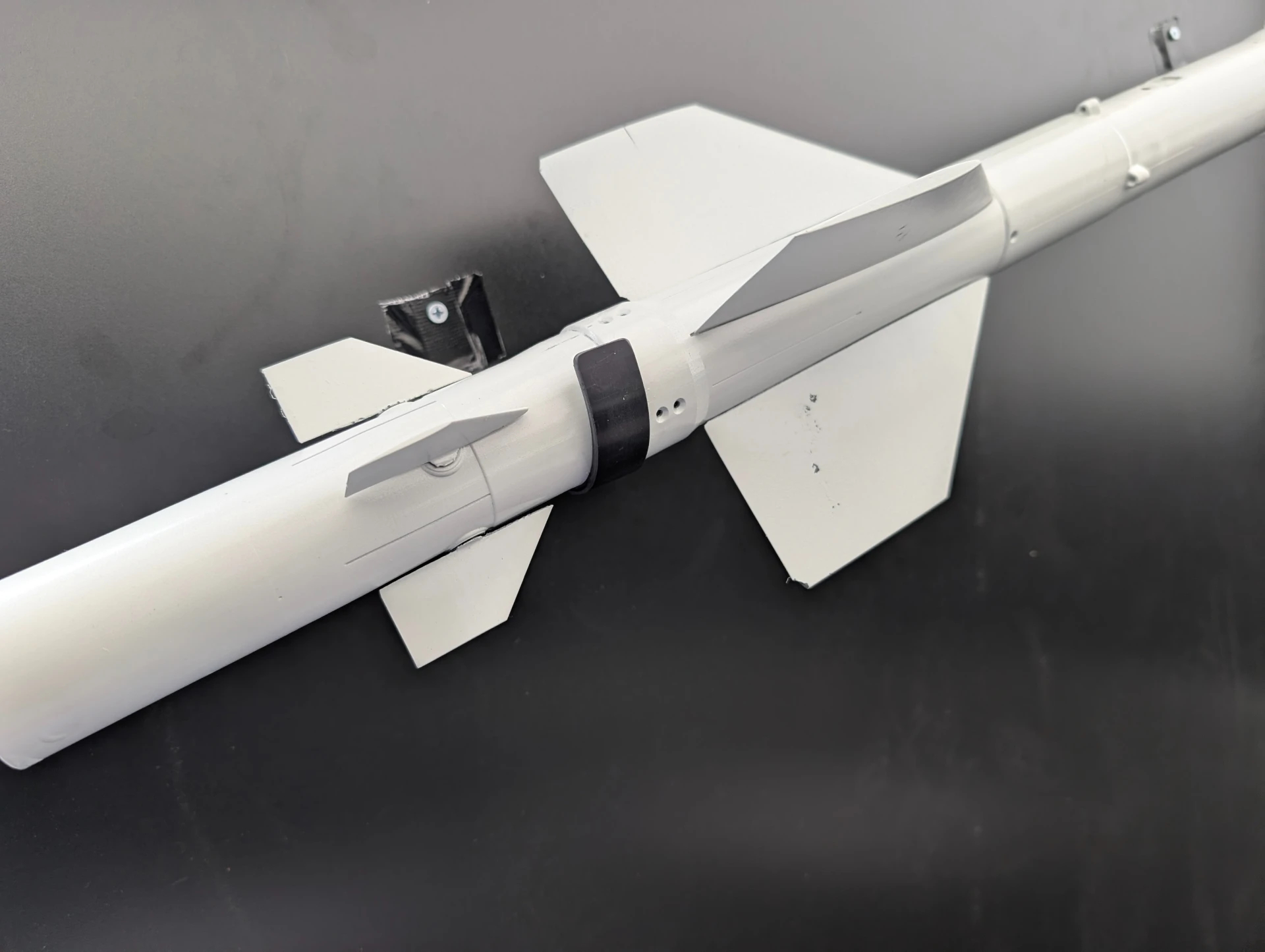
Swedish aerospace and defense company Saab has announced the development of a new cost-effective missile system specifically designed to counter the growing threat posed by unmanned aerial vehicles on modern battlefields. The announcement comes as militaries worldwide grapple with the challenge of defending against increasingly sophisticated and affordable drone technology that has transformed contemporary warfare.
The new interceptor missile represents Saab’s response to one of the most pressing tactical challenges facing armed forces today. Traditional air defense systems, while highly effective against conventional aircraft and missiles, often prove economically impractical when deployed against small, inexpensive drones. The cost asymmetry between a multi-million-dollar surface-to-air missile and a commercial drone worth a few thousand dollars has created a significant strategic vulnerability that defense contractors are racing to address.
The Drone Threat Reshaping Modern Warfare
The proliferation of unmanned aerial vehicles has fundamentally altered the landscape of armed conflict over the past decade. From the battlefields of Ukraine to conflicts in the Middle East, drones have demonstrated their ability to conduct surveillance, deliver precision strikes, and overwhelm traditional defense systems through sheer numbers. First-person-view kamikaze drones, in particular, have emerged as devastatingly effective weapons capable of destroying armored vehicles, ammunition depots, and critical infrastructure at a fraction of the cost of conventional munitions.
Military analysts estimate that some combat drones can be produced for as little as a few hundred dollars, while the missiles traditionally used to intercept them can cost anywhere from $100,000 to several million dollars each. This economic imbalance has driven defense manufacturers to develop specialized counter-drone solutions that can neutralize threats without bankrupting military budgets. Saab’s new missile system appears designed specifically to address this cost-effectiveness gap.
Saab’s Defense Technology Heritage
Saab has a long and distinguished history in the defense sector, dating back to its founding in 1937 as Svenska Aeroplan Aktiebolaget. Originally established to supply aircraft to the Swedish Air Force during a period of growing European tensions, the company has since evolved into a global defense and security enterprise. Saab’s portfolio includes the renowned Gripen fighter jet, the RBS 70 man-portable air defense system, and various radar and electronic warfare solutions deployed by armed forces across the globe.
The company’s expertise in air defense systems makes it well-positioned to tackle the counter-drone challenge. The RBS 70 system, which has been in service since the 1970s and continuously upgraded, provides a foundation of knowledge in portable, cost-effective air defense solutions. Saab has consistently demonstrated its ability to develop weapons systems that balance performance with affordability, a philosophy that appears central to the new anti-drone missile program.
Market Demand and Strategic Implications
The global market for counter-drone systems has experienced explosive growth in recent years, with industry analysts projecting it will reach tens of billions of dollars by the end of the decade. Nations across Europe, Asia, and the Middle East have significantly increased their investments in drone defense capabilities, driven by the lessons learned from recent conflicts. Sweden’s own security concerns, heightened by the geopolitical shifts following Russia’s invasion of Ukraine, have added urgency to domestic defense development efforts.
Saab’s entry into this market segment with a purpose-built solution could provide NATO allies and partner nations with a valuable new tool in their air defense arsenals. The emphasis on cost-effectiveness suggests the system may be designed for high-volume production and widespread deployment, potentially enabling militaries to establish layered defense networks capable of handling mass drone attacks. As unmanned systems continue to evolve and proliferate, solutions like Saab’s new missile will likely become essential components of any comprehensive national defense strategy.
Expert Opinion: The development of affordable counter-drone missiles represents a critical inflection point in modern air defense doctrine. As drone technology becomes increasingly accessible to both state and non-state actors, defense systems must evolve beyond traditional paradigms that assume high-value, limited-quantity aerial threats. Saab’s new system could help establish a more sustainable cost-exchange ratio in drone warfare, though the ultimate success will depend on achieving production costs low enough to justify expenditure against swarm attacks numbering in the hundreds or thousands of units.