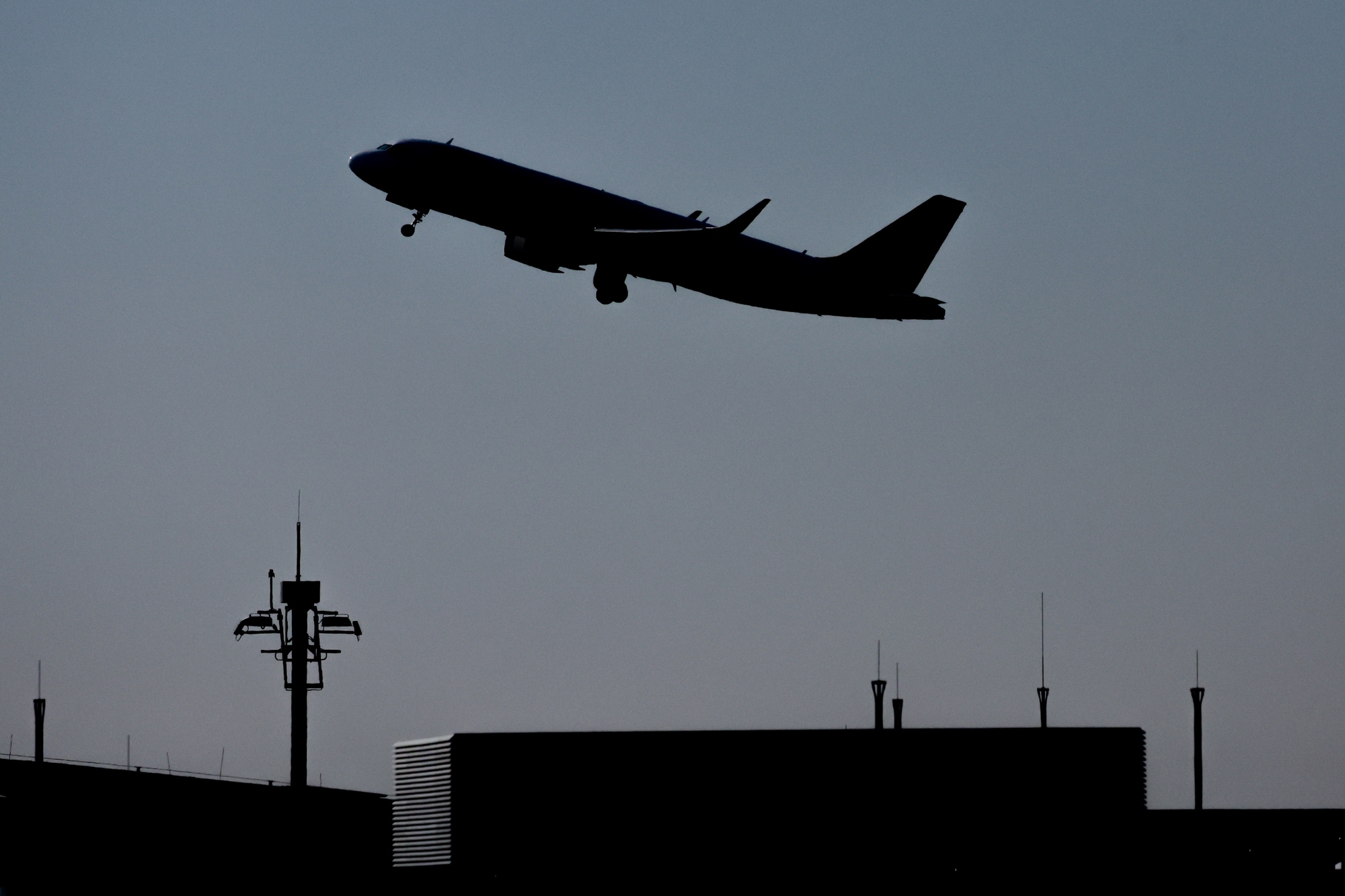
The ongoing conflict between Russia and Ukraine has spawned an unexpected threat to civilian air travel across Europe: widespread GPS jamming and spoofing that is interfering with navigation systems on commercial aircraft. The disruptions have been particularly severe over the Baltic Sea region, especially near Russia’s Kaliningrad exclave, where Russian electronic warfare systems have been operating at unprecedented intensity. Aviation authorities across the continent are now grappling with how to ensure passenger safety while maintaining vital air routes through affected areas.
The phenomenon has raised serious concerns among airline operators, pilots, and aviation safety regulators who must balance operational efficiency with the imperative of safe navigation. While modern aircraft have redundant navigation systems that can compensate for GPS failures, the scale and persistence of the current interference campaign represents a new challenge for the industry.
Understanding the Electronic Warfare Landscape
GPS jamming occurs when ground-based transmitters broadcast signals that overpower the relatively weak satellite signals used by Global Positioning System receivers. Spoofing is an even more sophisticated technique where false GPS signals are transmitted to trick receivers into calculating incorrect positions. Both methods have become standard tools in modern military electronic warfare, but their effects extend far beyond the battlefield. Russian forces have deployed extensive electronic warfare capabilities as part of their operations in Ukraine, and these systems do not respect international boundaries.
The Kaliningrad region, a Russian exclave sandwiched between NATO members Lithuania and Poland, has become a particular hotspot for GPS disruption. Military analysts believe Russia has stationed advanced electronic warfare systems in this strategically sensitive area, creating a bubble of GPS interference that extends over international waters and into neighboring countries’ airspace. Flight tracking data has shown numerous instances of aircraft experiencing navigation anomalies when passing through the region, with some planes briefly disappearing from tracking systems or showing erratic position data.
Impact on Commercial Aviation Operations
Airlines operating in northern and eastern Europe have been forced to adapt their procedures to cope with the interference. Pilots are now routinely briefed on GPS degradation zones and trained to rely on alternative navigation methods, including inertial navigation systems and traditional ground-based radio beacons. The European Union Aviation Safety Agency has issued multiple advisories warning operators about the risks and recommending enhanced crew training and procedural safeguards.
Despite the alarming nature of GPS disruption, aviation experts emphasize that commercial aircraft are designed with multiple layers of redundancy precisely for situations like this. Modern airliners are equipped with several independent navigation systems that can cross-check each other and alert pilots to discrepancies. Air traffic control radar also provides an independent means of tracking aircraft positions. However, the additional workload placed on flight crews and the potential for confusion during critical phases of flight remain concerns that the industry is working to address.
Historical Context and Future Implications
GPS interference is not entirely new to aviation. Isolated incidents have occurred for years, often linked to military exercises or criminal activity such as attempts to confuse tracking systems on smuggling vessels. However, the current situation represents a significant escalation in both scope and duration. The conflict in Ukraine has essentially created a permanent zone of electronic warfare activity in the heart of Europe, forcing the aviation industry to treat GPS unreliability as a routine operational consideration rather than an exceptional circumstance.
Looking ahead, experts suggest that the industry may need to accelerate investment in alternative positioning technologies and improved receiver designs that can better resist jamming and spoofing. International cooperation will also be essential, as the effects of electronic warfare do not respect national boundaries. Some analysts have called for diplomatic efforts to establish clearer norms around the use of electronic warfare systems in ways that affect civilian infrastructure, though progress on such initiatives seems unlikely given the current geopolitical tensions.
Expert Opinion: Aviation safety specialists note that while GPS jamming creates operational challenges and increases pilot workload, the redundant systems on modern aircraft make a catastrophic navigation failure extremely unlikely. However, the persistence of this interference underscores the vulnerability of civilian infrastructure to military electronic warfare and highlights the urgent need for investment in resilient navigation alternatives. As conflicts increasingly feature electronic warfare components, the aviation industry must prepare for a future where GPS reliability can no longer be taken for granted.