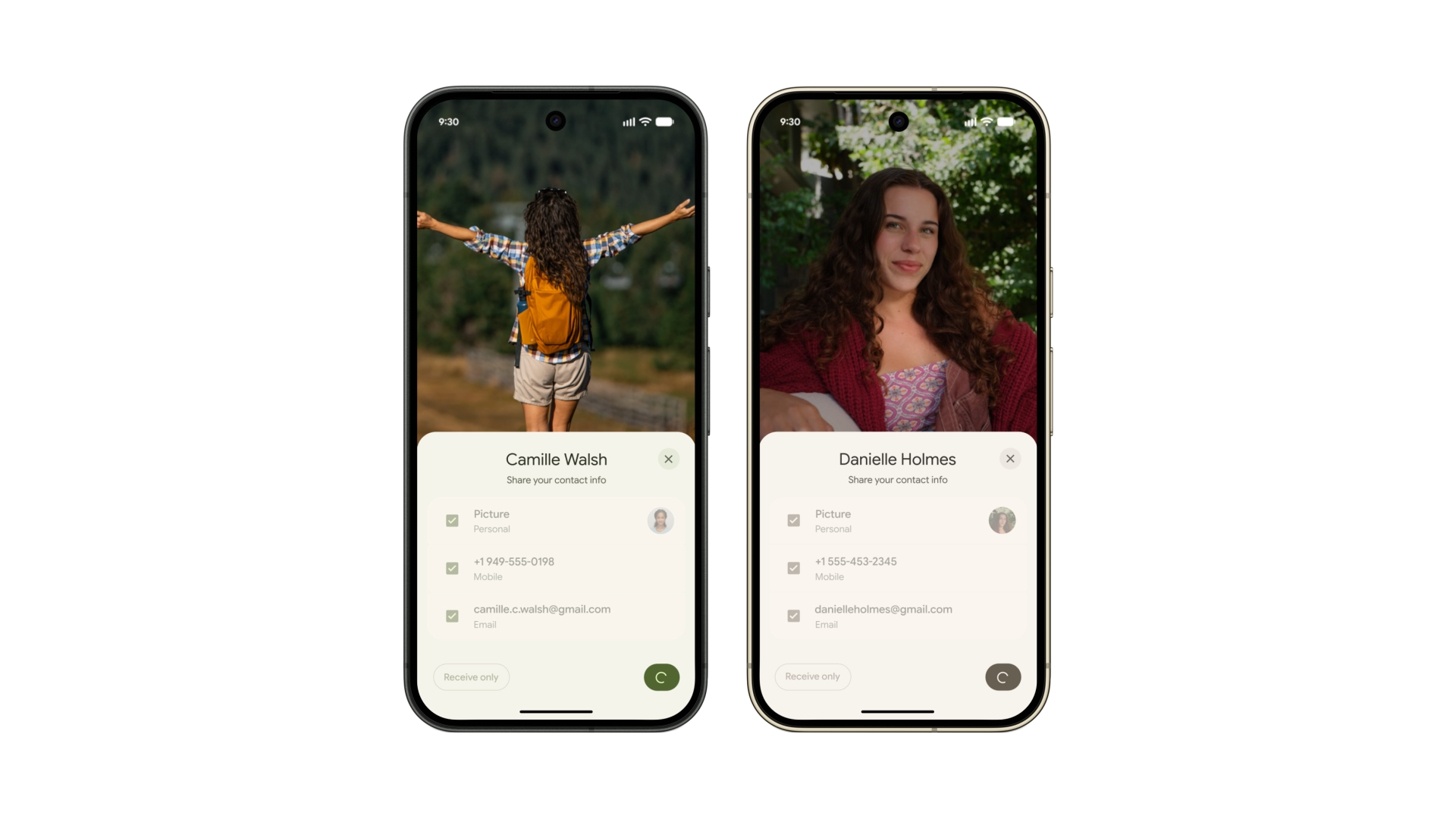
Google has officially rolled out a new file-sharing feature that allows Android users to transfer files simply by tapping their devices together. This innovative functionality is currently being deployed to Pixel 6 smartphones and newer models, marking a significant step forward in Android’s wireless sharing capabilities. The feature represents Google’s latest effort to streamline the user experience and provide a seamless alternative to Apple’s long-established AirDrop technology, which has been a cornerstone of the iOS ecosystem for over a decade.
How the New Tap-to-Share Feature Works
The new tap-to-share functionality leverages Near Field Communication (NFC) technology combined with other wireless protocols to enable rapid file transfers between compatible Android devices. Users simply need to bring their phones close together or physically tap them to initiate a file transfer, eliminating the need to navigate through complex menus or establish manual Bluetooth connections. This intuitive approach mirrors the simplicity that Apple users have enjoyed with AirDrop since its introduction in 2011, though Apple’s implementation relies primarily on a combination of Bluetooth and Wi-Fi Direct technology.
Google has been working on improving its file-sharing ecosystem for several years. The company previously introduced Nearby Share in 2020, which was later rebranded as Quick Share following Google’s partnership with Samsung. This latest tap-to-share enhancement builds upon that foundation, adding an even more intuitive layer of interaction that requires minimal user input. The feature is expected to support various file types including photos, videos, documents, and links, making it a versatile tool for everyday use.
The Evolution of Wireless File Sharing on Mobile Devices
The history of wireless file sharing on mobile devices stretches back to the early days of Bluetooth, when transferring a single photo could take several minutes and often required multiple attempts to establish a stable connection. Apple revolutionized this space with AirDrop in 2011, which used a combination of technologies to enable fast, reliable transfers between iOS devices and Mac computers. This created an ecosystem advantage that encouraged users to stay within the Apple family of products, as the seamless integration was difficult to replicate across different platforms.
Android’s journey toward competitive file sharing has been more fragmented, partly due to the platform’s open nature and the involvement of multiple device manufacturers. Various solutions emerged over the years, including Samsung’s S Beam and various third-party applications, but none achieved the universal adoption or reliability of AirDrop. Google’s introduction of Nearby Share was a significant milestone, and the current tap-to-share feature represents the natural evolution of that technology. Industry analysts suggest that this development could help level the playing field between Android and iOS in terms of user experience and ecosystem integration.
Implications for the Broader Smartphone Market
The introduction of tap-to-share on Android devices carries significant implications for the competitive landscape of the smartphone industry. As file sharing becomes increasingly important for productivity and social interactions, features that simplify this process can influence consumer purchasing decisions. Google’s decision to initially limit the rollout to Pixel 6 and newer devices also serves as an incentive for users to upgrade to more recent hardware, potentially boosting sales of Google’s flagship smartphone line.
Looking ahead, the success of this feature will likely depend on its expansion to other Android devices beyond the Pixel lineup. Samsung, OnePlus, and other major manufacturers will need to implement the technology for it to achieve the universal adoption necessary to truly compete with AirDrop’s ecosystem-wide availability. The feature also raises interesting questions about cross-platform compatibility, as consumers increasingly expect their devices to communicate seamlessly regardless of the operating system. Some industry observers speculate that regulatory pressure, particularly in the European Union, may eventually push both Apple and Google toward more interoperable file-sharing solutions.
Expert Opinion: This tap-to-share feature represents Google’s strategic response to one of the most compelling advantages Apple has maintained in the smartphone ecosystem. As wireless sharing becomes increasingly essential for both personal and professional use, we can expect Google to rapidly expand this functionality across the broader Android ecosystem. The real test will be whether third-party manufacturers adopt the feature uniformly, which could finally give Android users the cohesive, intuitive sharing experience that iPhone users have enjoyed for years.