
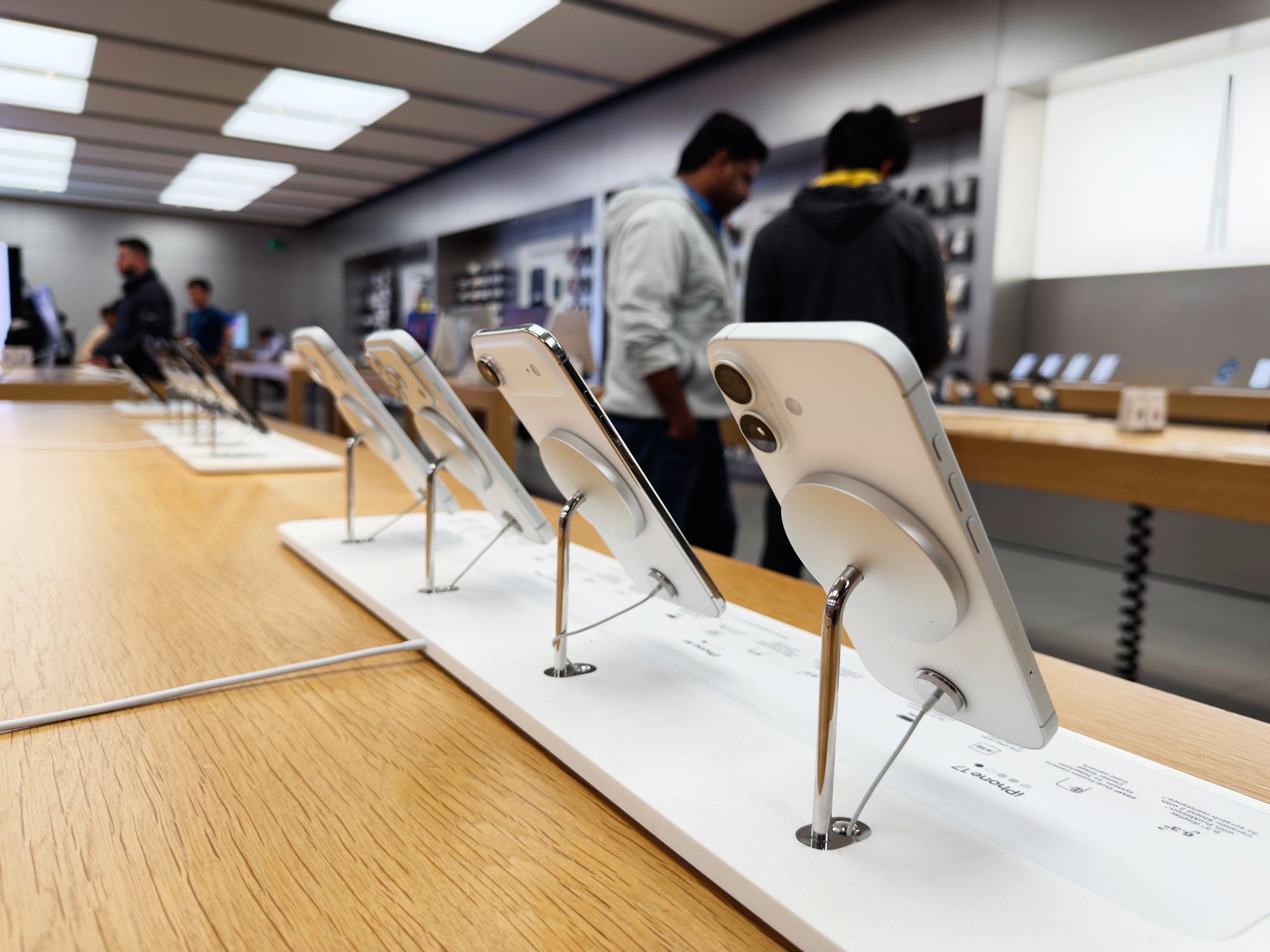
Apple’s upcoming iPhone 17 base model has demonstrated impressive camera capabilities that put it on par with leading flagship smartphones from Samsung and Oppo, according to the latest testing results from DxOMark, one of the most respected camera benchmarking organizations in the mobile industry. This achievement marks a significant milestone for Apple’s standard iPhone lineup, which has traditionally lagged behind its Pro counterparts in camera performance rankings.
The benchmark results suggest that Apple has made substantial improvements to the camera system in its base model, potentially narrowing the gap between the standard iPhone and the more expensive Pro versions. For consumers who have long desired flagship-quality photography without paying premium prices, this development could reshape purchasing decisions when the device launches later this year.
DxOMark Testing Reveals Competitive Performance
DxOMark, headquartered in France, has been the gold standard for camera evaluation since expanding its testing protocols to include smartphones in 2012. The organization employs rigorous scientific methodology, testing devices across hundreds of scenarios including low-light photography, portrait mode accuracy, video stabilization, and color reproduction. Their scores are closely watched by both manufacturers and consumers as reliable indicators of real-world camera performance.
The iPhone 17’s strong showing in these tests indicates that Apple has likely incorporated several hardware and software improvements previously reserved for Pro models. Industry analysts speculate that Apple may have upgraded the sensor size, improved the image signal processor, or enhanced computational photography algorithms to achieve these results. Samsung and Oppo, both known for their camera-centric marketing strategies, have invested billions in camera technology research and development, making this competitive positioning particularly noteworthy.
Historical Context of iPhone Camera Evolution
Apple’s camera journey has been marked by steady improvements since the original iPhone’s 2-megapixel camera in 2007. The company revolutionized mobile photography by focusing not just on specifications but on the overall user experience and image processing. However, in recent years, competitors like Samsung’s Galaxy S Ultra series, Google’s Pixel phones, and Chinese manufacturers including Oppo, Xiaomi, and Huawei have pushed the boundaries of mobile photography with larger sensors, periscope zoom lenses, and advanced AI processing.
The base iPhone has historically been positioned as a more affordable entry point into Apple’s ecosystem, with the Pro models receiving the most advanced camera features. The iPhone 14 and 15 base models, for instance, maintained dual-camera systems while Pro versions boasted triple cameras with additional telephoto capabilities. If the iPhone 17 base model truly matches flagship competitors, it could represent a strategic shift in how Apple differentiates its product lineup.
Market Implications and Consumer Impact
This development carries significant implications for the smartphone market, where camera quality has become a primary differentiator for many consumers. Research firm Counterpoint estimates that camera performance influences purchasing decisions for approximately 40% of smartphone buyers globally. By bringing flagship-level camera performance to its standard model, Apple could attract photography enthusiasts who previously felt compelled to purchase more expensive Pro models or consider Android alternatives.
The competitive pressure this creates for Samsung and Oppo cannot be understated. Both companies have built substantial marketing campaigns around their camera capabilities, with Samsung’s Galaxy S series and Oppo’s Find X series representing their flagship photography offerings. Having Apple’s base model compete at this level may force these manufacturers to accelerate their own innovation cycles or reconsider their pricing strategies to maintain market position.
Expert Opinion: The iPhone 17’s strong camera benchmark results signal Apple’s strategic intent to blur the lines between its standard and Pro offerings, potentially democratizing flagship-quality photography across its entire lineup. This move could trigger a significant market recalibration, forcing competitors to either lower prices or dramatically innovate to maintain their perceived value proposition in the premium smartphone segment.