The Russian stock market experienced its most significant single-day decline since September 2022 on Monday, as investors reacted negatively to aggressive statements from Foreign Minister Sergey Lavrov and the Russian Ministry of Defense. The sharp selloff came immediately after Russian officials publicly rejected proposals for a temporary ceasefire in the ongoing conflict with Ukraine, sending shockwaves through financial markets that had briefly rallied on hopes of de-escalation.
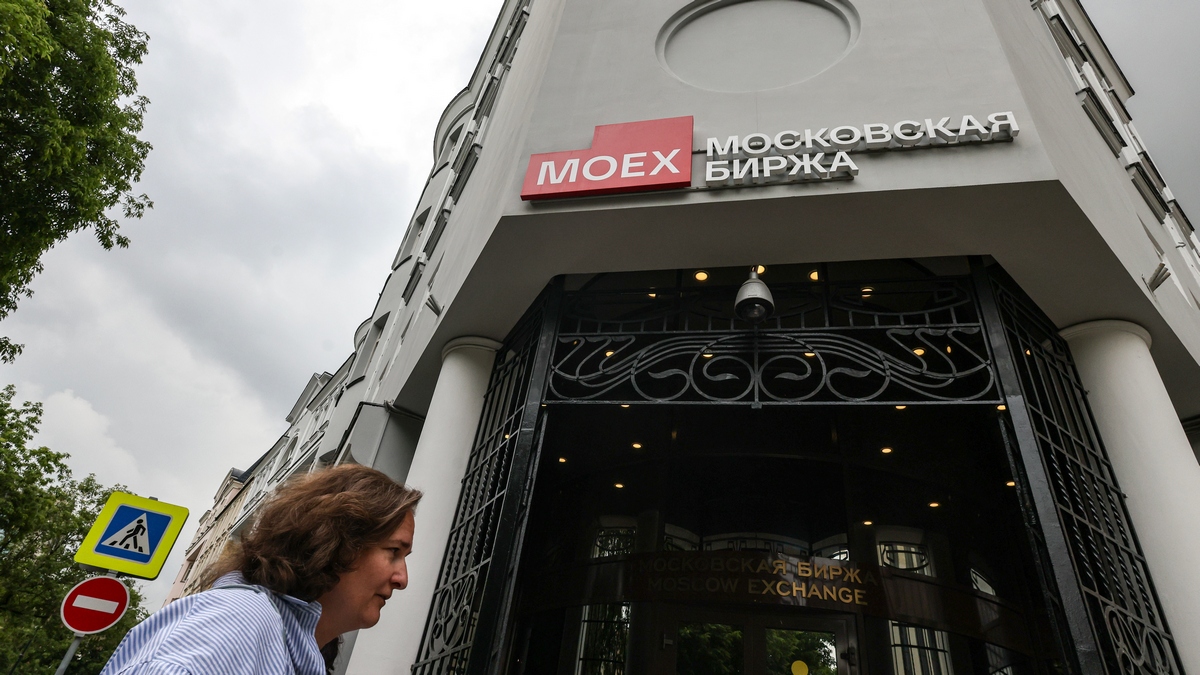
The Moscow Exchange’s benchmark MOEX index plummeted dramatically as trading commenced, with major blue-chip stocks including Sberbank, Gazprom, and Rosneft all posting substantial losses. The severity of the decline caught many market participants off guard, as some investors had positioned themselves for potential peace dividends in anticipation of diplomatic breakthroughs. Instead, the hawkish rhetoric from senior Russian officials triggered a wave of panic selling that erased weeks of cautious gains.
Market Reaction to Diplomatic Developments
The timing of the market collapse is directly linked to statements made by Lavrov and Defense Ministry officials, who categorically dismissed the possibility of implementing a so-called “freeze” on military operations. These comments effectively dashed hopes that had been building among investors following earlier diplomatic overtures and discussions about potential negotiations. The Russian ruble also came under pressure during the session, reflecting broader concerns about economic stability and the prospects for continued sanctions relief.
Financial analysts noted that the market had been particularly vulnerable to negative news given the elevated expectations that had built up around potential peace talks. Many institutional investors had cautiously increased their exposure to Russian equities in recent weeks, betting that even limited diplomatic progress could unlock significant value in heavily discounted stocks. The abrupt reversal of this sentiment created a classic scenario of forced liquidation as traders rushed for the exits simultaneously.
Historical Context and Economic Implications
The last time Russian markets experienced a decline of this magnitude was in September 2022, during a period of significant military and political uncertainty. That earlier crash occurred amid announcements of partial mobilization and escalating international tensions, which fundamentally altered investor perceptions of risk in Russian assets. Monday’s selloff demonstrates that markets remain extremely sensitive to any signals regarding the trajectory of the conflict, with peace hopes and war fears capable of producing violent swings in asset prices.
The broader economic implications of continued conflict remain a pressing concern for Russian policymakers and business leaders alike. Prolonged military operations have strained government finances, disrupted supply chains, and complicated relationships with major trading partners. The stock market serves as a barometer of investor confidence in Russia’s economic future, and the dramatic losses underscore persistent uncertainties about the country’s long-term growth prospects and international integration.
Investor Sentiment and Future Outlook
Market observers suggest that volatility is likely to remain elevated in coming weeks as investors continue to parse diplomatic signals for any indication of policy shifts. The sharp reaction to Monday’s statements demonstrates the high-stakes nature of geopolitical developments for Russian financial assets. Some contrarian investors may view the selloff as a buying opportunity, while others are likely to reduce exposure until greater clarity emerges regarding the conflict’s trajectory and potential resolution timelines.
International sanctions continue to limit foreign participation in Russian markets, meaning that domestic investors bear the primary burden of price volatility. Retail investors, who have become increasingly important market participants since 2022, may face difficult decisions about their portfolio allocations as uncertainty persists. The central bank and financial regulators will be closely monitoring market conditions for signs of systemic stress that could require intervention to maintain stability.
Expert Opinion: The market’s violent reaction reveals just how much hope investors had quietly built around potential diplomatic breakthroughs. This selloff is a stark reminder that geopolitical risk remains the dominant factor for Russian equities, and until there are concrete signs of de-escalation, markets will remain hostage to every official statement and policy signal. Investors should expect continued volatility and prepare for further dramatic swings in either direction as the situation evolves.