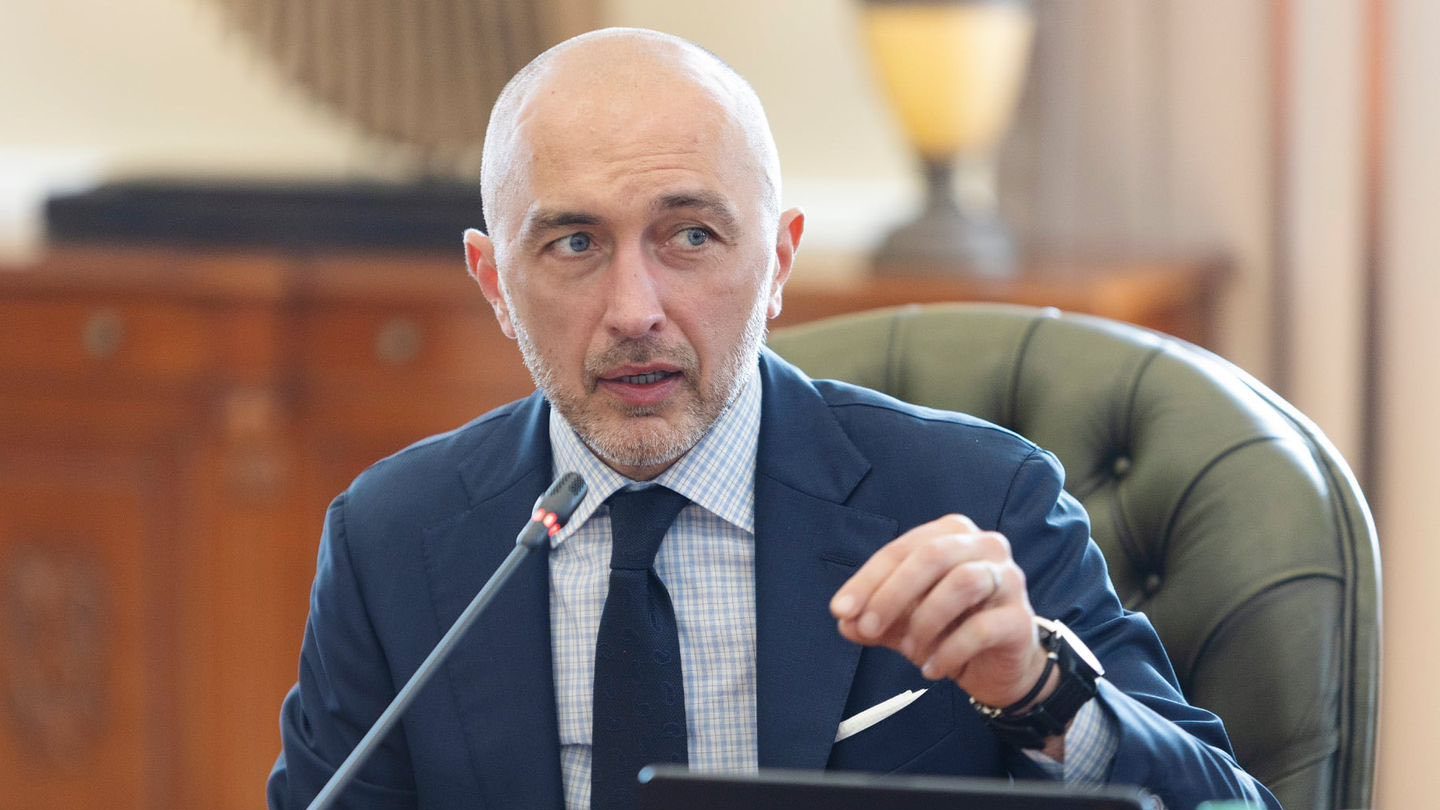
Ukrainian President Volodymyr Zelensky has grown increasingly frustrated with the head of the National Bank of Ukraine, Andriy Pyshnyy, according to sources cited by Bloomberg. The tension reportedly stems from the central bank governor’s close working relationship with the International Monetary Fund and the strict monetary policies being implemented during wartime conditions. This development highlights the growing friction between Ukraine’s political leadership and its financial institutions as the country navigates one of the most challenging periods in its modern history.
According to Bloomberg’s sources, President Zelensky is particularly irritated by the stringent conditions the IMF attaches to its financial support packages for Ukraine. The international lender has maintained its traditional approach of requiring fiscal discipline and structural reforms in exchange for funding, even as Ukraine fights an existential war against Russian aggression. These requirements include maintaining tight monetary policy, limiting fiscal deficits, and implementing anti-corruption measures that some in the Ukrainian government view as overly burdensome given the extraordinary circumstances the country faces.
The Role of the National Bank During Wartime
The National Bank of Ukraine has played a critical role in stabilizing the country’s economy since the full-scale Russian invasion began in February 2022. Under Pyshnyy’s leadership, the central bank has maintained relatively tight monetary policies, keeping interest rates elevated to combat inflation and preserve the value of the hryvnia. While these measures have helped prevent economic collapse and maintained a degree of financial stability, they have also created tension with government officials who argue that wartime conditions require more flexible economic policies to support military spending and social programs.
Pyshnyy, who took over as NBU governor in October 2022, has been instrumental in maintaining Ukraine’s relationship with the IMF. Under his tenure, Ukraine secured a landmark $15.6 billion Extended Fund Facility program in 2023, which was unprecedented for a country actively engaged in armed conflict. The IMF’s willingness to provide such substantial support was largely attributed to the central bank’s commitment to maintaining institutional independence and implementing sound monetary policies, even under extreme pressure.
IMF Conditions and Political Tensions
The International Monetary Fund’s involvement in Ukraine dates back decades, but the current program represents the largest and most complex engagement in the organization’s history with a country at war. The IMF has disbursed billions of dollars to Ukraine while requiring the government to meet specific benchmarks related to fiscal management, energy sector reforms, and anti-corruption efforts. Critics within the Ukrainian government argue that some of these conditions are inappropriate given the existential threat the country faces, while supporters maintain that institutional integrity and economic discipline are essential for long-term recovery and Western support.
The reported tension between Zelensky and Pyshnyy reflects a broader debate occurring in many countries about the appropriate balance between central bank independence and government economic priorities. In Ukraine’s case, this debate is intensified by the extraordinary circumstances of war. The government needs maximum fiscal flexibility to fund its defense efforts, while the central bank is tasked with preventing runaway inflation and maintaining currency stability. Finding the right balance between these competing priorities has proven challenging and has apparently created friction at the highest levels of Ukrainian leadership.
Implications for Ukraine’s Economic Future
The relationship between Ukraine’s political leadership and its central bank will have significant implications for the country’s economic trajectory and its standing with international partners. Western donors and financial institutions have consistently emphasized the importance of institutional independence and rule of law as conditions for continued support. Any perception that the central bank’s independence is being compromised could potentially affect Ukraine’s access to international financing at a critical moment when the country relies heavily on foreign aid to sustain both its war effort and basic government functions.
Economic analysts note that Ukraine’s situation requires a delicate balancing act between maintaining the confidence of international partners and addressing the immediate needs of a country at war. The country has received over $100 billion in combined military and financial assistance from Western allies since the invasion began, and maintaining this support is crucial for Ukraine’s survival. The reported tensions between Zelensky and Pyshnyy underscore the difficult trade-offs Ukrainian leaders must navigate as they seek to balance wartime necessities with the institutional frameworks that underpin international support.
Expert Opinion: The friction between President Zelensky and NBU Governor Pyshnyy reflects a classic wartime economic dilemma where short-term military and fiscal needs clash with long-term institutional stability. While political pressure on central banks is common during crises, Ukraine’s unique dependence on Western financial support means that any perceived erosion of central bank independence could backfire by undermining donor confidence. The most likely outcome is a continued uneasy compromise where the NBU maintains formal independence while quietly accommodating some government priorities, though this balancing act will become increasingly difficult as the war continues.