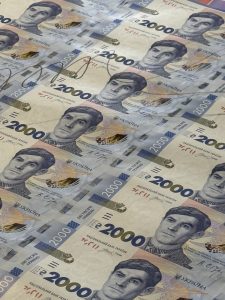
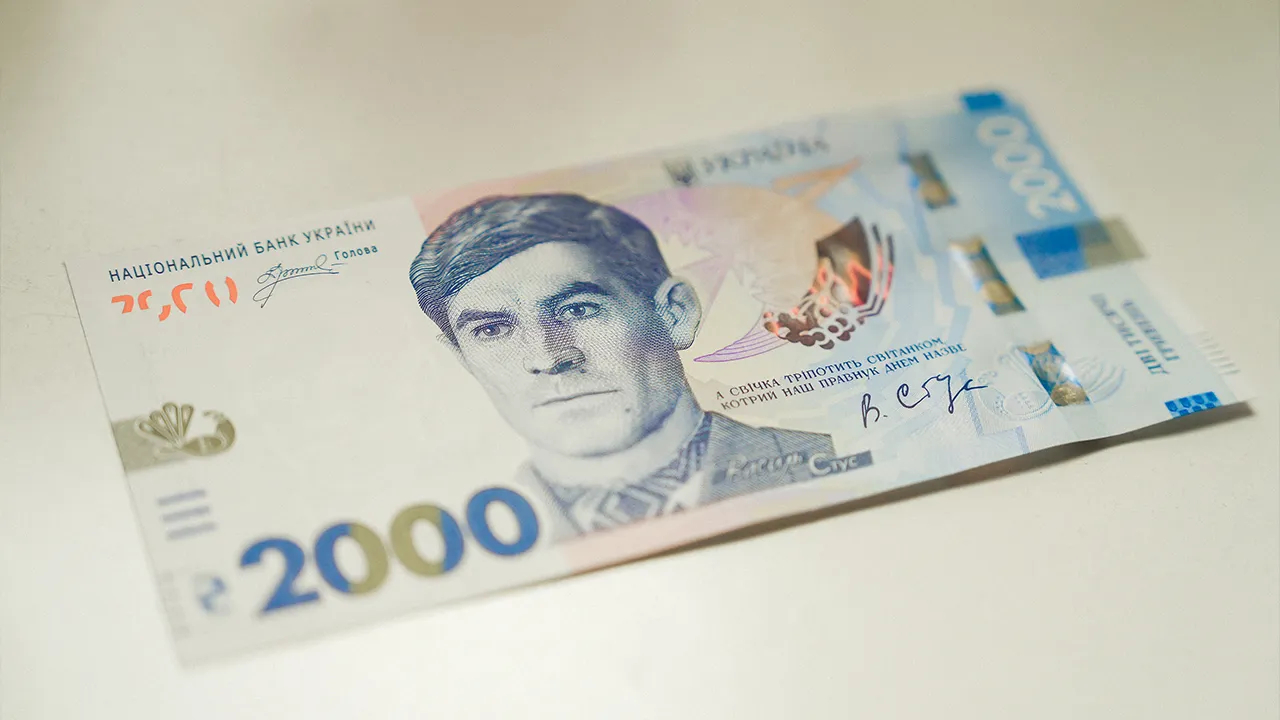
The National Bank of Ukraine (NBU) has announced plans to update the design of the 2000 hryvnia banknote following public controversy surrounding the typeface used on the currency. NBU Governor Andriy Pyshnyi addressed the concerns, denying allegations that the font was “stolen,” while simultaneously confirming that changes would be made to distance the national currency from any association with Russian citizens.
The decision comes amid heightened sensitivity in Ukraine regarding any cultural or commercial ties to Russia, as the country continues to defend itself against Russian military aggression. The controversy emerged when observers noted that the font used on the banknote may have been created by a designer holding Russian citizenship, prompting calls for the NBU to take action.
The Font Controversy Explained
The dispute centers on the origins of the typeface featured on Ukraine’s highest-denomination banknote currently in circulation. Critics alleged that the font was improperly obtained or had connections to Russian designers, raising both ethical and political concerns. Governor Pyshnyi firmly rejected claims that the font was plagiarized or stolen, stating that the NBU had properly licensed all design elements used in the currency’s production.
However, acknowledging the broader symbolic implications, Pyshnyi confirmed that the central bank would proceed with modifications to ensure the national currency carries no associations with the work of Russian nationals. This decision reflects Ukraine’s ongoing effort to sever cultural, economic, and symbolic ties with Russia across all sectors of society, including something as fundamental as the nation’s money.
Historical Context of Ukrainian Currency Design
The 2000 hryvnia note, introduced in 2019, represents a significant milestone in Ukraine’s monetary history. It was created to facilitate larger cash transactions and reduce the physical volume of currency needed for major purchases. The banknote features the portrait of renowned Ukrainian scholar Mykhailo Hrushevsky, the first head of the Ukrainian People’s Republic and a pivotal figure in Ukrainian statehood.
Currency design has always been a matter of national pride and identity for Ukraine. Since gaining independence in 1991, the country has continuously refined its banknote designs to better reflect Ukrainian history, culture, and aspirations. Each denomination celebrates prominent Ukrainian figures from history, literature, science, and politics, serving as miniature monuments to the nation’s heritage.
Broader Implications for Ukrainian Policy
The decision to redesign the banknote, even when the original design was legally sound, demonstrates the NBU’s commitment to responding to public sentiment during wartime. Since Russia’s full-scale invasion began in February 2022, Ukraine has undertaken comprehensive efforts to remove Russian influence from all aspects of public life, from renaming streets to removing monuments and revising educational curricula.
Financial experts note that while changing a banknote’s typography might seem like a minor adjustment, it carries significant symbolic weight during a period when national identity and resistance to Russian aggression are paramount concerns for Ukrainian citizens. The move also reflects the NBU’s responsiveness to public opinion and its understanding that currency serves not just an economic function but also represents national sovereignty and cultural independence.
The timeline for implementing the redesigned banknote has not been specified, though such changes typically require months of preparation to ensure security features are properly integrated and counterfeit prevention measures remain effective. The NBU has assured citizens that existing 2000 hryvnia notes will remain valid legal tender throughout any transition period.
Expert Opinion: This decision by the NBU represents a calculated balance between legal compliance and symbolic politics during wartime. While the original font licensing was apparently legitimate, the central bank recognizes that public trust in national institutions extends beyond legal technicalities to encompass broader cultural sensitivities. Expect similar scrutiny of Russian-connected elements across other Ukrainian state symbols and official documents in the coming months, as de-russification efforts continue to reshape the nation’s visual and cultural landscape.