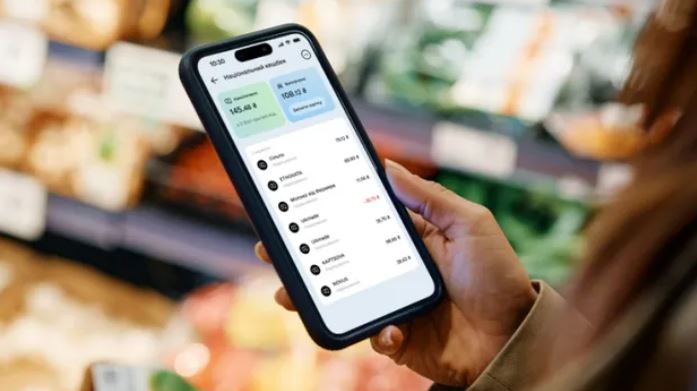
The National Cashback program continues its steady expansion despite recent governmental changes and the appointment of a new Minister of Economy. Two additional banking institutions have officially joined the initiative, bringing the total number of participating banks to 22. This growth demonstrates the program’s resilience and sustained appeal among financial institutions, even as political leadership transitions occur at the highest levels of government.
The cashback initiative, designed to stimulate domestic consumption and support local businesses, has proven remarkably stable through periods of administrative change. Economic experts have noted that such continuity is essential for building consumer confidence and ensuring the long-term success of nationwide financial programs. The addition of new banking partners significantly expands the program’s reach, potentially bringing benefits to millions of additional customers who previously lacked access to these rewards.
Understanding the National Cashback Initiative
National cashback programs have become increasingly popular tools for governments seeking to boost domestic economic activity. These initiatives typically work by returning a percentage of purchases made at local businesses directly to consumers’ accounts, creating a powerful incentive for citizens to shop domestically rather than seeking foreign alternatives. The mechanics are straightforward: consumers make purchases using participating bank cards, and a predetermined percentage of their spending is credited back to their accounts, usually within a specified timeframe.
The program’s expansion to 22 participating banks represents a significant milestone in its development. When such initiatives launch, they often begin with a handful of major financial institutions before gradually attracting smaller regional banks and credit unions. This organic growth pattern suggests that early participants have found value in the program, encouraging others to join. For consumers, having more banking options means greater flexibility and accessibility, particularly for those in rural areas where certain banks may have stronger presence than others.
Impact of Government Transition on Economic Programs
The continuation of the National Cashback program through a change in government leadership speaks to its fundamental soundness as economic policy. When new ministers take office, they often review existing programs and may choose to modify, expand, or discontinue them based on their policy priorities. The fact that this program not only survived the transition but continues to attract new participants suggests broad consensus on its value. Political analysts note that consumer-facing programs with tangible benefits tend to enjoy bipartisan support, as they deliver visible results to voters across the political spectrum.
Economic stimulus programs like national cashback initiatives require careful coordination between government agencies and private financial institutions. The Ministry of Economy typically sets the parameters, including eligible purchase categories, cashback percentages, and spending limits, while banks handle the technical implementation and customer interface. This public-private partnership model has proven effective in numerous countries, balancing governmental oversight with the operational expertise of the banking sector. The new minister’s decision to maintain and support the program’s expansion indicates a pragmatic approach to economic management.
Future Prospects and Economic Implications
With 22 banks now participating, the National Cashback program has achieved substantial market coverage. Industry observers estimate that this number of participating institutions could represent access for the majority of the country’s banking customers. However, opportunities for further growth remain, particularly among smaller regional banks and digital-only financial institutions that have emerged in recent years. The program’s administrators may also consider expanding eligible purchase categories or adjusting cashback rates to maximize economic impact.
The broader economic implications of such programs extend beyond immediate consumer benefits. By encouraging domestic spending, these initiatives support local businesses, preserve jobs, and keep money circulating within the national economy. Research from similar programs in other countries has shown positive effects on retail sales, small business revenue, and overall consumer confidence. As the program matures, economists will be watching closely to measure its effectiveness and identify potential improvements for future iterations.
Expert Opinion: The expansion of the National Cashback program to 22 participating banks demonstrates institutional momentum that transcends political cycles, a critical factor for long-term program success. Given current economic conditions, we anticipate continued growth in participation, potentially reaching 25-30 banks by year’s end, with possible expansion of eligible categories to include services beyond retail purchases. The key metric to watch will be whether increased accessibility translates into measurable growth in domestic consumption figures over the coming quarters.