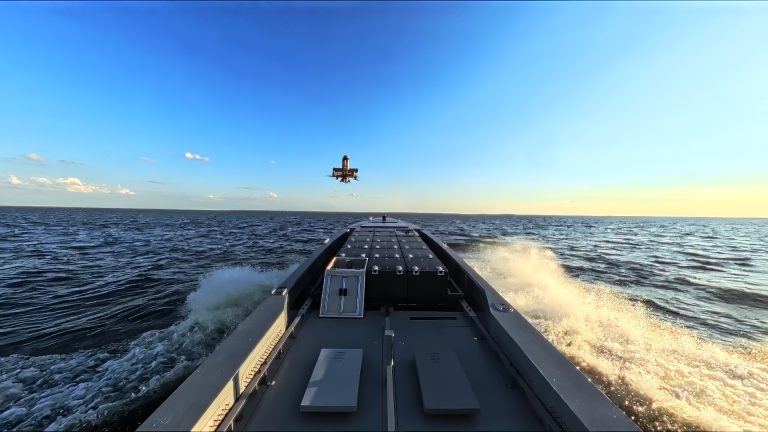
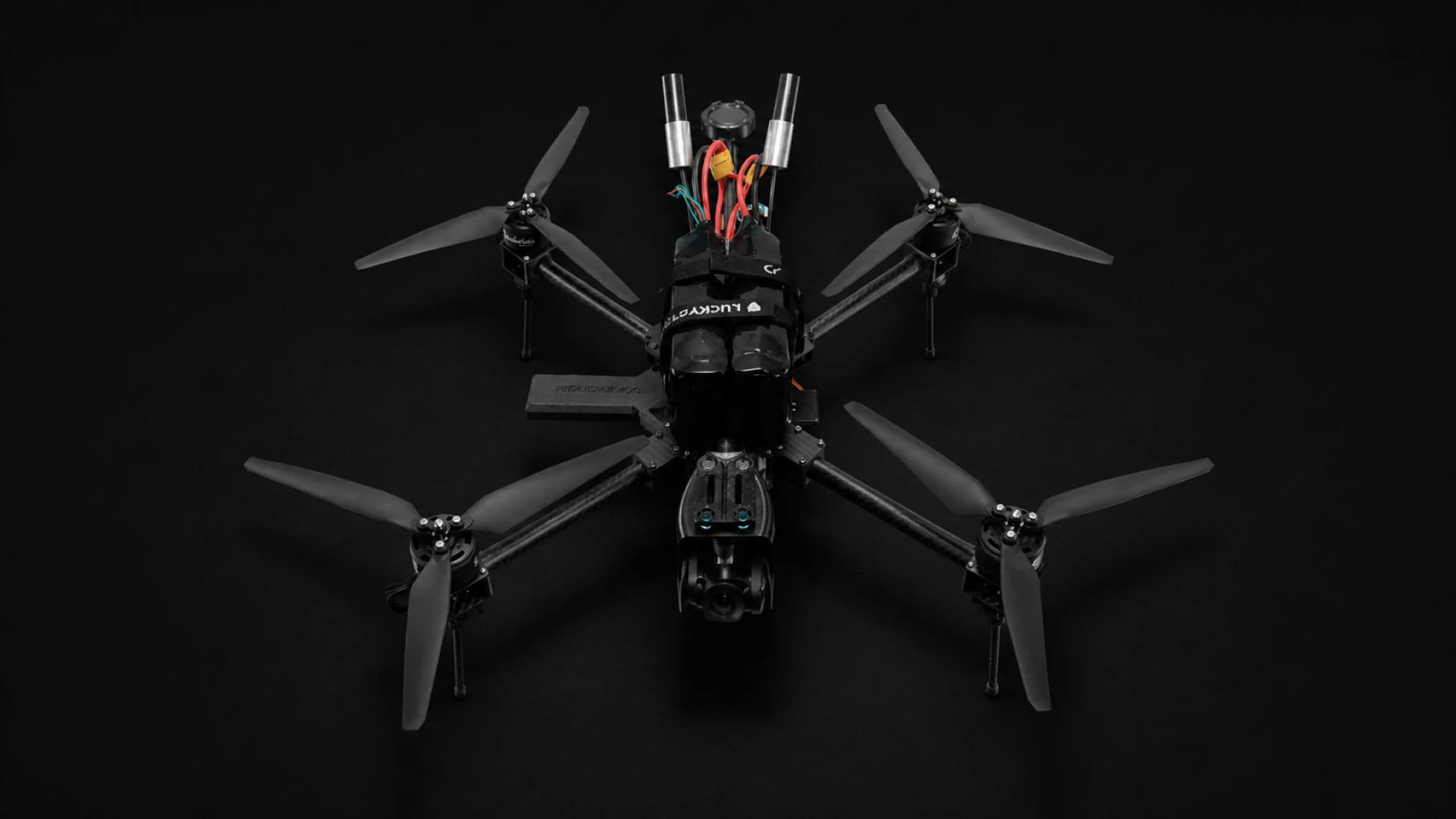
Ukraine’s defense technology sector has achieved another significant milestone with the announcement that the Lucky Strike-2.1 drone has been equipped with an advanced navigation system that operates independently of GPS signals. This breakthrough development addresses one of the most critical vulnerabilities facing unmanned aerial vehicles in modern warfare, where electronic warfare systems are increasingly capable of jamming or spoofing satellite navigation signals. The upgraded drone maintains its impressive capability of delivering up to three munitions in a single sortie, making it a formidable asset on the battlefield.
Overcoming Electronic Warfare Challenges
The integration of GPS-free navigation technology represents a crucial advancement in Ukraine’s drone warfare capabilities. Since the beginning of the full-scale conflict, both sides have deployed sophisticated electronic warfare systems designed to disrupt enemy communications and navigation systems. Russian forces have been particularly active in deploying GPS jamming equipment, which can render conventional drones ineffective by preventing them from maintaining accurate positioning data. The new navigation system on the Lucky Strike-2.1 likely employs a combination of alternative technologies, potentially including inertial navigation systems, visual odometry, terrain-matching algorithms, or other sensor fusion techniques that allow the drone to maintain its course even in heavily contested electronic environments.
Military analysts have noted that GPS-independent navigation has become one of the most sought-after capabilities in modern drone development worldwide. The technology allows operators to conduct missions in areas where satellite signals are degraded or completely unavailable, significantly expanding the operational envelope of unmanned systems. This development places Ukrainian drone technology on par with some of the most advanced military systems globally and demonstrates the country’s rapidly evolving defense industrial base.
The Lucky Strike Platform Evolution
The Lucky Strike series of drones has undergone continuous development throughout the conflict, with Ukrainian engineers rapidly iterating on designs based on real-world combat feedback. The 2.1 variant represents the latest evolution of the platform, incorporating lessons learned from thousands of combat sorties. The drone’s ability to carry and deploy up to three separate munitions in a single flight makes it exceptionally efficient for strike missions, allowing operators to engage multiple targets or ensure destruction of hardened positions without requiring multiple aircraft.
Ukraine has emerged as a global leader in combat drone innovation, driven by the urgent demands of the ongoing conflict and a vibrant ecosystem of volunteer organizations, private companies, and government initiatives. The country produces hundreds of thousands of drones annually, ranging from small first-person view quadcopters to larger fixed-wing systems like the Lucky Strike. This indigenous production capability has proven essential in maintaining combat effectiveness while reducing dependence on foreign military aid for certain categories of equipment.
Strategic Implications for Modern Warfare
The development of GPS-independent drone systems carries significant implications for the future of warfare beyond the Ukrainian battlefield. Military strategists worldwide are closely observing how these technologies perform in combat conditions, as the lessons learned will likely influence defense procurement and development priorities globally. The ability to operate effectively in GPS-denied environments is particularly relevant for potential conflicts in regions where adversaries possess advanced electronic warfare capabilities.
The Ukrainian defense industry’s rapid innovation cycle has attracted international attention and investment. Western allies have increasingly recognized the value of Ukrainian combat experience and technological development, leading to various cooperation agreements and technology-sharing arrangements. The GPS-free navigation system could potentially be adapted for use in other drone platforms or even exported to allied nations seeking similar capabilities for their own defense needs. As the conflict continues, Ukraine’s drone technology sector shows no signs of slowing its pace of innovation, with new developments emerging regularly from workshops and laboratories across the country.
Expert Opinion: The integration of GPS-independent navigation into tactical drones like the Lucky Strike-2.1 signals a fundamental shift in unmanned systems development priorities worldwide. As electronic warfare capabilities proliferate among state and non-state actors, we can expect GPS-free navigation to become a standard requirement rather than a premium feature in military drones within the next five to ten years. Ukraine’s real-world testing environment is accelerating this technological evolution by decades compared to peacetime development cycles.