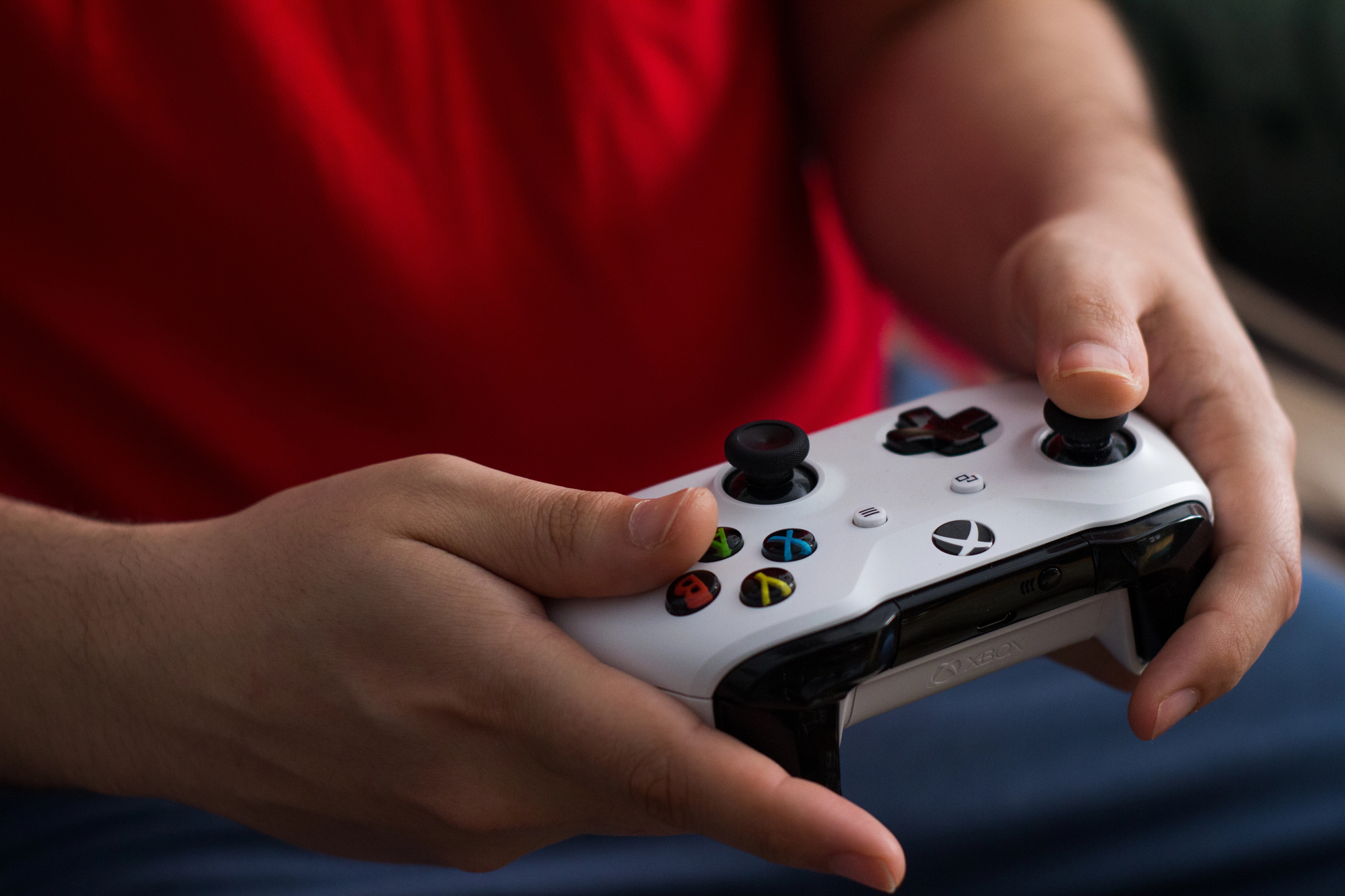
In a landmark consumer rights case that has captured the attention of gaming communities worldwide, a Brazilian court has ruled in favor of a gamer whose Xbox account was permanently banned by Microsoft. The court not only ordered the technology giant to restore the player’s account but also awarded compensation of 2,000 Brazilian reais (approximately $400) for the damages suffered. This decision marks a significant moment in the ongoing debate about digital ownership rights and the power that major gaming corporations hold over their users’ virtual assets and purchases.
The Case and Court Decision
The Brazilian gamer filed a lawsuit against Microsoft after discovering that their Xbox Live account had been permanently suspended without what they considered adequate justification or due process. Like millions of Xbox users worldwide, the plaintiff had invested considerable time and money into their gaming account, accumulating digital game purchases, achievements, saved progress, and online subscriptions over years of loyal platform use. When the ban was implemented, the gamer lost access to all of these digital assets instantaneously, prompting them to seek legal recourse.
The Brazilian court’s ruling emphasized the importance of consumer protection in the digital age. The judge found that Microsoft had failed to provide sufficient evidence to justify the permanent ban and had not followed proper procedures in notifying and allowing the user to contest the decision. Under Brazilian consumer protection law, which is considered one of the most robust in Latin America, companies are required to maintain transparency in their dealings with customers and cannot arbitrarily terminate services without proper cause and documentation.
Digital Ownership and Consumer Rights
This case highlights a growing concern among gamers and digital rights advocates about the nature of ownership in the modern gaming era. When consumers purchase digital games, they are technically buying licenses to use the software rather than owning the games outright. This means that platform holders like Microsoft, Sony, and Nintendo maintain ultimate control over users’ access to their purchased content. If an account is banned or terminated, users can potentially lose access to hundreds or even thousands of dollars worth of digital purchases.
The situation becomes even more complex when considering that modern gaming accounts often represent years of accumulated progress, social connections, and personalized content. Xbox accounts are linked to achievements, friends lists, cloud saves, and subscription services like Xbox Game Pass. A permanent ban effectively erases a gamer’s entire digital identity on the platform. Consumer advocacy groups have long argued that such broad termination powers, combined with often vague terms of service agreements, create an imbalanced relationship between gaming companies and their customers.
Historical Context and Industry Practices
Microsoft’s Xbox Live service, launched in 2002, pioneered the modern era of online console gaming and established many of the account-based systems that are now standard across the industry. While these systems have enabled unprecedented connectivity and digital content delivery, they have also created new challenges for consumer rights. Account bans were initially rare and typically reserved for serious offenses such as cheating or harassment, but as online gaming has grown, so too have the instances of disputed bans and account terminations.
This Brazilian ruling is not entirely unprecedented. Courts in various countries, including those in the European Union, have increasingly sided with consumers in disputes over digital goods and services. The EU’s strong consumer protection framework has led to several rulings requiring gaming companies to provide refunds for digital purchases under certain circumstances. However, cases specifically ordering the restoration of banned accounts remain relatively uncommon, making this Brazilian decision particularly noteworthy for establishing legal precedent in the region.
Implications for the Gaming Industry
The ruling could have broader implications for how gaming companies handle account suspensions and bans in Brazil and potentially other markets with similar consumer protection laws. Legal experts suggest that companies may need to implement more robust appeal processes and maintain better documentation of violations to justify account terminations in court. The relatively modest compensation amount of $400 may seem small for a company of Microsoft’s size, but the reputational impact and the potential for similar lawsuits could prompt changes in corporate policy. As the gaming industry continues to shift toward digital distribution and service-based models, the question of what rights consumers retain over their purchases and accounts will only become more pressing.
Expert Opinion: This ruling signals a growing judicial recognition that digital gaming accounts represent significant consumer investments deserving legal protection. As more countries examine the imbalance of power between platform holders and users, we can expect gaming companies to proactively revise their terms of service and ban appeal processes to avoid similar litigation. The era of unilateral, unexplained account terminations may be drawing to a close in jurisdictions with strong consumer protection frameworks.