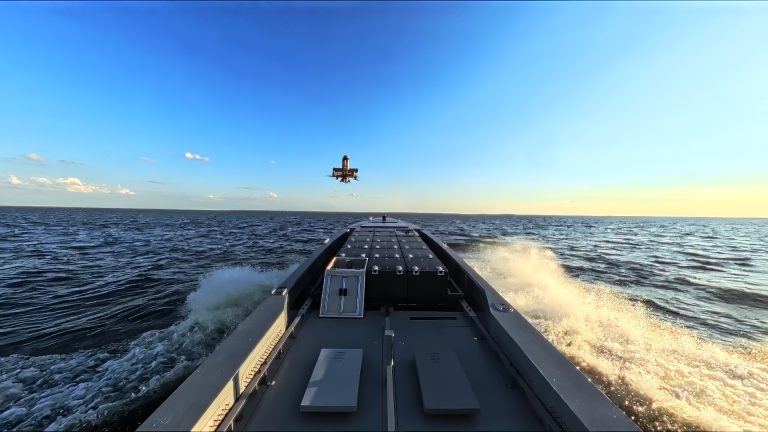
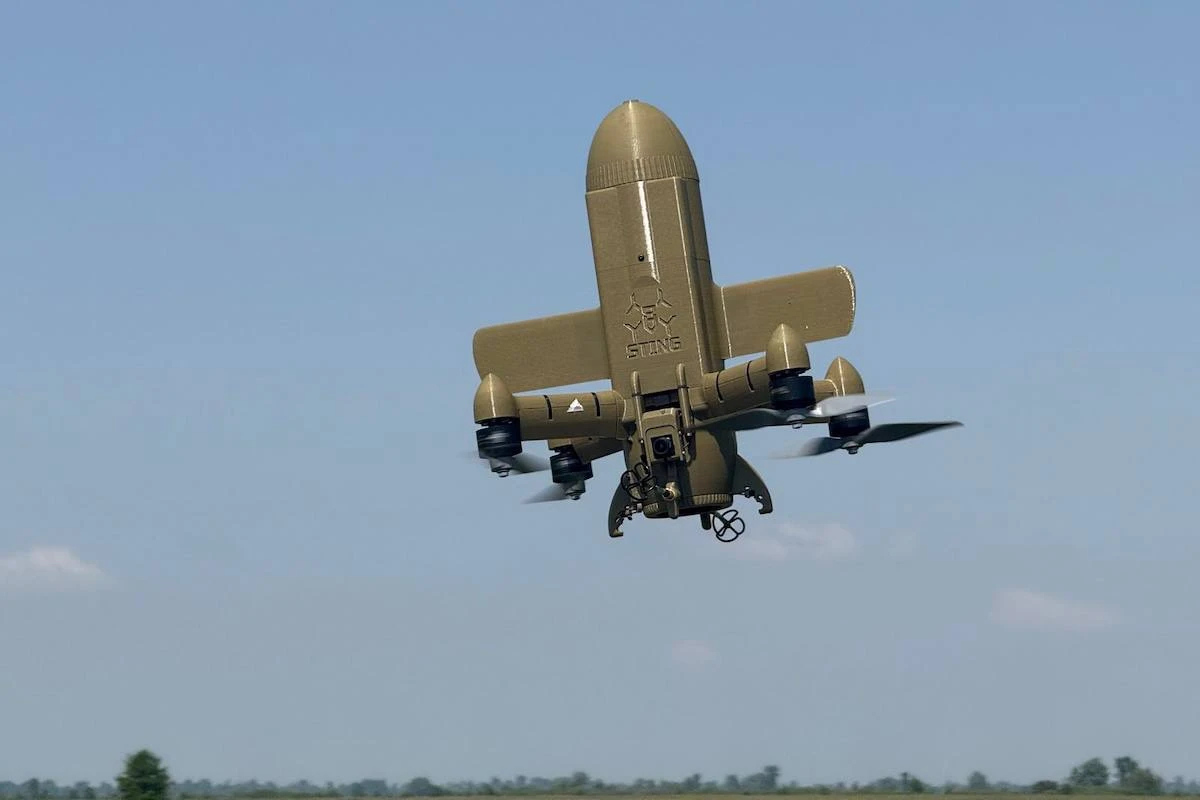
Ukrainian armed forces have achieved a significant milestone in air defense operations, setting a new altitude record for the domestically developed Sting anti-drone system. The sophisticated electronic warfare platform successfully neutralized a Russian reconnaissance unmanned aerial vehicle flying at an altitude exceeding 7 kilometers, marking an unprecedented achievement for this class of counter-drone technology. This breakthrough demonstrates the rapid evolution of Ukrainian defense capabilities amid the ongoing conflict with Russia.
Technical Achievement and Strategic Implications
The successful interception at such extreme altitude represents a major leap forward in Ukraine’s ability to counter Russian aerial surveillance. Most portable or vehicle-mounted electronic warfare systems typically operate effectively at altitudes between 2 to 4 kilometers, making this engagement particularly noteworthy. The Sting system, developed by Ukrainian defense manufacturers in response to the urgent needs of the battlefield, utilizes advanced signal jamming and GPS spoofing technologies to disrupt drone communications and navigation systems.
Russian reconnaissance drones operating at high altitudes have posed persistent challenges for Ukrainian forces since the beginning of the full-scale invasion in February 2022. These UAVs, often flying beyond the reach of conventional small arms and many portable air defense systems, provide Russian military commanders with crucial intelligence for artillery targeting and troop movement tracking. The ability to neutralize such threats at over 7 kilometers altitude significantly expands Ukraine’s defensive envelope and could force Russian operators to alter their surveillance tactics.
Evolution of Ukrainian Drone Defense Capabilities
Ukraine’s development of indigenous counter-drone systems like Sting reflects a broader trend of battlefield innovation driven by necessity. Since the conflict began, both sides have extensively employed unmanned systems for reconnaissance, artillery spotting, and direct attacks. This has sparked an intense technological competition in electronic warfare, with Ukrainian engineers rapidly iterating on designs based on real-world combat feedback. The defense industry has mobilized to produce systems that can be manufactured domestically despite supply chain challenges and ongoing hostilities.
The Sting system joins a growing arsenal of Ukrainian-made electronic warfare tools that have proven effective against various Russian drone models, including the Orlan-10 reconnaissance platform and the Iranian-designed Shahed loitering munitions. Military analysts note that such systems are considerably more cost-effective than traditional anti-aircraft missiles, which can cost hundreds of thousands of dollars per launch. Electronic warfare solutions allow multiple engagements without depleting expensive munition stocks, making them particularly valuable for sustained defensive operations.
Broader Context of the Air Defense Battle
This achievement comes as Ukraine continues to bolster its multi-layered air defense network with both Western-supplied systems and domestically produced solutions. The country has received various platforms from international partners, including Patriot batteries, NASAMS, and IRIS-T systems, but these sophisticated weapons are primarily reserved for countering larger threats like cruise missiles and manned aircraft. Systems like Sting fill a crucial gap in the defensive architecture by handling the proliferating drone threat efficiently and economically.
The ongoing drone warfare in Ukraine has essentially turned the conflict into a proving ground for next-generation military technologies. Both nations are continuously adapting their strategies based on the successes and failures observed on the battlefield. Ukraine’s ability to innovate and deploy effective counter-measures despite fighting a larger adversary has drawn attention from military observers worldwide, who see lessons applicable to future conflicts where drone warfare will likely play an even larger role.
Expert Opinion: This altitude record signals a maturation of Ukrainian electronic warfare capabilities that could reshape high-altitude reconnaissance tactics across the entire front. If Sting systems can be produced at scale and distributed widely, Russian commanders may face significant intelligence gaps, potentially degrading their artillery effectiveness by 15-20%. We should expect Moscow to respond with counter-measures, including frequency-hopping communications and autonomous navigation modes, accelerating the technological arms race in this domain.