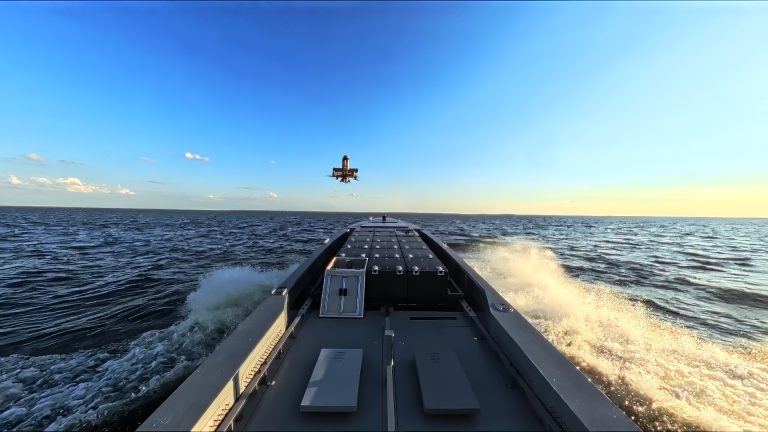
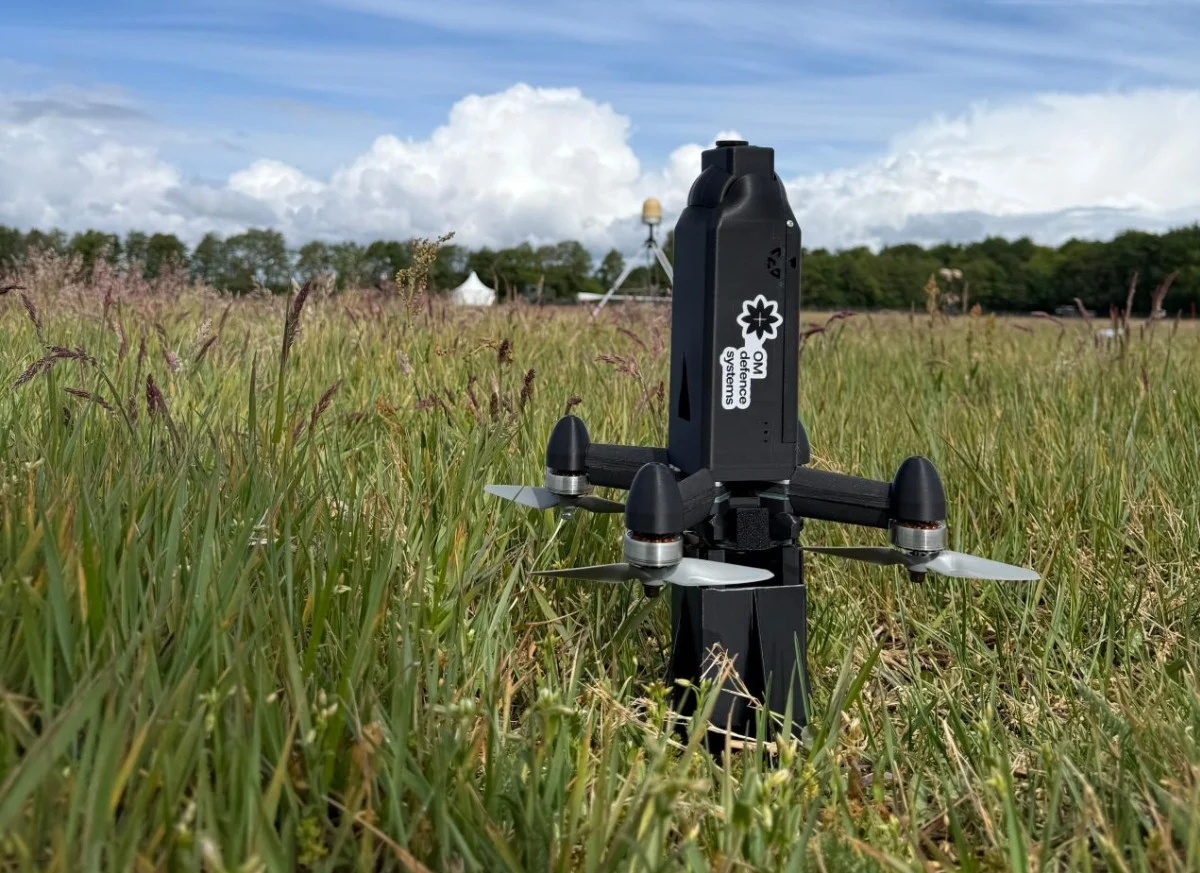
In a significant advancement for counter-drone technology, British defense company OM Defence Systems has unveiled the X7, an autonomous interceptor drone designed to neutralize hostile unmanned aerial vehicles at speeds exceeding 400 kilometers per hour. The development represents a major leap forward in addressing the growing threat posed by small, low-cost drones that have become increasingly prevalent in both military and civilian contexts around the world.
The X7 interceptor emerges at a critical time when nations worldwide are scrambling to develop effective countermeasures against drone threats. From battlefields in Ukraine to security concerns at major airports and critical infrastructure, the proliferation of commercially available drones has created unprecedented challenges for defense establishments globally. Traditional air defense systems, designed primarily to counter larger aircraft and missiles, often struggle to detect and neutralize small, agile drones that can cost as little as a few hundred dollars.
Technical Specifications and Operational Capabilities
The X7 autonomous interceptor boasts impressive specifications that set it apart from many existing counter-drone solutions. With a top speed exceeding 400 kilometers per hour, the X7 can rapidly respond to drone incursions and pursue targets that might otherwise evade slower interceptors. The system’s autonomous capabilities mean it can identify, track, and engage hostile drones with minimal human intervention, reducing response times and the potential for operator error in high-pressure situations.
OM Defence Systems has designed the X7 to address the asymmetric cost problem that plagues current counter-drone strategies. Many existing solutions, such as surface-to-air missiles or electronic warfare systems, cost significantly more than the drones they are designed to counter. This creates an economically unsustainable situation where defenders spend thousands of dollars to neutralize threats costing mere hundreds. The X7 aims to provide a more cost-effective solution while maintaining high intercept success rates.
The Growing Global Drone Threat
The development of systems like the X7 reflects broader concerns within the defense community about the evolving nature of aerial threats. The conflict in Ukraine has particularly highlighted the game-changing impact of drone warfare, with both sides employing thousands of unmanned systems for reconnaissance, attack, and logistics purposes. First-person view (FPV) drones, in particular, have proven devastatingly effective against armored vehicles and fortified positions, fundamentally changing modern battlefield dynamics.
Beyond military applications, civilian authorities have also expressed growing concern about drone-related security risks. Incidents involving drones near airports have caused significant disruptions to commercial aviation, while concerns about potential terrorist attacks using commercially available drones have prompted governments to invest heavily in counter-drone research and development. Critical infrastructure, including power plants, government buildings, and public gathering places, all face potential threats from malicious drone operators.
Britain’s Position in the Defense Technology Sector
The X7 development underscores Britain’s continued commitment to maintaining a cutting-edge defense technology sector despite the challenges of competing with larger economies. British companies have historically been at the forefront of aerospace and defense innovation, and initiatives like the X7 demonstrate that this tradition continues. The UK government has emphasized the importance of developing sovereign defense capabilities, particularly in emerging technology areas such as autonomous systems and artificial intelligence.
Industry analysts note that the market for counter-drone systems is expected to grow substantially over the coming decade, with estimates suggesting the global market could reach tens of billions of dollars annually. Companies that establish themselves as leaders in this space now could secure significant advantages as demand continues to increase. OM Defence Systems appears to be positioning itself to capture a substantial share of this growing market with the X7 and potentially future iterations of the technology.
Expert Opinion: The X7 interceptor represents a crucial evolution in counter-drone warfare, addressing the critical speed and autonomy gaps that have hampered previous defensive systems. As drone swarm tactics become more sophisticated, autonomous interceptors capable of rapid independent engagement decisions will become essential components of any comprehensive air defense strategy. We can expect significant investment in similar technologies from major defense contractors worldwide over the next three to five years.