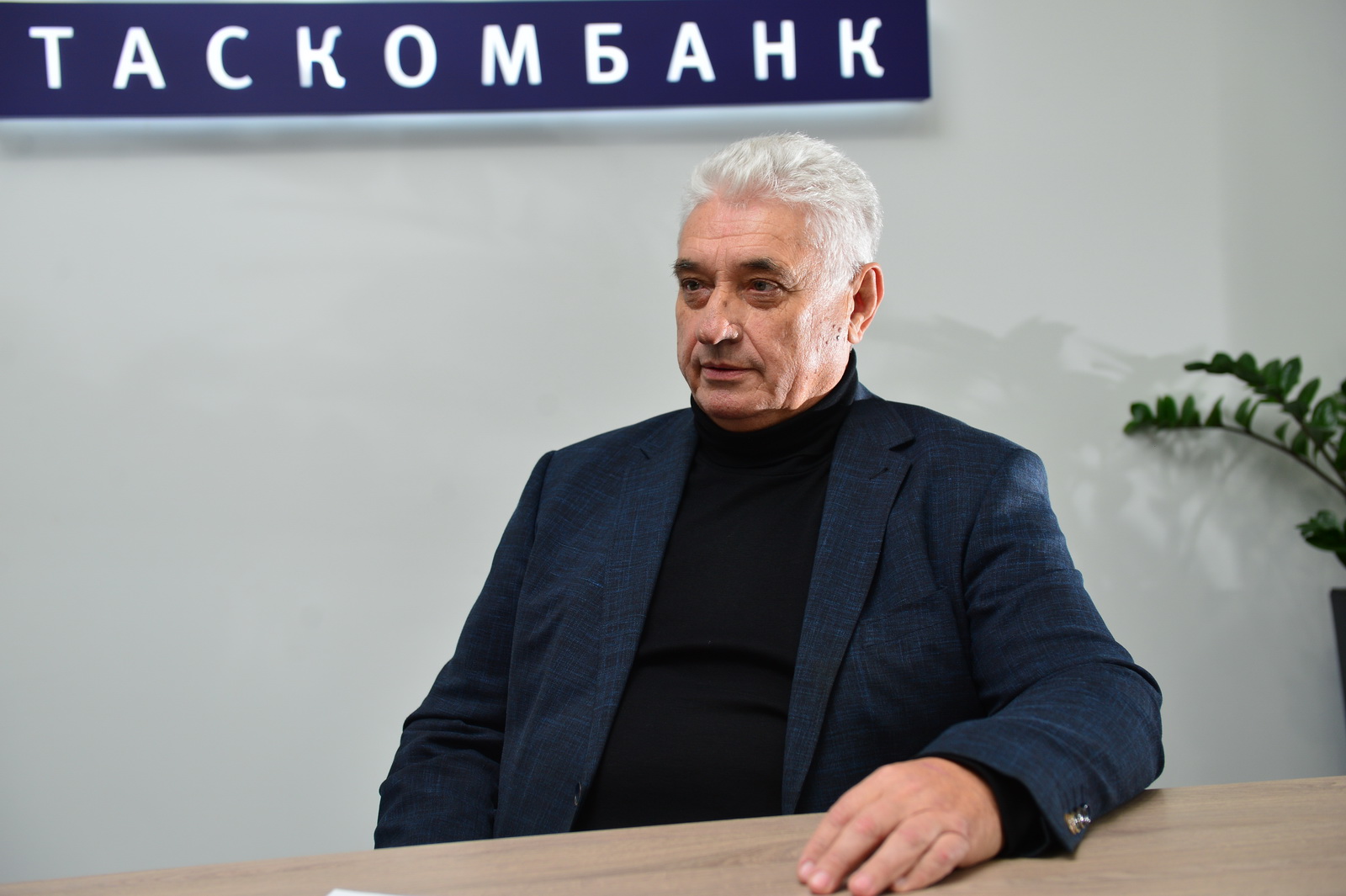
In a candid interview, Volodymyr Dubei, the head of TAScombank, shared his insights on the Ukrainian banking sector’s current challenges and opportunities. The executive discussed the ongoing consolidation of banks owned by businessman Serhiy Tihipko, the institution’s impressive financial results showing 1 billion hryvnias in net profit, and addressed the increasingly important question of why mobile banking applications like monobank continue to dominate the digital finance space in Ukraine.
Strategic Merger of Tihipko’s Banking Assets
The consolidation of banking assets belonging to oligarch Serhiy Tihipko represents one of the most significant developments in Ukraine’s financial sector in recent years. TAScombank has been at the center of this strategic reorganization, which aims to create a more competitive and efficient banking entity capable of withstanding market pressures. The merger process involves combining resources, technology platforms, and customer bases to achieve economies of scale that smaller individual banks simply cannot match in today’s challenging environment.
This consolidation trend reflects broader patterns seen across European banking markets, where regulatory pressures and technological demands have pushed financial institutions toward larger, more resilient structures. For Ukrainian banks specifically, the ongoing war and economic uncertainty have accelerated the need for such strategic moves. Industry analysts note that banks with stronger capital bases and diversified portfolios are better positioned to serve both corporate clients and individual depositors during times of economic volatility.
Impressive Financial Performance Despite Challenges
TAScombank’s achievement of 1 billion hryvnias in net profit demonstrates remarkable resilience in an economy still grappling with the effects of war and global economic headwinds. This financial performance places the institution among the more successful players in Ukraine’s banking landscape, which has seen significant upheaval since Russia’s full-scale invasion began in February 2022. The National Bank of Ukraine has maintained strict oversight of the sector, and institutions that have managed to remain profitable while meeting regulatory requirements have earned recognition for their management capabilities.
The path to profitability has required careful navigation of numerous challenges, including managing non-performing loans, maintaining adequate liquidity, and continuing to serve customers in regions affected by military operations. Ukrainian banks have had to implement robust risk management frameworks while simultaneously investing in digital infrastructure to meet changing customer expectations. The sector as a whole has shown surprising strength, with the central bank reporting that most major financial institutions have maintained positive capital adequacy ratios throughout the crisis period.
The Monobank Phenomenon and Digital Competition
Dubei’s acknowledgment that monobank’s application leads the market touches on one of the most fascinating developments in Ukrainian fintech. Launched in 2017, monobank has revolutionized how Ukrainians interact with financial services, building a customer base of millions through its user-friendly interface, innovative features, and aggressive cashback programs. The app’s success has forced traditional banks to dramatically accelerate their digital transformation efforts or risk losing market share to more agile competitors.
The statement that “banking services cannot be free for everyone” reflects an important economic reality that the industry must communicate to consumers. Digital banks and neobanks have often operated with generous promotional offers and minimal fees to acquire customers, but sustainable business models eventually require revenue generation. Traditional institutions like TAScombank must balance competitive pressure from free services while maintaining the infrastructure, security systems, and regulatory compliance that ensure customer deposits remain safe.
Future Outlook for Ukrainian Banking
Looking ahead, the Ukrainian banking sector faces both significant challenges and opportunities. Post-war reconstruction will require massive capital flows, creating opportunities for well-positioned banks to finance infrastructure projects, business expansion, and housing development. International financial institutions have signaled their readiness to support Ukraine’s recovery, and domestic banks that have maintained strong balance sheets will be essential partners in channeling these resources effectively. The continued development of digital services, combined with traditional banking strengths, will likely define which institutions emerge as leaders in the coming decade.
Expert Opinion: The consolidation of Ukrainian banking assets under strong management teams like TAScombank’s leadership represents a healthy maturation of the financial sector. As competition intensifies between traditional banks and digital-first challengers like monobank, consumers will benefit from improved services, but the industry must find sustainable pricing models. Banks that successfully balance digital innovation with sound financial management will be best positioned to support Ukraine’s economic recovery and long-term growth.