
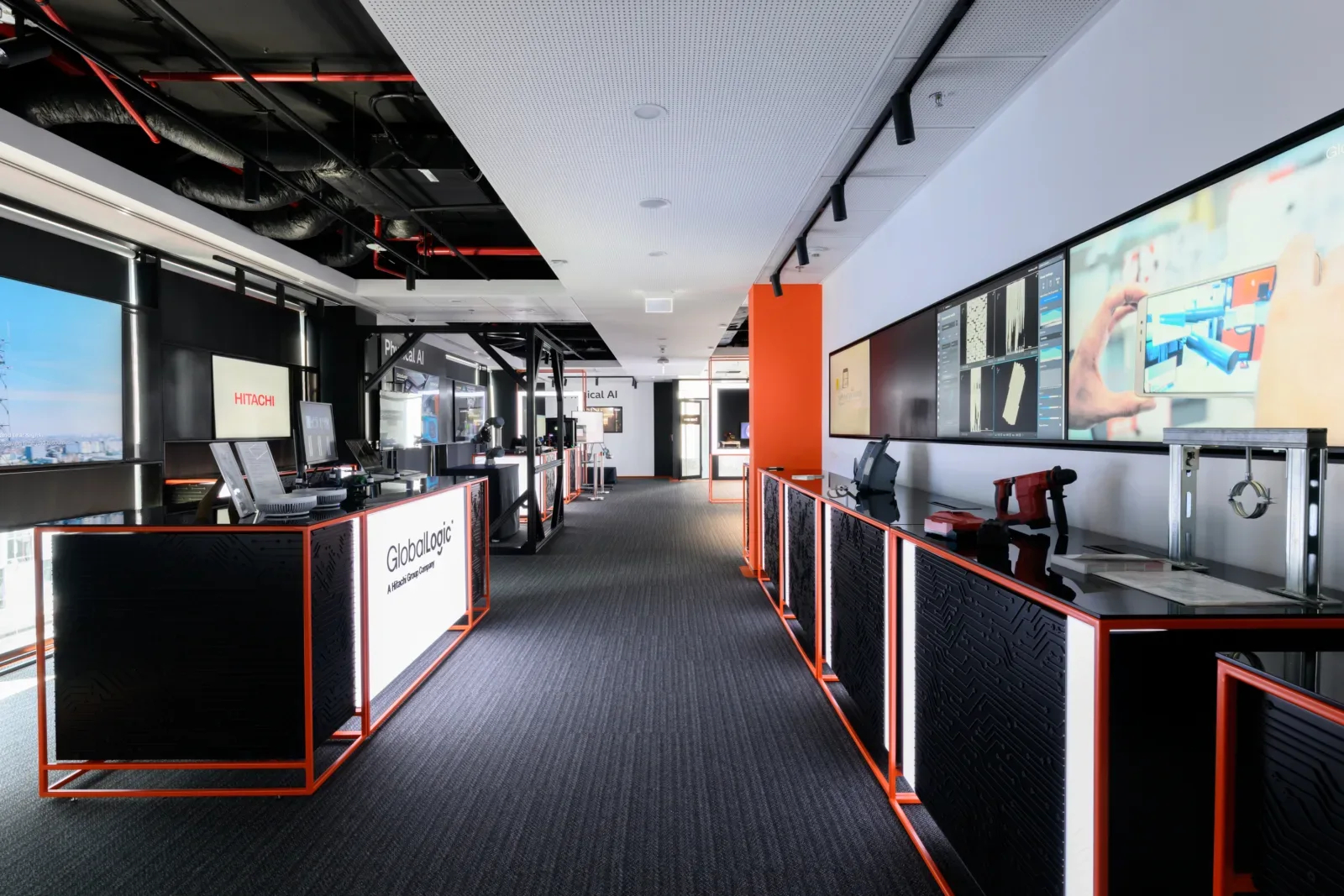
GlobalLogic, a leading digital engineering company and a Hitachi Group subsidiary, has announced the opening of an innovative Physical AI demonstration zone in Europe. This cutting-edge facility showcases advanced robotics systems and digital twin technologies, representing the culmination of more than 25 years of embedded systems development expertise. The demo zone aims to provide clients and partners with hands-on experience of next-generation industrial solutions that bridge the gap between physical and digital worlds.
The establishment of this European demonstration facility marks a significant milestone in the evolution of industrial automation and artificial intelligence integration. Physical AI represents a paradigm shift in how machines interact with their environment, combining sophisticated sensor networks, machine learning algorithms, and real-time data processing to create autonomous systems capable of adapting to complex real-world conditions.
The Evolution of Physical AI and Digital Twin Technology
Digital twin technology has emerged as one of the most transformative innovations in modern manufacturing and engineering. These virtual replicas of physical systems enable engineers and operators to simulate, predict, and optimize performance without risking actual equipment or disrupting operations. The global digital twin market has experienced explosive growth, with industry analysts projecting it to exceed $150 billion by 2030, driven by increasing adoption across manufacturing, healthcare, urban planning, and aerospace sectors.
GlobalLogic’s expertise in embedded systems development provides a crucial foundation for these advanced technologies. Embedded systems form the backbone of modern robotics and IoT infrastructure, controlling everything from industrial automation equipment to autonomous vehicles. The company’s quarter-century of experience in this field has positioned it at the forefront of the Physical AI revolution, enabling the creation of systems that seamlessly integrate hardware and software components.
Strategic Importance of European Expansion
The decision to establish this demonstration zone in Europe reflects the region’s growing importance as a hub for industrial innovation and digital transformation. European manufacturers have been increasingly investing in Industry 4.0 technologies, driven by both competitive pressures and sustainability mandates from the European Union. The continent’s strong regulatory framework around data protection and AI ethics also makes it an ideal testing ground for responsible AI deployment in physical systems.
This facility joins a global network of technology demonstration centers that allow potential clients to experience cutting-edge solutions firsthand. Unlike traditional sales presentations or technical documentation, these immersive environments enable decision-makers to witness the practical applications and tangible benefits of robotics and digital twin implementations. Visitors can observe autonomous systems in action, interact with digital twin interfaces, and understand how these technologies can address specific challenges in their industries.
Future Applications and Industry Impact
The convergence of Physical AI, robotics, and digital twins promises to revolutionize multiple sectors beyond traditional manufacturing. Healthcare facilities are beginning to deploy robotic systems guided by AI for precision surgery and patient care. Smart cities are utilizing digital twins to optimize traffic flow, energy distribution, and emergency response. Agricultural operations are implementing autonomous machinery that can adapt to changing field conditions in real-time.
For GlobalLogic and its parent company Hitachi, this European demonstration zone represents both a showcase of current capabilities and a window into future possibilities. As computing power continues to increase and AI algorithms become more sophisticated, the potential applications for Physical AI systems will only expand. The facility will serve as a collaborative space where engineers, researchers, and industry partners can explore new use cases and push the boundaries of what intelligent physical systems can achieve.
Expert Opinion: The establishment of Physical AI demonstration facilities in key global markets signals the technology’s transition from experimental concept to mainstream industrial adoption. Companies that invest early in understanding and implementing these integrated robotics and digital twin solutions will likely gain significant competitive advantages in operational efficiency and innovation capacity over the next decade.