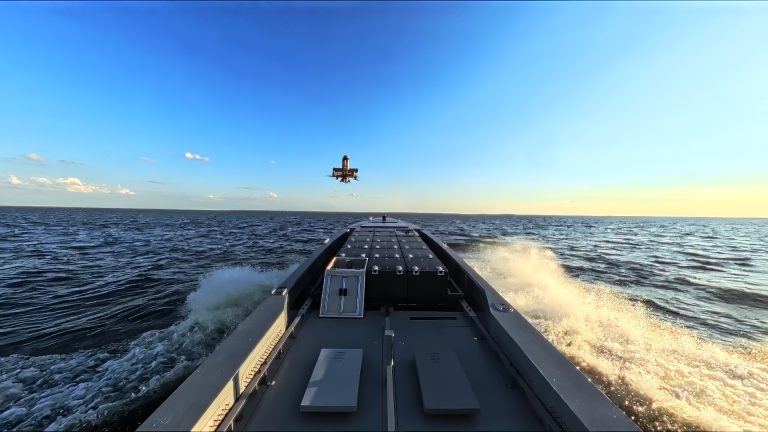
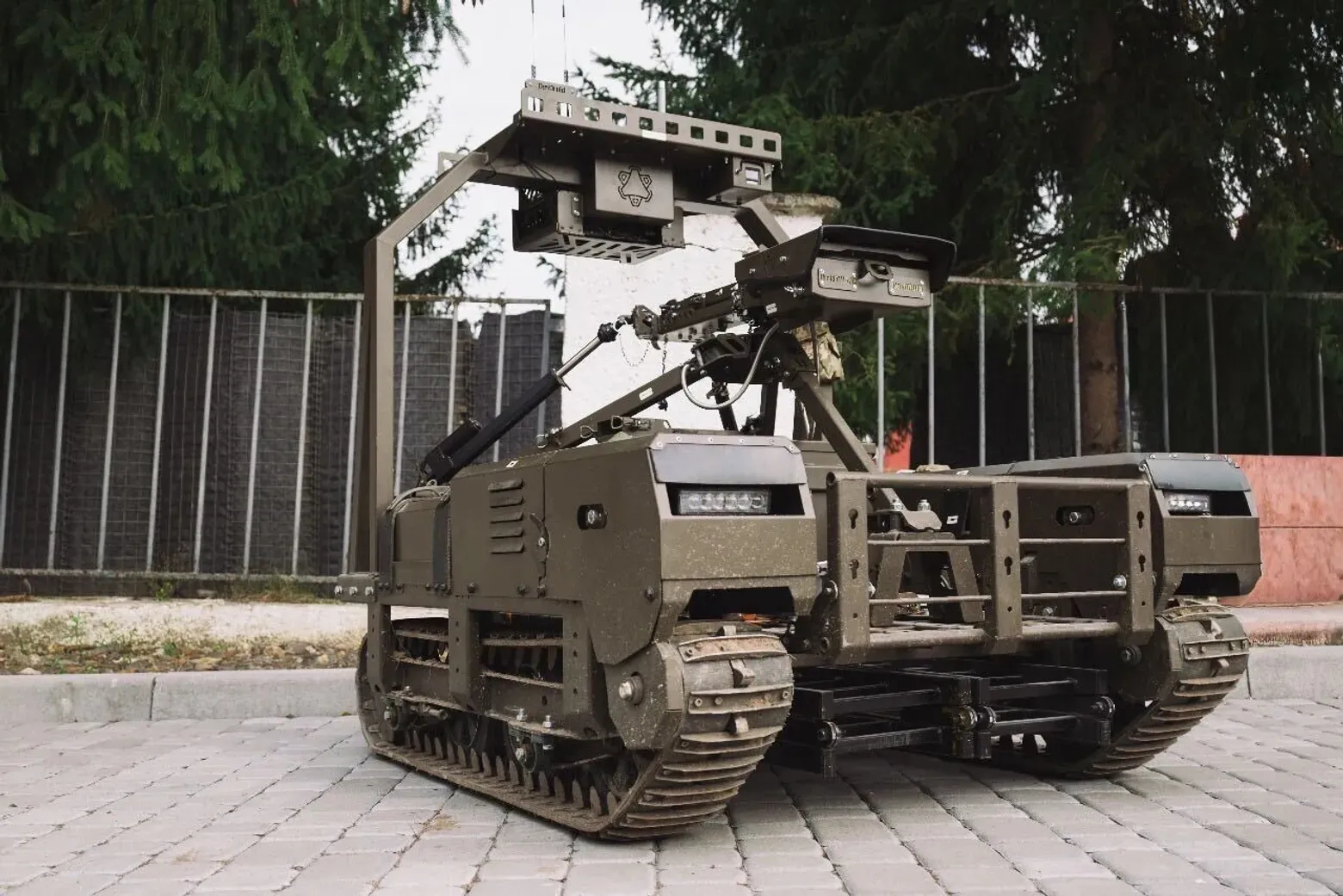
The Droid Box robotic control system has received a significant upgrade that introduces two-way audio communication capabilities and enhanced autonomous functionality. This latest update represents a major step forward in robot-human interaction, allowing operators to communicate directly with people in the field through their robotic units while also enabling the machines to operate independently in areas where network connectivity is unavailable or unreliable.
The implementation of bidirectional audio marks a transformative moment for remote robotic operations. Previously, many robotic systems relied solely on visual feedback and one-way communication channels, limiting the effectiveness of human-robot collaboration in complex scenarios. With the new two-way audio feature, operators can now conduct real-time conversations through their robots, making them far more useful for security patrols, customer service applications, delivery confirmations, and emergency response situations where verbal communication is essential.
Enhanced Autonomous Navigation Capabilities
Perhaps the most significant technical achievement in this update is the new autonomous functionality that allows Droid Box-equipped robots to continue operating in zones without network connectivity. This addresses one of the most persistent challenges in mobile robotics: maintaining operational capability when wireless signals drop or become intermittent. The system now includes sophisticated onboard processing that enables robots to navigate, avoid obstacles, and complete assigned tasks even when temporarily disconnected from their central control systems.
This autonomous capability relies on advanced sensor fusion technology, combining data from multiple sources including LiDAR, cameras, ultrasonic sensors, and inertial measurement units. When connectivity is lost, the robot’s local computing system takes over, using pre-loaded maps and real-time environmental sensing to maintain safe and purposeful movement. Once connectivity is restored, the robot automatically syncs its operational data with the central system, ensuring no information is lost during the offline period.
Industry Applications and Market Impact
The robotics industry has been pushing toward greater autonomy and more natural human-machine interfaces for years. According to recent market analyses, the global service robotics market is expected to exceed $150 billion by 2030, driven largely by advances in AI, communication systems, and autonomous navigation. The Droid Box update positions itself squarely within this growth trajectory, addressing key pain points that have historically limited robot deployment in real-world environments.
Industries likely to benefit most from these enhancements include logistics and warehousing, where robots frequently move through areas with variable connectivity; healthcare facilities, where two-way communication can facilitate patient interaction; and security services, where operators need to verbally challenge or assist individuals encountered during patrols. Manufacturing environments with significant RF interference or shielded areas will also find the autonomous navigation features particularly valuable.
Technical Architecture and Future Development
The technical implementation of the two-way audio system utilizes advanced noise cancellation algorithms and echo suppression to ensure clear communication even in noisy environments. The audio processing occurs both locally on the robot and in the cloud, providing redundancy and optimal quality depending on network conditions. Security features including end-to-end encryption protect all voice communications from interception.
Looking ahead, developers have indicated that future updates will likely expand the autonomous capabilities further, potentially incorporating more sophisticated AI decision-making that could allow robots to handle unexpected situations without human intervention. The foundation laid by this current update—reliable offline operation combined with rich communication capabilities—creates a platform upon which increasingly intelligent robotic behaviors can be built. As edge computing continues to advance and AI models become more efficient, the boundary between connected and autonomous operation will continue to blur, ultimately leading to robots that can seamlessly adapt to whatever connectivity conditions they encounter.
Expert Opinion: The integration of two-way audio with offline autonomous capabilities represents a convergence of two critical technological requirements that have long been addressed separately in robotics. This unified approach suggests the industry is maturing toward truly practical deployment scenarios rather than laboratory demonstrations. Organizations considering robotic automation should view connectivity-independent operation as a baseline requirement rather than a premium feature, as this capability will likely become standard across the industry within the next 18-24 months.