
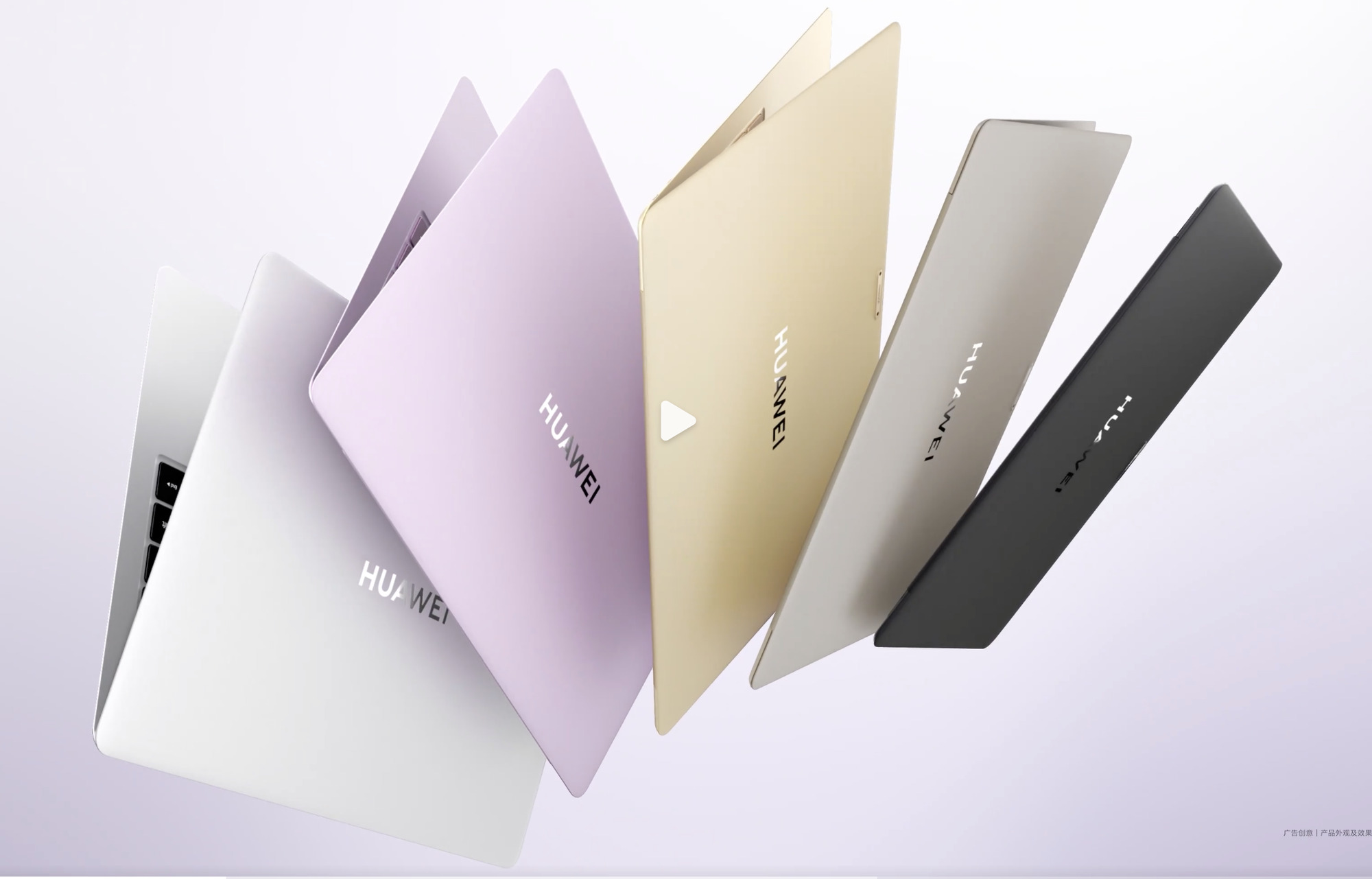
Huawei has officially unveiled its latest flagship laptop, the MateBook Pro S, positioning it as one of the lightest 14-inch notebooks in the company’s entire product lineup. The announcement comes as the Chinese technology giant continues its aggressive push into the premium laptop market, directly challenging Apple’s dominance in the ultraportable segment. With its remarkably slim profile and featherweight construction, the MateBook Pro S represents Huawei’s commitment to engineering excellence and its ambition to set new standards in portable computing.
Key Takeaways
- Huawei’s MateBook Pro S reportedly weighs less than Apple’s MacBook Air, making it one of the lightest 14-inch laptops available
- The device uses aerospace-grade aluminum alloys and advanced CNC machining to achieve its reduced weight while maintaining structural integrity
- Huawei leverages its vertical integration from smartphone and telecom manufacturing to control component design and supply chain
- Initial availability will focus on China before expanding internationally, with pricing details expected in coming weeks
The new device reportedly weighs less than Apple’s MacBook Air, a significant achievement considering the MacBook Air has long been considered the gold standard for lightweight laptop design. This breakthrough in weight reduction demonstrates Huawei’s advanced materials engineering and manufacturing capabilities, which have been refined through years of smartphone and tablet development. The company has leveraged its expertise in miniaturization and thermal management to create a device that doesn’t compromise on performance despite its incredibly light frame.
Design and Display Features
The MateBook Pro S features a stunning 14-inch display, continuing Huawei’s tradition of offering vibrant, high-resolution screens across its laptop lineup. Industry analysts expect the device to incorporate Huawei’s signature 3:2 aspect ratio display, which provides more vertical screen real estate compared to traditional 16:9 panels, making it particularly suitable for productivity tasks, document editing, and web browsing. The company has historically used OLED and LTPS LCD technologies in its premium devices, and the MateBook Pro S is anticipated to feature similar cutting-edge display technology with excellent color accuracy and HDR support.
Huawei’s engineering team has reportedly achieved this weight reduction through the use of aerospace-grade aluminum alloys and innovative structural design techniques. The chassis construction likely employs advanced CNC machining processes that allow for thinner walls while maintaining structural integrity. This approach mirrors techniques used in the aerospace and automotive industries, where every gram of weight savings translates to improved performance and efficiency. The laptop’s thermal management system has also been redesigned to accommodate the slimmer form factor, utilizing advanced heat pipe configurations and potentially vapor chamber cooling technology.
Positioning Against Apple and Rivals
The announcement arrives at a crucial time for Huawei’s consumer electronics division, which has been working to rebuild its market presence following years of trade restrictions imposed by the United States. Despite facing significant challenges in its smartphone business due to limited access to advanced chipsets and Google services, Huawei has successfully pivoted to strengthen its laptop and tablet offerings. The company’s PC business has shown remarkable resilience, with the MateBook series gaining popularity in markets across Europe, Asia, and the Middle East.
The ultraportable laptop segment has become increasingly competitive in recent years, with major players including Apple, Dell, Lenovo, and ASUS all vying for consumers who prioritize mobility without sacrificing performance. Apple’s M-series chips have set new benchmarks for power efficiency, allowing MacBooks to deliver exceptional battery life in thin and light packages. Huawei’s response has been to focus on areas where it can differentiate, including display quality, build materials, and innovative features like seamless device ecosystem integration through its Super Device functionality, which allows users to connect their Huawei smartphones, tablets, and laptops for collaborative workflows.
Huawei's Rapid Rise in Laptops
Huawei entered the laptop market relatively recently compared to established PC manufacturers, launching its first MateBook in 2016. However, the company has rapidly iterated on its designs, earning praise from reviewers for build quality, display excellence, and competitive pricing. The MateBook X Pro, in particular, garnered significant attention for its near-bezelless display and premium construction, establishing Huawei as a serious contender in the premium laptop space. The MateBook Pro S appears to build upon this foundation while pushing the boundaries of what’s possible in terms of portability.
The company’s vertical integration capabilities, developed through decades of telecommunications equipment manufacturing and smartphone production, give it unique advantages in laptop development. Huawei designs many of its own components, including display drivers, power management systems, and increasingly, its own processors through its HiSilicon subsidiary. This level of control over the supply chain allows Huawei to optimize every aspect of its devices and respond quickly to market demands. While specific processor details for the MateBook Pro S haven’t been confirmed, the device may feature Intel’s latest mobile chips or potentially Huawei’s own silicon solutions for certain markets.
What Comes Next for Ultraportables
The MateBook Pro S launch signals Huawei’s determination to remain competitive in the global technology landscape despite ongoing geopolitical challenges. As remote work and digital nomad lifestyles continue to influence consumer preferences, demand for ultraportable devices that don’t compromise on capability is expected to grow. Market research firms project the premium laptop segment will see sustained growth through 2025 and beyond, driven by professionals and content creators who require powerful yet portable computing solutions.
Pricing and availability details for the MateBook Pro S are expected to be announced in the coming weeks, with initial availability likely focused on China before expanding to international markets. If Huawei can deliver the promised weight savings while maintaining competitive performance and battery life, the MateBook Pro S could emerge as a compelling alternative to established ultraportable options, further intensifying competition in a market that continues to push the boundaries of mobile computing technology.
Implications for Premium Laptop Competition
Huawei’s claim of undercutting the MacBook Air’s weight represents a direct challenge to Apple’s long-held position as the benchmark for ultraportable design. If the company delivers on this promise without sacrificing battery life or performance, it forces competitors to accelerate their own lightweight engineering efforts. The premium laptop market may see weight become as important a differentiator as processing power or display quality.
The timing matters for Huawei’s broader strategy. With its smartphone business still constrained by US trade restrictions limiting access to advanced chips and Google services, the company has increasingly leaned on its laptop and tablet divisions for consumer electronics growth. Success here could help offset ongoing smartphone challenges in Western markets.
The processor situation remains the key unknown. Whether Huawei uses Intel chips or its own HiSilicon silicon will significantly affect performance benchmarks and market availability. Apple’s M-series chips have set a high bar for power efficiency that any competitor must address, regardless of how light the chassis becomes.
Common Questions
How much does the Huawei MateBook Pro S weigh compared to MacBook Air?
Huawei claims the MateBook Pro S weighs less than Apple’s MacBook Air, though specific weight figures have not been disclosed. The MacBook Air M3 weighs approximately 1.24 kg (2.7 lbs), suggesting the MateBook Pro S comes in under that figure.
When will the MateBook Pro S be available to purchase?
Pricing and availability details are expected in the coming weeks. Huawei will likely launch first in China before expanding to international markets including Europe, Asia, and the Middle East.
What processor does the MateBook Pro S use?
Specific processor details have not been confirmed. The device may feature Intel’s latest mobile chips or potentially Huawei’s own HiSilicon processors depending on market region and supply chain considerations.
Expert Opinion: Huawei’s ability to produce a laptop lighter than the MacBook Air demonstrates the company’s engineering maturity and signals intensifying competition in the premium ultraportable segment. This launch suggests that weight and portability will become key battlegrounds for laptop manufacturers in 2025, potentially spurring rivals to accelerate their own lightweight designs. For consumers, this competition translates to better choices and continued innovation in mobile computing.