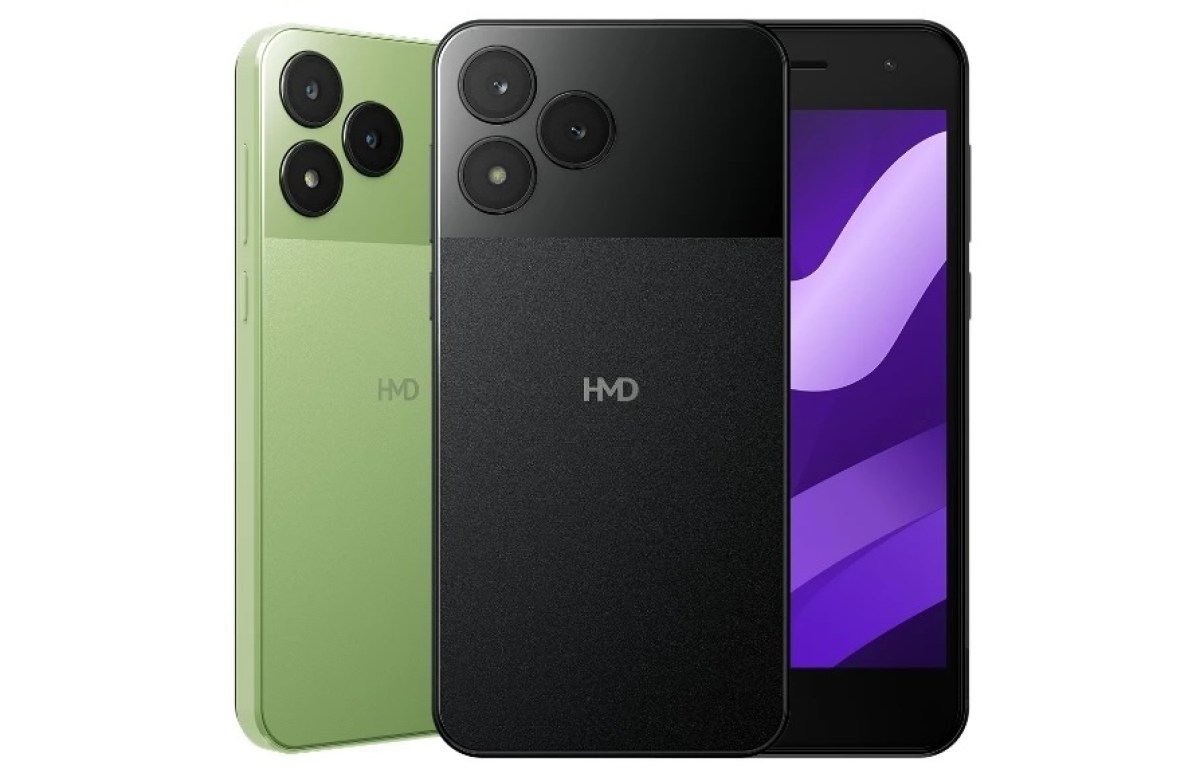
Finnish mobile device manufacturer HMD Global has officially announced the Asha 305, a budget-friendly smartphone that brings back a beloved feature many users have been missing: a removable battery. Priced at an incredibly accessible $65, this device represents HMD’s continued commitment to serving emerging markets and budget-conscious consumers who prioritize practicality over premium features. The Asha 305 runs on Android AOSP (Android Open Source Project), offering a clean, bloatware-free experience that maximizes the device’s modest hardware capabilities.
The revival of the Asha brand name carries significant weight in the mobile industry. Originally launched by Nokia in 2011, the Asha series became synonymous with affordable mobile technology in developing countries across Africa, Asia, and Latin America. These devices sold tens of millions of units, providing internet connectivity and smartphone functionality to users who couldn’t afford flagship devices. HMD Global, which acquired the rights to manufacture Nokia-branded phones in 2016, has strategically chosen to resurrect this iconic brand name to capture a segment of the market that remains underserved by mainstream manufacturers.
Key Features and Technical Specifications
The HMD Asha 305 distinguishes itself primarily through its removable battery design, a feature that has become increasingly rare in the smartphone industry. This design choice offers several practical advantages for budget-conscious users: batteries can be easily replaced when they degrade, eliminating the need for expensive repairs or device replacement. Users can also carry spare batteries for extended use periods, which is particularly valuable in regions where reliable electricity access may be limited. The device’s construction prioritizes repairability and longevity over the sleek, sealed designs that dominate the premium smartphone market.
Running on Android AOSP rather than Google’s full Android package with Google Mobile Services represents a strategic decision by HMD. This approach keeps costs down by avoiding licensing fees while still providing users with access to the core Android experience. Users can access alternative app stores and sideload applications, though they won’t have native access to the Google Play Store. This trade-off is acceptable for many budget users who primarily need basic smartphone functionality for communication, social media, and essential productivity tasks.
Market Strategy and Target Audience
HMD’s decision to price the Asha 305 at $65 positions it squarely in the ultra-budget segment, competing with devices from Chinese manufacturers like Xiaomi’s Redmi series and Realme’s entry-level offerings. However, the removable battery feature gives HMD a unique selling proposition that many competitors have abandoned. Market analysts suggest this could resonate strongly with consumers in regions like Sub-Saharan Africa and South Asia, where device longevity and repairability are crucial considerations. The total cost of ownership becomes significantly lower when users can replace a $10 battery instead of purchasing an entirely new device.
The smartphone industry has largely moved away from removable batteries due to several factors: they allow for slimmer device designs, improve water resistance capabilities, and enable manufacturers to use higher-capacity battery technologies. However, this trend has faced criticism from right-to-repair advocates and environmental groups who argue that sealed batteries contribute to electronic waste and planned obsolescence. The European Union has even passed legislation requiring smartphones to have user-replaceable batteries by 2027, suggesting that HMD’s approach may actually be ahead of regulatory trends.
HMD’s Broader Vision and Industry Impact
This launch aligns with HMD Global’s broader strategy of diversifying beyond Nokia-branded devices while maintaining its reputation for durability and practicality. The company has been working to establish its own HMD brand identity, recently launching several devices under the HMD name rather than Nokia. The Asha revival represents a calculated move to leverage brand recognition built during Nokia’s dominant era while carving out a distinct market position. With approximately 3 billion people worldwide still lacking smartphone access, the potential market for ultra-affordable devices remains substantial, and HMD appears determined to capture a meaningful share of this opportunity.
Expert Opinion: The HMD Asha 305 signals a potential shift in how manufacturers approach the budget smartphone segment, prioritizing sustainability and user serviceability over marginal design improvements. As regulatory pressure mounts globally for more repairable electronics, HMD’s early adoption of removable battery designs could provide a competitive advantage. This device may well become a template for how budget smartphones evolve in the coming years, particularly as emerging markets continue to drive global smartphone adoption growth.