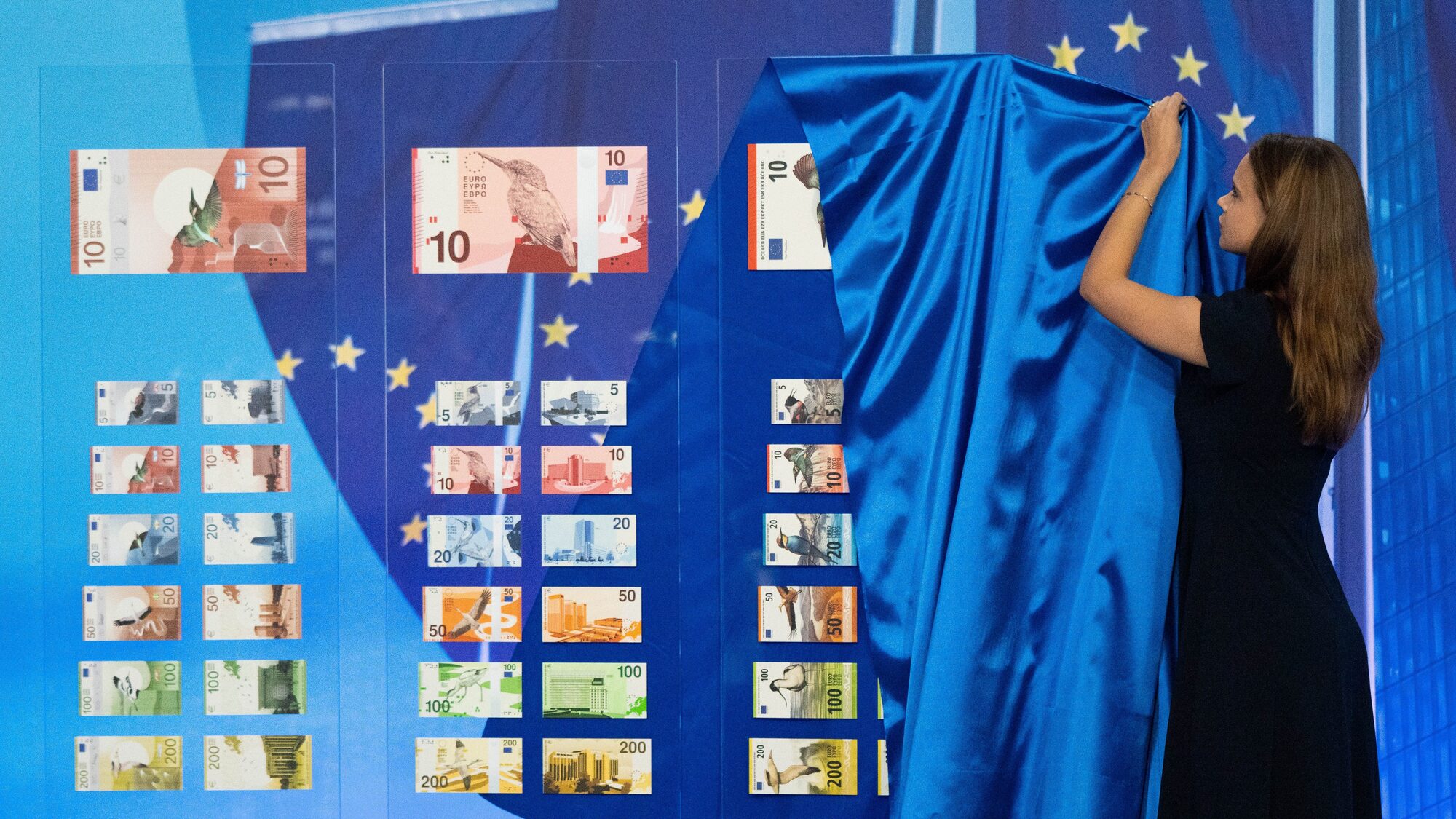
The European Central Bank has unveiled ten potential design concepts for the next generation of euro banknotes, marking the beginning of a massive public consultation across the eurozone. This ambitious project represents the first major redesign of the common European currency since its physical introduction over two decades ago, and citizens from all 20 eurozone member states are being invited to share their preferences on what their money should look like in the coming years.
The initiative comes as central banks worldwide grapple with the challenge of making physical currency more secure against counterfeiting while also ensuring it remains relevant and meaningful to increasingly diverse populations. The ECB has emphasized that the new designs must balance aesthetic appeal with practical functionality, incorporating advanced security features that will protect the integrity of the currency for decades to come.
The Design Themes Under Consideration
The ten proposed design concepts draw from various aspects of European culture, history, and shared values. According to ECB officials, the themes were carefully selected to represent elements that resonate across national boundaries while celebrating the continent’s rich diversity. The current euro banknotes, which entered circulation on January 1, 2002, feature architectural styles from different periods in European history, depicted through generic representations rather than specific buildings to avoid favoring any particular nation.
The redesign process began several years ago when the ECB’s Governing Council decided it was time to refresh the currency’s appearance. A focus group comprising citizens from across the eurozone helped identify themes that Europeans feel best represent their shared identity and values. The proposed concepts reportedly include representations of European nature and wildlife, cultural achievements, scientific innovation, and symbols of unity and cooperation that have defined the European project since its inception following World War II.
Public Participation and Democratic Process
The public consultation represents an unprecedented level of citizen involvement in monetary design decisions. Eurozone residents can participate through online surveys and various feedback mechanisms established by the ECB. This democratic approach reflects a broader trend among central banks to engage more directly with the public they serve. The consultation period will allow millions of Europeans to voice their opinions on which design direction best captures the spirit of their shared currency and continental identity.
Historically, currency design has been the domain of small committees of experts and government officials. However, the ECB has recognized that in an era of declining cash usage and increasing digital payments, physical money must carry greater symbolic weight to maintain its cultural relevance. By involving citizens directly, the bank hopes to create banknotes that Europeans will feel genuinely connected to, potentially encouraging continued use of cash alongside digital payment methods.
Security Features and Technical Innovation
Beyond aesthetics, the new euro banknotes will incorporate cutting-edge security technologies that have emerged since the current series was designed. Modern counterfeiting techniques, including advanced digital printing and artificial intelligence, pose significant challenges to currency security. The ECB has been working with security printing experts and technology companies to develop features that will be extremely difficult to replicate while remaining easy for the public and businesses to verify.
The current Europa series of euro banknotes, introduced between 2013 and 2019, already includes sophisticated security elements such as portrait watermarks, emerald numbers that change color and move when tilted, and enhanced holograms. The next generation is expected to build upon these innovations while potentially introducing entirely new protective measures. Some experts speculate that the new notes may include features readable by smartphone applications, bridging the gap between physical and digital currency verification.
Timeline and Implementation
The ECB has indicated that the final designs will be selected following the consultation process, with production and distribution expected to take several years thereafter. Central bank officials have stressed that the transition will be gradual, with current banknotes remaining legal tender for an extended period to ensure smooth adoption. The entire project represents an investment of hundreds of millions of euros, reflecting the importance placed on maintaining a secure and aesthetically meaningful common currency for nearly 350 million eurozone citizens.
Expert Opinion: The ECB’s decision to conduct such an extensive public consultation signals a strategic shift toward greater transparency and citizen engagement in monetary policy matters. This participatory approach may help strengthen public trust in the euro at a time when digital currencies and payment systems are challenging traditional notions of money. The success of this initiative could establish a new standard for how central banks worldwide approach currency redesign in the 21st century.