
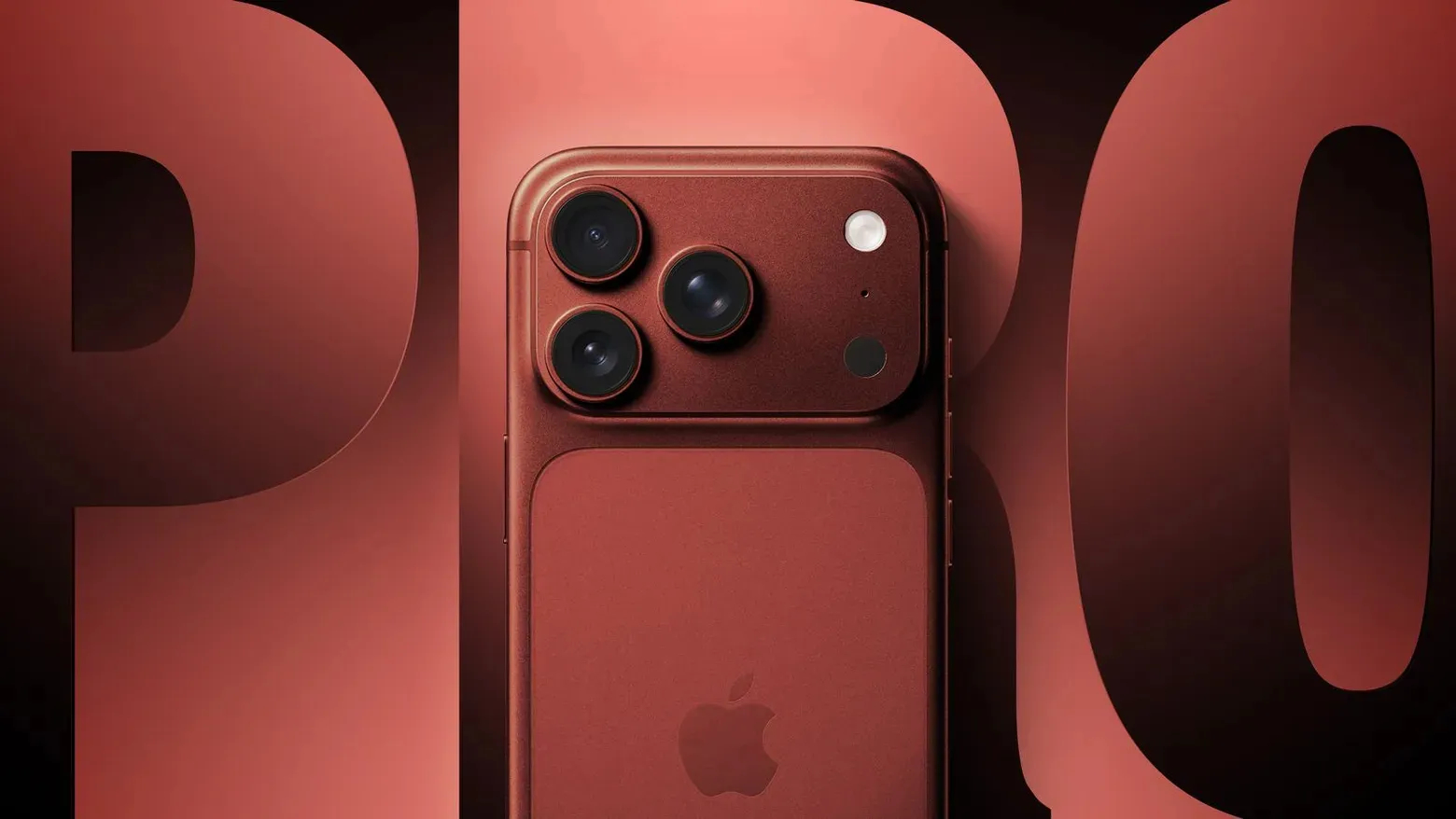
A significant cybersecurity breach targeting one of Apple’s key manufacturing partners has inadvertently exposed confidential details about the upcoming iPhone 18 Pro’s camera system, adding to the growing anticipation surrounding Apple’s next generation of smartphones. The leak, which emerged from compromised internal documents, suggests that Apple is planning substantial upgrades to its camera technology, continuing the company’s aggressive push to dominate the mobile photography market. Industry insiders now expect Apple to unveil its new smartphone lineup in September, potentially alongside the long-rumored iPhone Ultra model that has been the subject of speculation for years.
The cyberattack targeted a company within Apple’s extensive supply chain network, which spans dozens of manufacturers across Asia. Apple’s supply chain has historically been both a source of innovation and vulnerability, with partners occasionally becoming targets for hackers seeking to obtain proprietary information about unreleased products. This latest breach follows a pattern of supply chain attacks that have plagued the technology industry, highlighting the challenges companies face in protecting intellectual property across complex global manufacturing networks. Security experts estimate that supply chain attacks have increased by over 300% in recent years, making them one of the most significant threats to corporate data security.
Camera Technology Breakthrough Expected
According to the leaked documents, the iPhone 18 Pro is expected to feature a revolutionary camera system that represents a significant departure from current technology. Reports indicate that Apple may be implementing advanced sensor technology that could dramatically improve low-light photography performance and dynamic range capabilities. The company has been investing heavily in computational photography, combining hardware improvements with sophisticated machine learning algorithms to produce images that rival professional cameras. Apple’s camera development team, which has grown substantially over the past five years, has been working on integrating larger sensors while maintaining the slim profile that iPhone users expect.
The evolution of smartphone cameras has been one of the most remarkable technological developments of the past decade. Apple first introduced dual cameras with the iPhone 7 Plus in 2016, and has since added LiDAR scanners, ProRAW capabilities, and Cinematic mode to its flagship devices. The company’s investment in camera technology reflects broader industry trends, as mobile photography has become the primary way billions of people capture and share moments. Market research indicates that camera quality remains the top consideration for consumers when purchasing premium smartphones, explaining why Apple and its competitors continue to pour resources into imaging innovation.
The iPhone Ultra Mystery Deepens
Perhaps more intriguing than the camera revelations is the renewed speculation about the iPhone Ultra. This rumored device has been discussed in industry circles for several years, with analysts predicting it would sit above the Pro Max in Apple’s lineup as an ultra-premium offering. The leaked information suggests that Apple may finally be ready to introduce this device, potentially positioning it as a direct competitor to Samsung’s Ultra series and other premium Android devices. If confirmed, the iPhone Ultra could feature exclusive technologies not available on standard Pro models, including enhanced camera capabilities, longer battery life, and premium materials.
Apple’s product strategy has historically involved careful market segmentation, with each iPhone model targeting specific consumer demographics. The introduction of an Ultra model would represent a significant expansion of this strategy, potentially pushing prices beyond the current ceiling of around $1,599 for the highest-capacity Pro Max models. Industry analysts have suggested that such a device could be priced at $1,799 or higher, targeting affluent consumers and technology enthusiasts who desire the absolute best mobile experience regardless of cost. This approach mirrors Apple’s successful strategy with the Apple Watch Ultra, which has carved out a profitable niche in the wearables market.
Supply Chain Security Concerns
The breach has once again raised serious questions about the security of technology supply chains. Apple works with hundreds of suppliers worldwide, and protecting proprietary information across this network presents enormous challenges. The company has implemented stringent security protocols, including compartmentalized information sharing that limits what individual partners know about upcoming products. However, determined attackers continue to find vulnerabilities, and the value of information about Apple products makes them particularly attractive targets. Cybersecurity experts recommend that companies invest in continuous monitoring, employee training, and robust encryption to protect sensitive data throughout their supply chains.
As Apple prepares for its September announcement, the company faces the challenge of managing expectations while maintaining the element of surprise that has historically driven consumer excitement. The leaked information, while unofficial, has set a high bar for what customers will expect from the iPhone 18 Pro series. Whether Apple can meet or exceed these expectations remains to be seen, but the company’s track record of innovation suggests it may have additional surprises in store that were not captured in the compromised documents.
Expert Opinion: The convergence of sophisticated cyberattacks on supply chains with the high-stakes smartphone market suggests we’ll see increased investment in security infrastructure across the technology sector. Apple’s potential introduction of the iPhone Ultra signals a strategic shift toward capturing more value from its most dedicated customers, a trend likely to accelerate as smartphone market growth slows globally. Companies that fail to adequately protect their supply chains will face not only competitive disadvantages but potential regulatory scrutiny as data protection laws become more stringent.