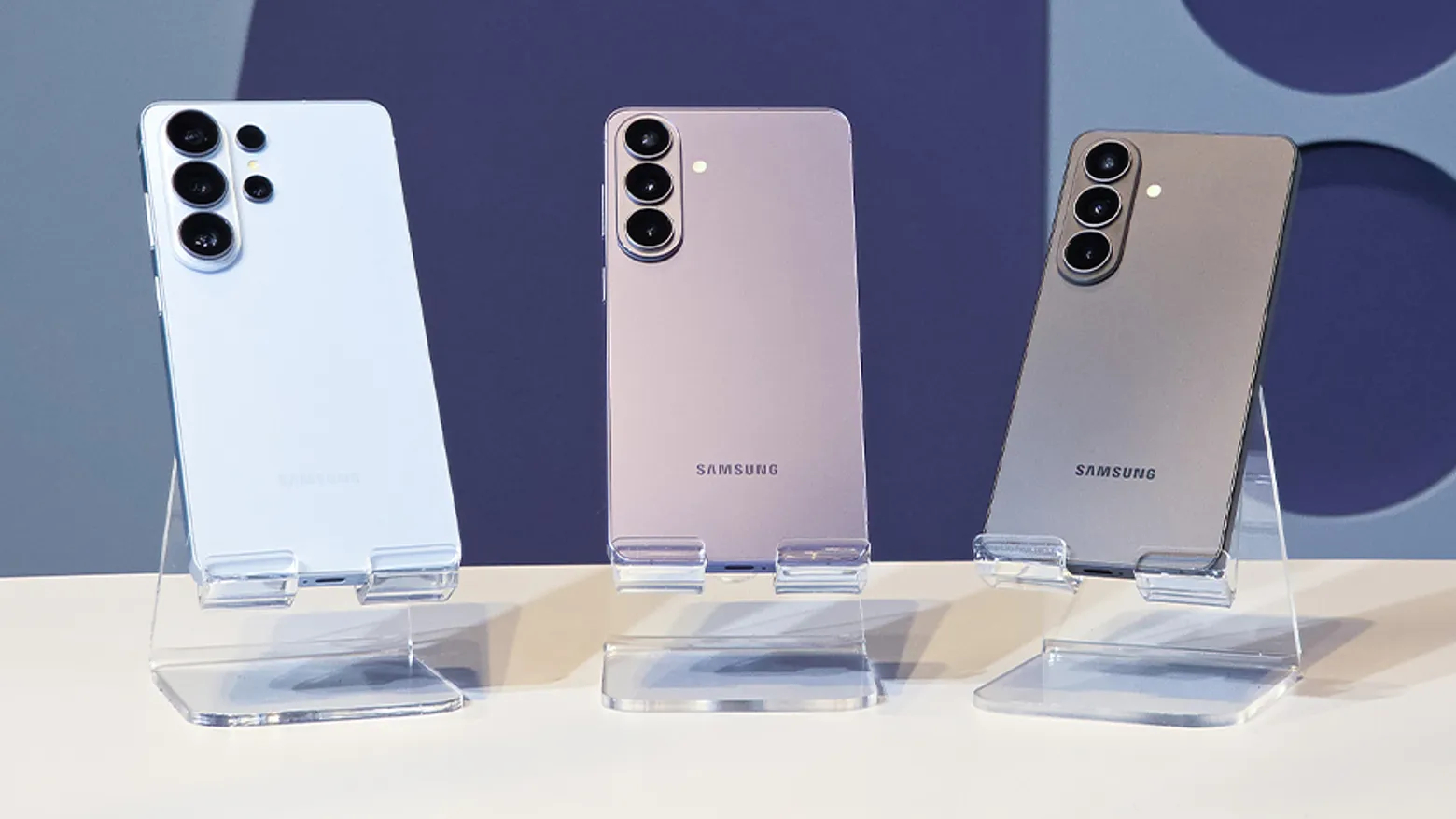
Samsung has officially confirmed that its newly released Galaxy S26 Ultra flagship smartphone is experiencing display-related problems that have left many early adopters frustrated. The South Korean tech giant acknowledged the issue following numerous user complaints about screen inconsistencies and visual artifacts appearing on their devices. Reports indicate that similar display anomalies were also observed on demonstration units displayed in retail stores worldwide, raising concerns about the scope of the problem affecting Samsung’s premium smartphone line.
The display issues reportedly manifest as uneven brightness distribution, subtle color banding in gradient areas, and occasional flickering under certain lighting conditions. Some users have described a greenish tint appearing on their screens, particularly noticeable when displaying dark or gray content. These problems are especially concerning given that the Galaxy S26 Ultra represents Samsung’s flagship offering and commands a premium price point, with customers expecting flawless display performance from the device’s advanced Dynamic AMOLED panel.
Technical Background and Samsung’s Display Legacy
Samsung Display, a subsidiary of Samsung Electronics, has long been regarded as the industry leader in mobile display technology. The company supplies OLED panels not only for its own devices but also for competitors including Apple’s iPhone lineup. This makes the current quality control issues particularly noteworthy, as Samsung’s display division has built its reputation on delivering cutting-edge screen technology. The Galaxy S26 Ultra features Samsung’s latest generation Dynamic AMOLED 2X display with improved brightness levels and enhanced color accuracy specifications, making these reported inconsistencies all the more surprising to industry observers.
Display calibration issues are not unprecedented in the smartphone industry. Previous Samsung devices, including certain Galaxy S20 and S21 models, experienced similar complaints regarding screen uniformity and color accuracy. However, Samsung has historically been responsive to such issues, often releasing software updates to address calibration problems. The company’s display technology typically allows for software-based adjustments to screen parameters, which can correct many visual inconsistencies without requiring hardware replacement.
Company Response and Upcoming Software Fix
In response to the growing number of complaints, Samsung has issued an official statement acknowledging the display irregularities affecting Galaxy S26 Ultra units. The company emphasized that the issues appear to be software-related rather than hardware defects, which would allow for correction through an over-the-air update. Samsung’s engineering teams are reportedly working on a firmware patch that will include improved display calibration algorithms and enhanced color management profiles. The update is expected to roll out globally within the coming weeks, though Samsung has not provided a specific release date.
Industry analysts suggest that the software-based solution is encouraging news for affected customers, as it means they will not need to seek device replacements or repairs. Software fixes can adjust gamma curves, white balance settings, and brightness uniformity across the panel, potentially resolving the majority of reported issues. Samsung has urged customers experiencing display problems to ensure their devices are running the latest available software version and to contact Samsung Support if issues persist after the upcoming update is installed.
Market Implications and Consumer Confidence
The display controversy comes at a critical time for Samsung, as the company faces intensifying competition from Apple, Google, and Chinese manufacturers like Xiaomi and OnePlus in the premium smartphone segment. Quality control issues on flagship devices can significantly impact consumer confidence and brand perception, particularly among tech-savvy buyers who expect perfection from high-end products. Samsung’s swift acknowledgment of the problem and commitment to a software fix demonstrates the company’s awareness of the stakes involved in maintaining its flagship brand integrity.
For consumers who have already purchased the Galaxy S26 Ultra, Samsung’s proactive approach offers reassurance that their investment will be protected. The company has also reportedly instructed retail partners to update demonstration units once the software fix becomes available, ensuring that potential customers see the device performing as intended. This incident serves as a reminder of the complexity involved in modern smartphone manufacturing and the importance of post-launch support in addressing unforeseen issues.
Expert Opinion: This situation highlights the increasing reliance on software calibration in modern display technology, where even hardware variations can often be corrected through intelligent algorithms. Samsung’s quick response suggests the company has learned from past experiences with display complaints and understands that transparency is crucial for maintaining consumer trust. Looking ahead, we can expect the software fix to resolve most reported issues, though Samsung may need to strengthen quality control processes for future device launches to prevent similar situations from affecting early adopters.