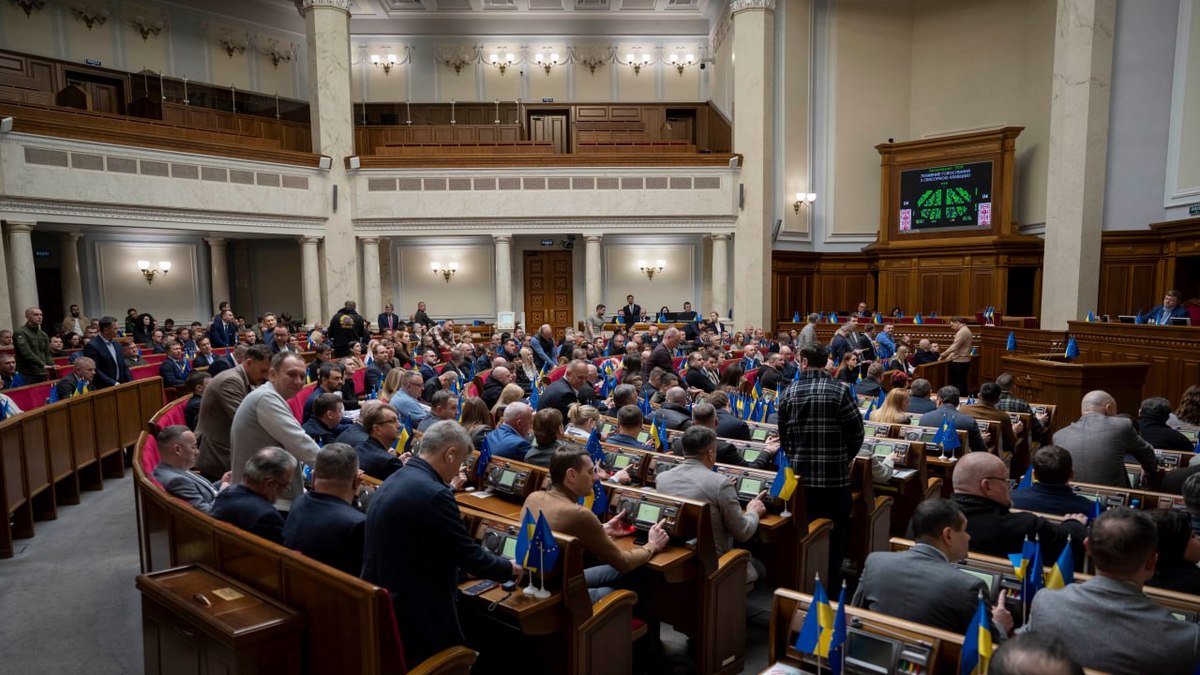
In a significant move to strengthen economic pressure on Russia, Ukraine’s Verkhovna Rada has officially approved the expansion of long-term sectoral sanctions to include Russian cryptocurrencies. The parliamentary decision endorses the National Security and Defense Council’s (NSDC) resolution to impose comprehensive restrictions targeting essentially the entire Russian financial and banking system for a period of 50 years. This landmark legislation represents one of the most extensive and prolonged sanction regimes ever implemented by Ukraine against its eastern neighbor.
The vote marks a decisive escalation in Ukraine’s economic warfare strategy, reflecting the ongoing military conflict and the need to cut off all possible financial channels that could support Russia’s war effort. By specifically targeting cryptocurrencies, Ukrainian lawmakers are addressing a growing concern among Western allies that digital assets could be used to circumvent traditional banking sanctions that have been imposed since the full-scale invasion began in February 2022.
Understanding the Scope of Financial Sanctions
The newly approved sanctions package goes far beyond previous measures by encompassing virtually all aspects of Russia’s financial infrastructure. This includes major state-owned banks, private financial institutions, payment processing systems, and now digital currency operations. The 50-year timeframe is particularly noteworthy, as it signals Ukraine’s intention to maintain economic pressure on Russia for generations, regardless of how the current conflict evolves. Such an extended duration is unprecedented in modern sanction regimes and demonstrates Kyiv’s commitment to long-term economic isolation of Russian financial entities.
Cryptocurrency sanctions have become increasingly important in the modern sanctions landscape. Since the beginning of the war, there have been numerous reports of Russian entities attempting to use Bitcoin, Ethereum, and other digital currencies to move money across borders while evading traditional banking restrictions. The decentralized nature of cryptocurrencies makes them attractive for sanctions evasion, as transactions can occur without intermediaries like banks that are required to enforce international restrictions. By explicitly including digital assets in the sanctions framework, Ukraine is closing a potential loophole that could have allowed Russian actors to continue accessing international financial markets.
Historical Context and International Coordination
Ukraine’s decision comes as part of a broader international effort to economically isolate Russia. Since 2014, when Russia annexed Crimea, Western nations have progressively implemented sanctions targeting Russian individuals, companies, and economic sectors. The full-scale invasion in 2022 triggered an unprecedented wave of coordinated sanctions from the United States, European Union, United Kingdom, and numerous other countries. These measures have included freezing assets of Russian oligarchs, banning Russian banks from the SWIFT international payment system, and imposing export controls on critical technologies.
The NSDC, which proposed the original sanctions resolution, plays a crucial role in Ukraine’s national security architecture. Chaired by President Volodymyr Zelensky, this body coordinates defense policy and has been instrumental in shaping Ukraine’s response to Russian aggression. The parliamentary approval of NSDC decisions provides legal legitimacy and ensures that sanctions have the full force of Ukrainian law behind them. This two-step process — NSDC proposal followed by Rada ratification — has become the standard procedure for implementing major security-related economic measures.
Implications for the Global Crypto Market
The targeting of Russian cryptocurrencies raises important questions about enforcement and compliance in the decentralized digital asset space. Unlike traditional banking transactions, cryptocurrency transfers occur on distributed networks that operate outside government control. However, the sanctions will likely affect cryptocurrency exchanges operating in Ukraine and partner countries, requiring them to implement screening procedures to identify and block transactions involving sanctioned Russian entities. Major international exchanges have already implemented varying degrees of restrictions on Russian users since 2022, and Ukraine’s new legislation adds legal weight to these compliance requirements.
Industry experts note that while complete enforcement of cryptocurrency sanctions remains challenging, the measures serve important symbolic and practical purposes. They establish clear legal consequences for anyone facilitating Russian access to digital currency markets through Ukrainian jurisdiction. Furthermore, they demonstrate Ukraine’s commitment to closing all possible avenues for sanctions evasion, which strengthens the country’s position in negotiations with Western allies about continued financial and military support. The 50-year duration ensures that these restrictions will outlast current political leadership, creating long-term legal obstacles for Russian financial rehabilitation in Ukrainian markets.
Expert Opinion: The inclusion of cryptocurrencies in Ukraine’s 50-year sanctions framework represents a forward-thinking approach to modern economic warfare that other nations may soon emulate. As digital assets become increasingly integrated into global financial systems, traditional sanctions regimes that focus solely on banks and conventional payment networks will prove insufficient. Ukraine’s comprehensive approach not only addresses immediate wartime concerns but establishes a legal precedent for dealing with hostile state actors in the emerging digital economy, potentially shaping international sanctions policy for decades to come.