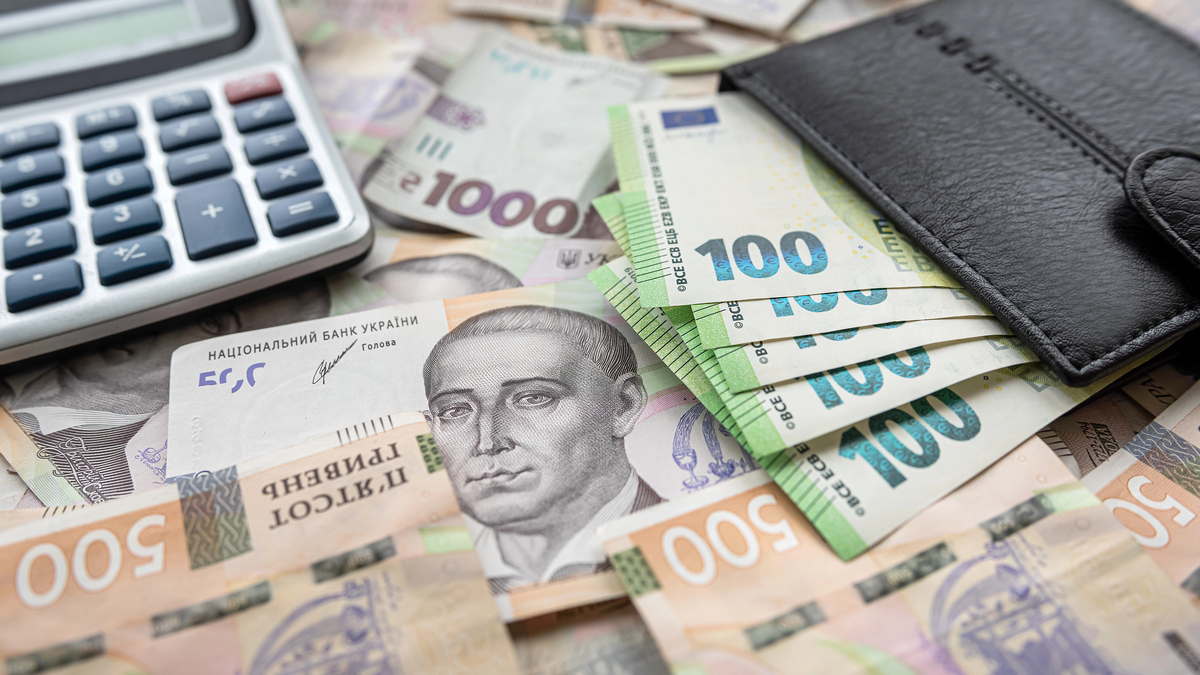
Ukraine will celebrate its Independence Day on August 24th with the euro reaching an unprecedented official exchange rate of 52.25 hryvnia. This marks the second consecutive day that the European currency has broken historical records against the Ukrainian hryvnia, reflecting ongoing economic pressures facing the nation as it continues to navigate wartime challenges and global market volatility.
The National Bank of Ukraine (NBU) set this new benchmark rate as part of its daily currency fixing, signaling continued depreciation of the national currency against major international currencies. The timing of this milestone, coinciding with one of the country’s most significant national holidays, underscores the economic difficulties Ukrainian citizens face alongside the ongoing military conflict.
Understanding the Currency Dynamics
The hryvnia’s decline against the euro reflects multiple interconnected factors affecting Ukraine’s economy. Since Russia’s full-scale invasion began in February 2022, Ukraine has faced enormous fiscal pressures, including massive defense spending, infrastructure damage estimated in the hundreds of billions of dollars, and disruptions to key export sectors. The agricultural and industrial heartlands have been particularly affected, reducing the country’s foreign currency earnings and putting downward pressure on the hryvnia.
The National Bank of Ukraine has been actively managing the exchange rate throughout the conflict, initially implementing strict capital controls and a fixed exchange rate regime. In October 2023, the central bank transitioned to a managed float system, allowing more market-determined price discovery while still intervening to prevent excessive volatility. This policy shift has contributed to gradual hryvnia depreciation as the currency finds its market-clearing level under current economic conditions.
Economic Context and International Support
Ukraine’s economy has shown remarkable resilience despite the unprecedented challenges. International financial support from Western allies, including the United States, European Union, and International Monetary Fund, has been crucial in maintaining macroeconomic stability. The IMF approved a $15.6 billion Extended Fund Facility program for Ukraine in March 2023, providing essential balance of payments support and helping to shore up foreign exchange reserves.
However, the continuous need for external financing, combined with a significant budget deficit driven by military expenditures, creates ongoing pressure on the currency. Inflation, while having moderated from its peak of over 26% in late 2022, remains elevated compared to pre-war levels. The central bank has maintained relatively high interest rates to combat price pressures, though this creates additional challenges for economic recovery and growth.
Implications for Ukrainian Citizens and the Economy
The weakening hryvnia has direct consequences for ordinary Ukrainians, particularly those who rely on imported goods or have savings in the national currency. Many essential products, from medications to electronics, are priced in foreign currencies, meaning that exchange rate depreciation translates into higher costs of living. Remittances from Ukrainians working abroad, often sent in euros or dollars, provide some cushion for families receiving foreign currency support.
Looking ahead, economists expect continued pressure on the hryvnia as Ukraine navigates its path toward EU membership and post-war reconstruction. The country’s leadership has emphasized that currency stability ultimately depends on ending the conflict and implementing comprehensive economic reforms. The European Union’s decision to open accession negotiations with Ukraine provides a long-term anchor for economic policy, though the integration process will require substantial structural adjustments over many years.
Expert Opinion: The continued depreciation of the hryvnia against major currencies reflects the fundamental economic realities of a nation at war rather than any failure of monetary policy. As international support remains steady and Ukraine progresses toward EU integration, we can expect gradual stabilization once hostilities cease. However, the reconstruction period will likely see sustained currency pressures until export capacity is fully restored and foreign direct investment flows resume at pre-war levels.