
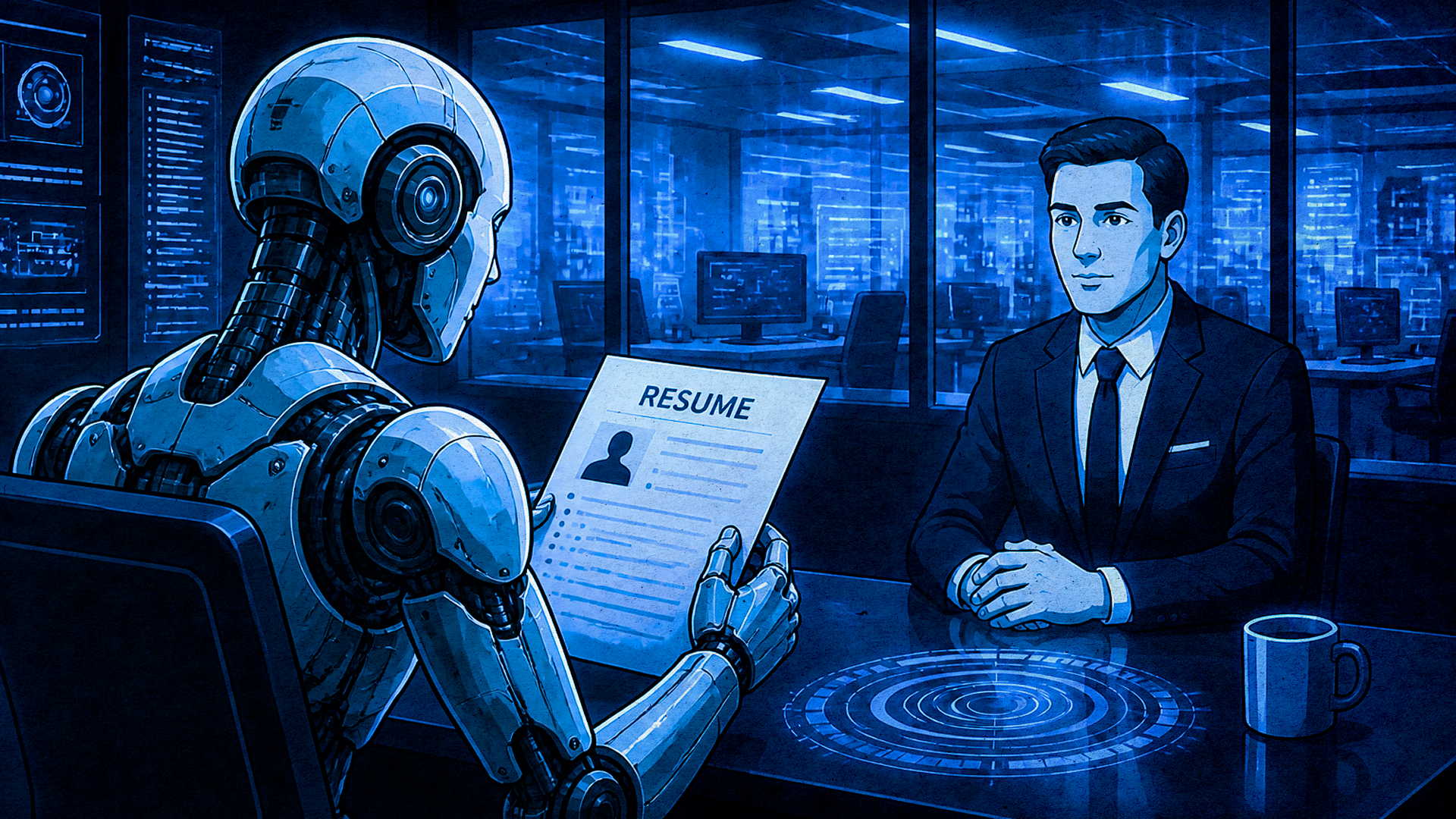
The landscape of job recruitment in Ukraine is undergoing a dramatic transformation as major corporations increasingly turn to artificial intelligence for candidate screening. Leading companies including telecommunications giant Kyivstar, IT powerhouse SoftServe, and logistics leader NOVA have already integrated AI-powered systems into their hiring processes. This shift means that job seekers must fundamentally rethink their approach to resume writing, as many previously popular tricks for beating automated systems have become obsolete. Hidden text stuffed with keywords, submitting files exclusively in DOCX format, and other conventional wisdom about passing automated screening are no longer effective strategies in this new AI-driven recruitment environment.
The Rise of AI Recruitment in Ukrainian Companies
The adoption of AI in recruitment represents a significant evolution from traditional Applicant Tracking Systems (ATS) that dominated hiring processes for the past two decades. While legacy ATS platforms relied on simple keyword matching and format parsing, modern AI recruitment tools employ sophisticated natural language processing and machine learning algorithms that can understand context, assess qualifications more holistically, and even predict candidate success. Ukrainian companies are rapidly embracing these technologies to manage the thousands of applications they receive monthly. Kyivstar, which serves millions of subscribers across the country, processes an enormous volume of job applications for positions ranging from customer service representatives to network engineers. Similarly, SoftServe, one of the largest IT service companies in Eastern Europe with over 10,000 employees, has found AI screening essential for managing recruitment at scale while maintaining quality standards.
The logistics sector has also jumped on board, with NOVA implementing AI systems to streamline hiring across its vast network of delivery centers and operational facilities. Industry experts estimate that AI-powered recruitment tools can reduce time-to-hire by up to 75% while simultaneously improving the quality of candidate matches. This efficiency gain is particularly crucial in competitive labor markets where top talent may accept offers within days of beginning their job search. The technology also helps eliminate unconscious bias in initial screening stages, creating more equitable opportunities for candidates from diverse backgrounds.
Why Traditional Resume Tricks No Longer Work
For years, job seekers shared tips about gaming automated resume screening systems. One popular technique involved inserting white text containing job-relevant keywords that would be invisible to human readers but picked up by scanning software. Others insisted that DOCX files were essential because older systems struggled with PDF parsing. Some candidates even copied entire job descriptions into hidden sections of their resumes. These tactics worked because traditional ATS platforms operated on relatively simple algorithms that could be easily manipulated. However, modern AI recruitment systems have rendered such strategies not only ineffective but potentially harmful to candidates’ prospects. Today’s AI tools can detect hidden text, analyze document structure, and flag suspicious formatting as potential deception attempts. More importantly, they evaluate resumes based on genuine qualifications, relevant experience, and demonstrated skills rather than mere keyword density.
Machine learning models used in contemporary recruitment have been trained on millions of successful and unsuccessful hiring outcomes, enabling them to identify patterns that correlate with job performance and cultural fit. These systems can recognize synonyms, understand industry-specific terminology, and assess the overall coherence of a candidate’s career narrative. Attempting to trick these systems often backfires, as AI can identify inconsistencies and may automatically disqualify applications that appear to be gaming the system. The key to success in this new environment lies in authenticity, clarity, and strategic presentation of genuine qualifications.
Strategies for AI-Optimized Resumes in 2024
Adapting to AI-driven recruitment requires a fundamentally different approach to resume preparation. First and foremost, candidates should focus on clear, straightforward formatting that AI systems can easily parse. This means using standard section headings like “Experience,” “Education,” and “Skills” rather than creative alternatives. Bullet points should begin with strong action verbs and include quantifiable achievements wherever possible. Instead of stating “responsible for sales,” candidates should write “increased regional sales by 35% over 18 months through strategic client relationship management.” AI systems are specifically trained to identify and value measurable accomplishments that demonstrate real-world impact.
Tailoring each resume to the specific job description remains crucial, but the approach should be organic rather than mechanical. Rather than stuffing keywords, candidates should naturally incorporate relevant terminology while describing their genuine experiences and skills. AI systems are sophisticated enough to understand context, so a software developer mentioning “Python” in the context of building production applications will be valued more highly than someone who simply lists the programming language without context. Additionally, maintaining consistency across all professional platforms is essential, as many AI recruitment tools cross-reference LinkedIn profiles and other online presence to verify information and build a comprehensive candidate profile. Discrepancies between documents can raise red flags and potentially eliminate candidates from consideration.
Expert Opinion: The integration of AI into recruitment processes represents an irreversible shift that will only accelerate in coming years. Candidates who invest time in understanding how these systems evaluate applications—prioritizing authentic achievement demonstration over manipulation tactics—will gain significant competitive advantages. We anticipate that by 2026, over 80% of mid-to-large Ukrainian companies will utilize AI-assisted hiring, making resume optimization for algorithmic evaluation an essential career skill rather than an optional advantage.